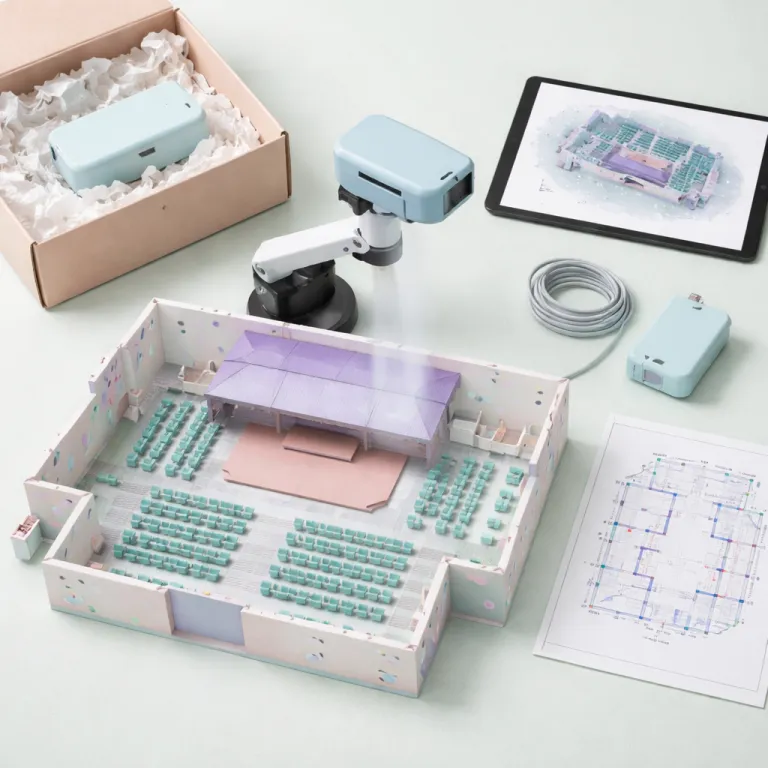
From flat floor plans to spatial intelligence in event technology hotels
Freeman’s launch of Blue Echo, an AI powered 3D visualisation platform announced in early 2024, is a clear signal that event technology in hotels has entered a new phase. For event planners used to static PDFs, a fully navigable digital twin of a hotel venue or convention centre radically changes event planning, sales conversations and venue management workflows. In MICE segments of the hospitality industry, where group business and high value congresses drive margins, this shift in technology is not cosmetic; it is structural.
Classic floor plan PDFs still have a role in event management, but they do not show sightlines, ceiling rigging points, column impact or real time attendee flows in a way that supports data driven decision making. A 3D scan of hotel venues or large resorts creates a persistent spatial asset that sales and event planners can reuse across events, testing layouts, sponsorship placements and hybrid broadcast positions without time consuming on site visits. For hotel management teams under pressure to streamline operations, these tools improve coordination between sales, banqueting, AV and security équipes, because everyone finally works from the same spatial truth.
In practice, this new generation of management technology sits on top of existing systems rather than replacing them, which matters for hotels and resorts with complex operations. Blue Echo and similar event technology platforms ingest CAD files, room specifications and event planning rules, then layer AI on top to simulate guest experiences and traffic peaks across venues. For MICE focused hotels, the question is no longer whether event technology in hotels will adopt 3D; it is how fast they can align planning tools, group sales strategies and event management processes around a single digital twin of every major hotel venue they sell.
Capex, scanning logistics and integration with group sales platforms
The capital expenditure question is now front of mind for every innovation lead in event technology hotels that compete with convention centres. Commissioning a full 3D scan of a 20 000 to 50 000 square foot ballroom complex typically runs from the low tens of thousands of euros to the mid five figure range, depending on ceiling height, backstage corridors and the number of adjacent venues included. For hotels and resorts that rely on large group business, that cost must be weighed against the lifetime value of recurring congresses and the efficiency gains in venue management and operations.
Once captured, the scan becomes a long lived asset that can plug into sales and catering systems, event management software and proposal tools. The most advanced management software stacks already allow digital proposals that embed interactive 3D walkthroughs, letting event planners test setups in real time and export layouts directly into operational tools. In that model, the spatial data usually sits with the technology providers under a licence, while hotel management negotiates usage rights, renewal cadence and API access so that group sales teams can keep using the asset across hundreds of bookings.
Integration depth is where event technology hotels will either streamline operations or create new silos that are just as time consuming as the old ones. When 3D twins are connected to venue management modules, planners can see live availability, capacity under different distancing rules and the impact of hybrid infrastructure on room splits across hotel venues. For the hospitality industry, where 43 % of planners report higher tech needs and 76 % of event planners say they are satisfied with hotels according to the International Luxury Hotel Association 2023 meetings and events executive summary, the next competitive edge will come from tools that are not only high tech but also tightly wired into day to day business operations.
The RFP battleground and the strategic window for event technology hotels
The most brutal test of this shift comes during a high value RFP, when a corporate group asks for a pre event walkthrough of shortlisted venues. If your hotel can only send a PDF while a competing convention centre shares a fully navigable digital twin, the technology event advantage is obvious to any planners comparing guest experiences, signage options and sponsorship sightlines. With 51 % of planners exploring specialty or non traditional venues, up from 33 % according to a 2023 Lakeview Resort internal meetings survey used here as an anonymised case study, hotels that lag on spatial technology risk losing group sales to more agile venues.
Hybrid infrastructure now represents around 12 % of event technology budgets, and 3D twins help justify that spend by showing exactly how cameras, LED walls and VR setups will coexist with physical seating. Hotels and resorts that use these tools streamline the design of attendee journeys, from registration to F&B to breakout rooms, reducing on site friction and last minute changes that are both costly and time consuming for operations équipes. For event technology hotels, the ability to run layout A/B tests months ahead, simulate queues and optimise signage is no longer a nice to have; it is a core part of data driven decision making.
Strategically, there is likely a two to three year window where early adopting hotel venues can turn 3D capability into a clear differentiator before it becomes commoditised. During that period, business leaders in the hospitality industry should prioritise scanning their flagship hotel venue complexes, training event planners to use the tools, and aligning event planning narratives around spatial intelligence rather than just square metres. Instead of relying on a single illustrative ROI, hotel management can build a simple methodology: estimate the average revenue of a target recurring congress, model a conservative uplift in conversion rate from enhanced visualisation, and compare that incremental revenue with the one off scan cost and the value of reduced pre event site visits.
Key statistics for event technology in hotels
- 43 % of planners report higher technology needs from hotels, signalling growing pressure on event technology hotels to upgrade systems and tools (International Luxury Hotel Association, 2023 meetings and events report, public executive summary and survey highlights).
- 76 % of event planners say they are satisfied with hotels, but that satisfaction is increasingly tied to management technology, hybrid capabilities and real time support (International Luxury Hotel Association, 2023 meetings and events report, public executive summary and survey highlights).
- Hybrid infrastructure accounts for around 12 % of event technology budgets, underlining the need for data driven decision making on AV, connectivity and platforms (Verbit, 2022 meetings and events industry analysis, publicly available sector report).
- 51 % of planners explored specialty or non traditional venues, up from 33 %, intensifying competition for hotel venues and resorts that rely on group business (Lakeview Resort internal meetings survey, 2023, proprietary data cited as an illustrative case study).
Frequently asked questions about event technology hotels
What technologies are hotels using for events?
Hotels focused on MICE business are deploying LED displays, VR setups and mobile event apps as standard elements of their event technology stack. These systems support hybrid formats, richer guest experiences and more flexible event planning across different venues. In many event technology hotels, these tools integrate with event management platforms and venue management modules to streamline operations from sales to on site delivery.
How do hotels support hybrid events?
To support hybrid events, hotels invest in high bandwidth internet, integrated AV systems and platforms that can handle both in person and remote audiences. Many hotel venues now design rooms with fixed camera positions, acoustic treatments and power distribution that anticipate streaming needs rather than treating them as add ons. This infrastructure allows event planners to run complex technology event formats while keeping operations reliable and predictable for hotel management.
Why is technology important in hotel events?
Technology is central to hotel events because it enhances engagement, reduces friction and enables data driven decision making for both planners and hotel teams. When event technology hotels use management software, digital proposals and real time analytics, they can optimise layouts, staffing and F&B with far less guesswork. As a result, events become less time consuming to execute, guest experiences improve and group sales pipelines become easier to forecast.
How should planners evaluate a hotel’s tech capabilities?
Event planners should verify a hotel’s tech capabilities by checking Wi Fi bandwidth, the resilience of AV systems and the availability of on site technical support. For complex events, it is essential to understand which management technology and tools streamline coordination between sales, banqueting and operations. Asking for a live demo of any 3D visualisation, event management software or mobile app integration helps planners see whether the hotel venue can truly support their event planning needs and decide whether to request a demo or a tailored proposal.
What role do AR and VR play in hotel event planning?
AR and VR are emerging as powerful tools in event technology hotels, especially for pre event visualisation and remote walkthroughs. Hotels and resorts that adopt AR or VR can show different room setups, signage concepts and sponsor activations without physically rebuilding spaces, saving both time and labour. For event planners managing multiple events across global venues, these immersive tools streamline planning, reduce site visits and support more confident, data driven decisions about bookings and layouts.
Sources
- BizBash – coverage of Freeman’s Blue Echo launch and new event tools (2024, publicly reported product announcement and interviews with Freeman executives).
- International Luxury Hotel Association – research on high tech hotels and meeting planner needs (2023 meetings and events report, public executive summary and survey highlights on planner satisfaction and technology expectations).
- Verbit – data on hybrid event infrastructure budgets in the meetings and events sector (2022 industry analysis, publicly available report on meetings and events technology spending).
- Lakeview Resort – internal meetings survey on specialty and non traditional venues (2023, proprietary research used here as an anonymised illustrative case study for planner behaviour).