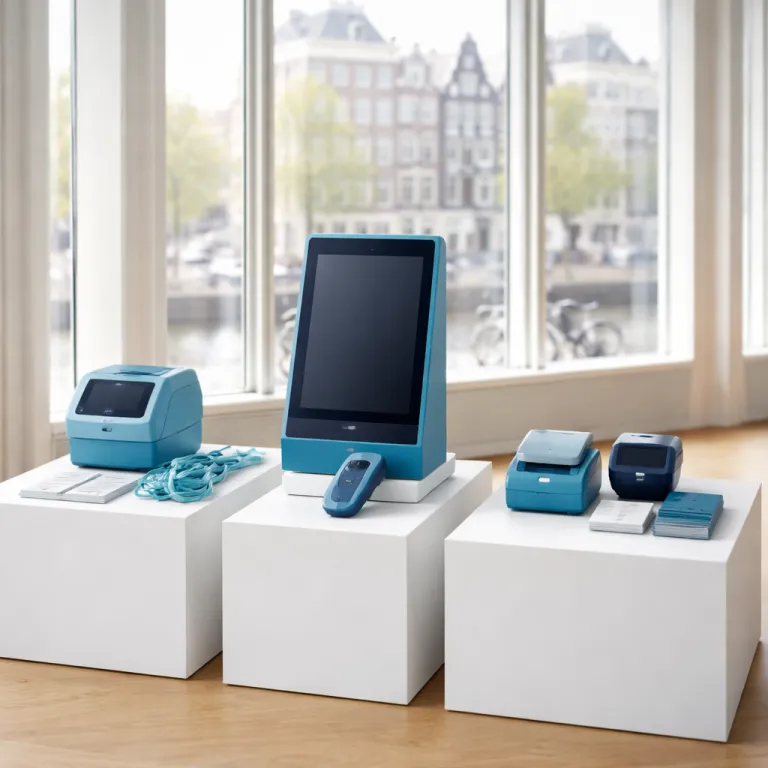
Event technology in hotels moves from buzzword to budget line
At Hotel Tech Conference in Amsterdam, event technology in hotels is no longer a side demo for curious planners. Commercial directors from global hotels, resorts and convention venues arrive with clear mandates on event management, group sales and hybrid operations, and they are benchmarking tools against hard revenue targets. For MICE leaders juggling limited time and rising expectations from event planners and attendees, the priority is simple: invest only in technology that shortens the sales cycle, protects margins and elevates the guest experience in measurable, reportable ways.
Across the hospitality industry, three categories now dominate serious conversations between hotel management and technology providers. First are AI-driven group forecasting engines that plug into existing management software and venue management stacks to give real-time demand curves for every hotel venue and meeting space. Second are integrated event sales CRMs that finally align event planning, event management and hotel operations data, while the third pillar is hybrid engagement platforms that turn hotel venues into always-on content studios for business events and media MICE formats.
Vendors on the Amsterdam floor repeatedly cite the same macro shift in hotel events and technology event strategies. Hybrid events, once a crisis workaround, now sit at the centre of long-term group business planning for hotels, resorts and urban convention properties. As one expert summary from the conference knowledge hub states verbatim: “What is a hybrid event? An event combining in-person and virtual elements.” Organisers referenced published outlooks from firms such as AMEX GBT Meetings & Events and MPI, which both document the structural shift toward blended meetings in hotel venues. A senior buyer from a European convention hotel summed it up in one panel: “Hybrid is no longer a side project; it is how we future-proof our group business.”
What buyers are actually signing for ; forecasting, CRMs and hybrid engagement
For event planners managing complex group business into large hotels and resorts, AI forecasting is moving from curiosity to contract. The most credible management technology products ingest years of group sales and event management data from PMS, S&C and revenue systems, then surface data-driven patterns on lead time, pickup and wash for each venue and segment. Typical models use supervised learning on at least three years of historical bookings and are back-tested against out-of-sample periods to validate forecast accuracy. When these tools work, they streamline operations by giving hotel sales teams confidence to accept or decline tentative events without endless internal meetings, as illustrated by one Amsterdam case study where response time for group RFPs fell by 40 % after deployment at a 600-room convention hotel using a commercial engine from a global revenue management vendor in late 2023, according to internal benchmarking shared under Chatham House Rule.
Integrated CRMs for event technology in hotels are the second category where commercial directors are writing cheques. Here, the benchmark is whether the platform can handle digital proposals, contracting and post-event reporting in one workflow that sales, operations and event planners can all read in real time. Systems that still require manual re-entry between the hotel venue CRM, the event management software and the finance back office are being quietly dropped from shortlists, no matter how industry leading their marketing language may sound, and buyers increasingly ask for references from brands such as Hilton, Marriott or Accor to validate performance claims. Case studies shared in Amsterdam, including one from a Marriott conference property that migrated to a single event sales CRM in 2022, reported double-digit reductions in proposal turnaround time after consolidating fragmented tools into a unified platform; as one regional director of sales noted in a breakout session, “We finally see the same version of the truth from first RFP to final invoice.”
Hybrid engagement platforms form the third pillar, especially for hotels venues that host media MICE, association congresses and corporate roadshows. The winning technology combines reliable AV tools, high-speed connectivity and audience engagement features so that attendees on site and online share a coherent guest experience. Properties from Hilton convention hotels to independent city venues are now designing spaces where a technology event can flip between in-person, virtual and blended formats without compromising guest experiences or disrupting core hospitality operations, with several Amsterdam speakers citing utilisation gains of 10–15 % for upgraded hybrid-ready ballrooms based on internal benchmarking and post-event utilisation reports from 2021–2023. One operations manager from a large resort summarised the impact succinctly: “Once we wired the ballroom properly, we stopped saying no to complex hybrid briefs.”
Noise, red flags and a practical checklist for venue decision makers
On the demo floor, not every event technology pitch for hotels survives a planner-level interrogation. Many booths showcase rebranded stacks from previous cycles, with “AI” added to slide decks but no clear explanation of how management software models are retrained or how forecast accuracy is governed by service level agreements. For hotel management and venue management leaders, a basic red flag is any technology event vendor unable to show data-driven results on group sales conversion, response time or guest experience scores from comparable hotels and resorts, ideally supported by named properties, time frames and baseline metrics drawn from conference case studies or recognised meetings industry research.
RFP response automation illustrates the nuance: it already works well for transient and small meetings, but still struggles with complex group blocks that mix multiple hotels venues, breakouts and layered F&B minimums. Event planners and hotel sales teams report that templates can accelerate digital proposals for standard packages, yet they still revert to manual event planning for high-value media MICE or congress business where customer expectations are highly customised. The operational sweet spot lies in tools that streamline operations for repeatable events while leaving expert humans in control of pricing, risk and final guest experiences, with clear audit trails so revenue leaders can review how automated recommendations compare with actual outcomes. As one corporate meetings buyer put it during a Q&A, “Automation should handle the routine, not the relationships.”
For technology leaders in the hospitality industry, the vendor checklist now starts with integration depth into existing PMS, S&C and event management platforms, then moves to security, support and total cost over the contract term. Buyers should ask how the management technology handles real-time updates when attendee numbers shift, how quickly the hotel venue team can adjust room sets and AV, and whether the tools help both event planners and on-property teams to protect the overall guest experience. In a market crowded with industry leading claims, the only reliable filter is whether the technology helps hotels, resorts and venues run better events, close better business and serve every customer with fewer errors and clearer data, supported wherever possible by independently verifiable case studies, internal performance dashboards or conference research summaries that specify methodology and sample size.
Key statistics on event technology in hotels
- 95 % of organizations expect to increase AI adoption in event planning, underlining the strategic role of management technology in hotels and venues, according to aggregated findings shared at Hotel Tech Conference in Amsterdam and consistent with recent surveys from major meetings industry research providers such as AMEX GBT Meetings & Events 2024 Global Meetings and Events Forecast and MPI Meetings Outlook reports.
- AI, tech and hybrid infrastructure now consume 12 % of a typical event budget, up from 7 % only a few years earlier for comparable events, based on benchmark data from leading global meeting planners and internal cost breakdowns discussed in conference education sessions and echoed in Cvent and AMEX GBT client spend analyses presented between 2022 and 2024.
- 72 % of planners now view AI as essential to improving attendee outcomes and the overall guest experience in business events hosted in hotels, mirroring trends reported in annual MICE outlook surveys from international associations and large travel management companies, including MPI, SITE and GBTA research published over the last three years.
- 51 % of planners are exploring non traditional venues, pushing hotels venues and resorts to upgrade event technology and hybrid capabilities to remain competitive in the wider events marketplace, a pattern reinforced by venue sourcing reports presented in Amsterdam and by recent data from global RFP platforms and destination marketing organisations.
Frequently asked questions about event technology in hotels
What is a hybrid event in the context of hotels ?
A hybrid event in hotels combines in person attendees on site at a hotel venue with virtual participants connected through a digital platform. This format relies on robust event technology, including AV tools, streaming infrastructure and engagement features that keep both audiences aligned in real time. For hotel management and event planners, hybrid events extend reach while preserving the core hospitality experience, and recent conference case studies show that well executed formats can match or exceed satisfaction scores from purely in person meetings when measured through post event surveys and net promoter scores.
Why are hotels adopting more event technology for MICE business ?
Hotels are adopting advanced technology because event planners and corporate customers now expect seamless digital workflows from RFP to post event reporting. Event technology in hotels helps streamline operations, support data driven group sales decisions and enhance guest experiences for both physical and virtual attendees. In a competitive hospitality industry, properties that invest in management software and venue management tools are better positioned to win high value events, as reflected in the performance benchmarks and adoption curves discussed at Hotel Tech Conference in Amsterdam and in recurring MICE trend reports from major meetings industry analysts.
Which technologies are most used in hotel events today ?
The most common technologies in hotel events include integrated AV systems, high speed connectivity, event management platforms and hybrid engagement tools. Many hotels resorts also deploy event apps for attendees, along with AI assisted forecasting and CRM systems for group sales and event management. Together, these tools allow hotel management to coordinate operations, improve the guest experience and support complex business events across multiple venues, while generating the granular data that revenue leaders and owners increasingly expect for forecasting, budgeting and long term capital planning.
How should a hotel evaluate new event technology vendors ?
Hotels should start by checking integration depth with existing PMS, S&C and management software, then review security, support and contractual service levels. Decision makers in venue management and sales should request data driven case studies showing real time performance on response speed, conversion and guest satisfaction for similar hotels venues. Any vendor unable to explain how their tools improve operations, event planning workflows and customer outcomes in measurable terms should be treated with caution, especially if they cannot provide references, implementation timelines or independent validation of their claims from recognised meetings industry bodies.
What are the main benefits of event technology for hotel operations ?
Effective event technology in hotels reduces manual work for sales and operations teams, accelerates digital proposals and improves coordination on the day of the event. By centralising data on attendees, group patterns and guest experiences, management technology supports smarter pricing, better staffing and more resilient business strategies. Over time, hotels and resorts that align event management tools with core hospitality operations see stronger group sales performance and more loyal customer relationships, a trend echoed in recurring case studies, internal owner reports and benchmarking studies across the MICE sector.