Why white wine cocktails matter for modern MICE hospitality
For Média MICE strategists, white wine cocktails are no longer a marginal trend but a precise lever to refine guest experience. When bartenders treat each wine, each white wine, and each cocktail as a storytelling tool, receptions gain a clear identity that resonates with demanding B2B audiences. This approach turns a simple welcome drink into a curated moment that supports the event narrative and commercial objectives.
White wine cocktails are mixed drinks using white wine as a base. In Média MICE environments, this definition translates into operational guidelines for hotel teams, from selecting the right wines to calibrating simple syrup, lemon juice, and sparkling water for consistent batches. Event organizers appreciate that such a simple framework still allows strong creativity, especially when integrating regional sparkling wine or local fruit juice to highlight the destination.
Global white wine production currently reaches around 100 million hectoliters, and approximately 35 % of wine consumers show interest in cocktails. For MICE planners, this data justifies allocating bar budget to wine cocktail programs rather than defaulting to standard red wine and beer. It also encourages closer collaboration with wine producers who can supply sauvignon blanc or sparkling wine tailored to large format wine cocktails and low alcohol service expectations.
Historically rooted in European aperitif culture, white wine cocktails now appear in congress centers, incentive resorts, and media driven roadshows worldwide. Bars and restaurants, wine producers, and event organizers act as partners, aligning on recipe design, garnish standards, and glassware to ensure that every glass served over ice feels both fresh and premium. This shared ecosystem is redefining how Média MICE hospitality stages networking moments around the bar.
Designing white wine cocktail menus for large scale events
Building a white wine cocktail menu for a 500 person congress reception requires more than a fashionable wine spritzer or a single wine sangria. Planners must balance simple production with sensory diversity, combining a crisp sauvignon blanc spritz, a low alcohol sparkling wine option, and at least one fruit forward wine cocktail with orange juice or berry juice. This structure allows guests to move from light aperitif style drinks to more indulgent signatures without overcomplicating bar operations.
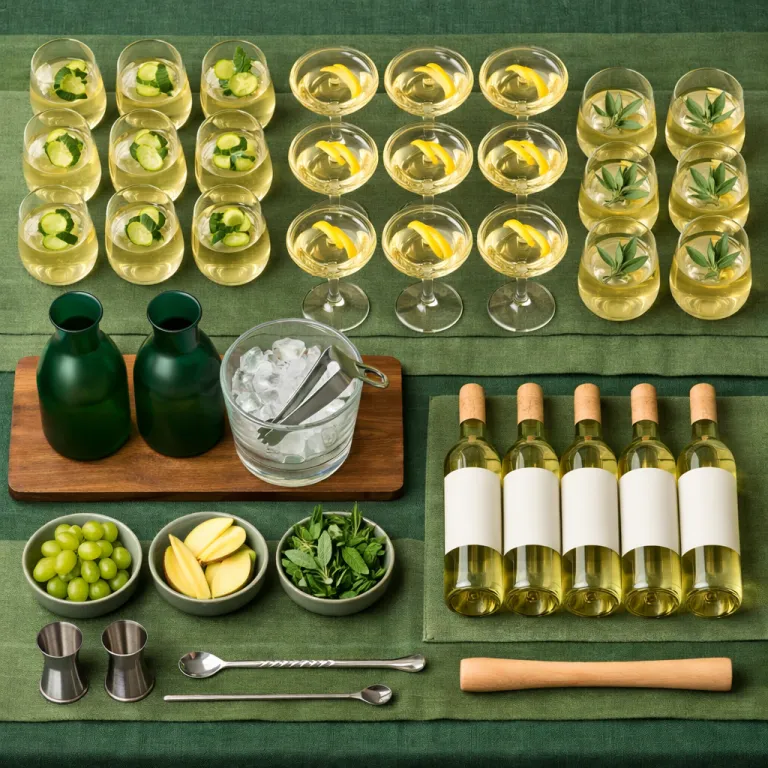
For high volume service, batching is essential, especially when using simple syrup, lemon juice, and soda water in consistent ratios. A classic template might combine chilled white wine, sparkling water, and a touch of ginger infused syrup, finished with thinly sliced citrus as a garnish lemon. Such a recipe remains refreshing, visually appealing in every glass, and easy for bartenders to reproduce across multiple bars or satellite stations.
Menu engineering should also consider red and white contrasts, using a pinot noir based red wine spritz alongside a white wine spritzer to satisfy guests who prefer deeper flavors. When planners integrate creme cassis into a sparkling wine base, they create a bridge between red berry notes and the brightness of white wine. This duality encourages guests to compare wine cocktails, extending dwell time at the bar and stimulating conversation.
Finally, Média MICE professionals should align menu design with brand storytelling and sponsor expectations. A tech client might request a minimalistic, simple white wine spritz with clean garnish, while a tourism board could favor a colorful wine sangria rich in local fruit and lemon lime accents. In both cases, the curated cup in each guest’s hand becomes a subtle but powerful communication channel.
Operational excellence at the bar for Média MICE programs
Translating a white wine cocktail concept into flawless service during a high pressure gala demands rigorous mise en place. Bartenders, as creators, must pre chill wines, prepare simple syrup, and cut thinly sliced citrus garnish well before doors open, ensuring every glass reaches guests at the correct temperature. Measuring jiggers, mixing spoons, and standardized cup sizes help maintain consistency across hundreds of drinks.
Ice management is critical, because diluted white wine cocktails quickly lose their fresh character and perceived value. Bars should allocate dedicated ice wells for white wine service, separate from red wine or spirits, to avoid flavor contamination and service delays. When sparkling water, soda water, or club soda are part of the recipe, staff must top each cocktail à la minute to preserve carbonation and keep the drink refreshing.
Training sessions before major Média MICE events should walk teams through each wine cocktail and its wine garnish. For example, a white wine spritz with lemon lime and ginger syrup might require a specific garnish lemon placement on the rim of the glass. A contrasting red wine sangria using pinot noir, orange juice, and seasonal juice cubes will need a different garnish strategy to remain visually coherent.
Partnerships with wine producers and local bars can further elevate operational standards. Some wineries now offer sparkling wine or sauvignon blanc specifically profiled for wine cocktails, with balanced acidity that pairs well with sugar, simple syrup, and citrus. When event organizers integrate these tailored wines into their Média MICE programs, they reduce trial and error while enhancing guest satisfaction and bar efficiency.
Crafting sensory journeys with white wine cocktails for delegates
For event organizers, white wine cocktails provide a structured way to guide delegates through a sensory journey aligned with the meeting agenda. A welcome white wine spritz with sparkling water, subtle lemon juice, and a light garnish lemon sets a bright, refreshing tone for networking. Later, a more complex wine cocktail with creme cassis, sparkling wine, and berry juice can accompany a media presentation or awards ceremony.
Texture and temperature play a decisive role in delegate perception. Served over abundant ice in a stemmed glass or sturdy cup, a simple white wine spritz with soda water and lemon lime feels light enough for daytime sessions. In contrast, an evening wine sangria that blends red wine, pinot noir, orange juice, and thinly sliced fruit offers a richer mouthfeel while still staying below typical spirit based cocktail strength.
Regional storytelling can be woven into each recipe, especially for destination marketing events. A coastal venue might highlight local sauvignon blanc with a hint of ginger syrup and citrus garnish, while a mountain resort could feature organic sparkling wine and alpine herb infusions. In both cases, the curated wine garnish and the color contrast between white and red elements in the glass support the venue’s visual identity.
To deepen engagement, some Média MICE planners integrate short cocktail moments into their program design. A guided tasting of three wine cocktails – one white wine spritz, one wine spritzer with club soda, and one red wine based cocktail – can serve as an informal breakout session. For inspiration on how such curated experiences fit into broader itineraries, planners can review a strategic city break for media driven events in Tokyo at this detailed MICE planning guide.
Aligning white wine cocktails with sustainability and wellness trends
Média MICE stakeholders increasingly expect beverage programs to reflect sustainability and wellness priorities. White wine cocktails respond well to this shift, especially when built around organic wines, seasonal juice, and reduced sugar content. Low alcohol wine spritzer formats using sparkling water or soda water allow delegates to enjoy a refreshing drink without compromising focus during dense conference schedules.
Using exotic fruits in cocktails, low-alcohol white wine cocktails, and sustainable and organic white wines is becoming more common. For example, a simple white wine spritz with passion fruit juice, lemon lime, and minimal simple syrup can replace heavier spirit based options at welcome receptions. Garnishes such as thinly sliced citrus or edible flowers reduce waste compared with elaborate plastic decorations, while still providing a striking wine garnish on each glass.
Water management is another operational consideration, particularly in destinations facing resource constraints. By favoring sparkling water and club soda from large format systems instead of individual bottles, venues can lower packaging waste and logistics complexity. At the same time, these mixers help extend white wine volume, enabling planners to serve more wine cocktails without increasing overall alcohol units per guest.
Wellness oriented delegates often appreciate clear labeling of ingredients and alcohol levels on bar menus. Indicating that a wine cocktail uses sauvignon blanc, sparkling wine, lemon juice, and a measured amount of sugar or simple syrup builds trust and supports informed choices. This transparency reinforces the venue’s positioning as a responsible Média MICE partner, aligning beverage service with broader ESG commitments.
Leveraging data and partnerships to future proof Média MICE beverage strategies
As white wine cocktails gain prominence, Média MICE professionals should treat them as measurable assets rather than decorative extras. Tracking bar KPIs such as uptake of white wine versus red wine, preference for wine spritzer formats, and demand for sparkling wine based cocktails helps refine future menus. Over time, this data reveals whether delegates favor citrus forward recipe profiles with lemon juice and ginger or fruit heavy wine sangria with orange juice and berry juice.
Collaboration with bartenders and wine producers is central to this iterative process. Bartenders develop and serve white wine cocktails. Wine producers provide various white wines for cocktails. Consumers enjoy and popularize white wine cocktails. These aligned roles allow hotels, congress centers, and destinations to co create signature wine cocktails that can be replicated across recurring events and media activations.
Global production figures and consumer interest levels also guide strategic decisions for large portfolios. With global white wine output around 100 million hectoliters and more than one third of wine drinkers open to cocktail formats, there is ample room to expand white wine based offerings. Destinations that integrate sauvignon blanc, sparkling wine, and even pinot noir into cohesive wine cocktail families can differentiate their Média MICE positioning.
Looking ahead, planners should monitor emerging trends such as alcohol free wine alternatives, innovative garnish techniques, and data driven personalization at the bar. Whether serving a classic white wine spritzer with sparkling water and garnish lemon or a modern red wine sangria with pinot noir and thinly sliced fruit, the objective remains the same. White wine cocktails are mixed drinks using white wine as a base.
Key statistics shaping white wine cocktails in Média MICE
- Global white wine production is estimated at approximately 100 million hectoliters, providing a substantial base for event focused white wine cocktails.
- Around 35 % of wine consumers express interest in cocktails, indicating strong potential for white wine cocktail programs at corporate and congress events.
- White wine cocktails are increasingly used to expand beverage options, attract new consumers, and showcase white wine’s adaptability in MICE contexts.
Questions event planners often ask about white wine cocktails
What are popular white wine cocktails for business events ?
Spritzers, sangrias, and Bellinis. For Média MICE, these formats can be adapted with regional white wine, sparkling wine, and seasonal garnish to align with destination branding. Their relatively low alcohol content and refreshing profile make them suitable for long networking sessions.
Which white wines are best for cocktails in a MICE setting ?
Which white wines are best for cocktails? Sauvignon Blanc, Pinot Grigio, and Riesling. In practice, sauvignon blanc offers bright acidity for simple spritzes, while aromatic varieties pair well with simple syrup, citrus, and exotic juice in more elaborate wine cocktails.
Are white wine cocktails suitable for all seasons in Média MICE ?
Are white wine cocktails suitable for all seasons? Yes, with variations for each season. Light wine spritzer and sparkling water based serves work for summer incentives, while spiced white wine or red wine blends and richer wine sangria styles suit winter congresses.
How can venues integrate white wine cocktails into existing bar operations ?
Venues can start with one or two scalable recipe templates using white wine, sparkling water, and a controlled amount of sugar or simple syrup. Standardizing garnish lemon, cup size, and ice levels ensures consistent quality, while data on guest choices informs future menu adjustments.
Do white wine cocktails work for media driven tastings and VIP lounges ?
Yes, because they offer a visually appealing, camera friendly glass with clear color contrasts between white and red elements. By tailoring wine garnish, ginger notes, and lemon lime accents, planners can create signature wine cocktails that photograph well and support brand storytelling in VIP and press areas.
References
- International Organisation of Vine and Wine (OIV)
- Wine Market Council
- United Nations World Tourism Organization (UNWTO)