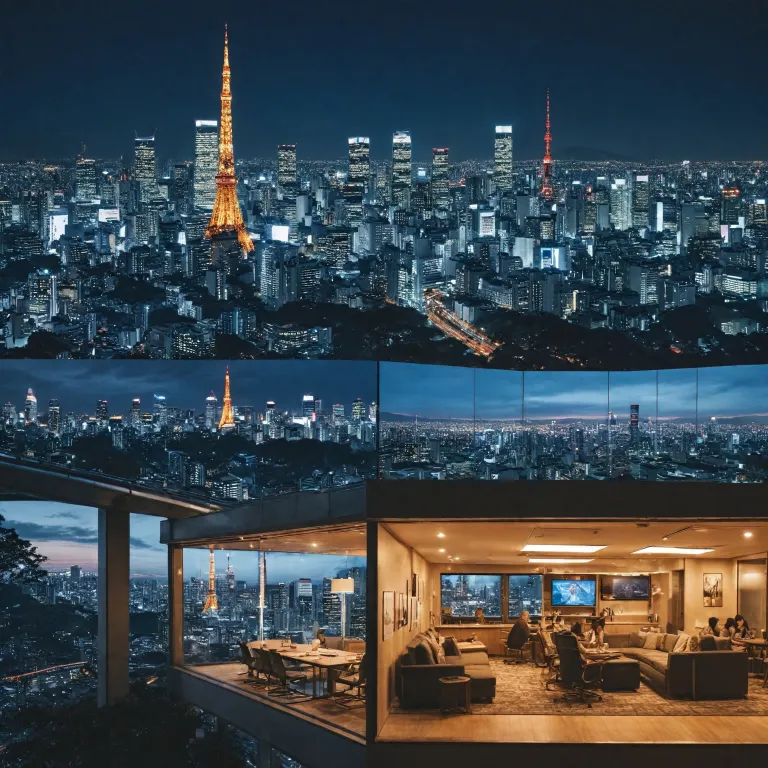
Designing a three days in Tokyo blueprint for media MICE strategies
Planning 3 days in Tokyo as a media focused MICE program demands a precise itinerary that balances content creation, client hospitality, and operational feasibility. In this city, every day becomes a live studio where japanese culture, urban energy, and hospitality infrastructure intersect for high impact storytelling. For organisers, these three days in Tokyo can test venue agility, media readiness, and the ability of partners to support demanding B2B expectations.
Tokyo offers a dense cluster of districts where each day itinerary can be themed around narrative arcs that resonate with corporate messages. Asakusa and its Senso-ji Temple, with the iconic Kaminarimon Gate and the bustling Nakamise shopping street, provide a traditional japanese backdrop that contrasts powerfully with the digital screens of Shibuya Crossing later in the same day. This contrast allows media MICE planners to stage content that moves from heritage to innovation within a single day Tokyo schedule.
For hospitality sales teams, a carefully structured three days in Tokyo stay becomes a live demonstration of how the destination handles time sensitive media activations. The first day can focus on heritage, starting in Asakusa near the shrine and temple complex, then moving towards Ueno Park and its museum cluster to stage thought leadership sessions. In this framework, the city itself becomes a co producer, and every station, street, and park is evaluated for logistics, lighting, and audience flow.
Media driven MICE strategies in Japan increasingly rely on compact, high density programs that still feel human centric and not rushed. When you design a 3 days in Tokyo itinerary, keep mind that delegates need both structured content and unprogrammed time for networking, filming, and social media. The challenge is to choreograph each day so that the best angles, observation deck views, and traditional japanese experiences are available at the right time of light and crowd levels.
Leveraging heritage districts for immersive media friendly programming
Asakusa is a natural anchor for the first day itinerary in any media oriented 3 days in Tokyo program. The approach to Senso-ji Temple through the Nakamise shopping street offers layered visuals, from lanterns and incense to street food stands that speak directly to japanese cultural identity. For MICE organisers, this area allows small film crews, influencer teams, and B2B guests to capture authentic content without leaving the city centre.
Within walking distance, the shrine precincts and surrounding alleys can host micro activations, from product teasers to executive interviews framed by traditional japanese architecture. A well timed visit to Senso-ji Temple early in the day Tokyo schedule avoids the heaviest crowds and preserves clean soundscapes for video. This is where media MICE planners can test how venues and local partners handle permissions, crowd control, and multilingual signage.
From Asakusa, a short transfer brings groups to Ueno station and the adjacent Ueno Park, which is ideal for open air networking and content capture. The park’s museum institutions provide indoor back up options, ensuring that your three days in Tokyo remain resilient to weather changes. For RFP processes and destination comparisons, this combination of shrine, park, and museum within a single day strengthens Tokyo’s positioning against other asian cities.
Event agencies working on complex media deliverables should align their 3 days in Tokyo planning with clear hospitality KPIs and content milestones. Resources on mastering the event management RFP process can help structure expectations around venue responsiveness, AV capabilities, and licensing for filming. When you stay Tokyo with media crews, every minute of time on site has a cost, so the itinerary must integrate transport buffers between Ueno Park, Asakusa, and other districts.
Connecting Harajuku, Meiji Shrine, and Shibuya for narrative rich city experiences
The second day of a 3 days in Tokyo program can be dedicated to youth culture, spirituality, and urban spectacle, all within a compact radius. Starting at Meiji Shrine, accessed via Harajuku station, planners can stage quiet leadership sessions framed by towering trees and traditional japanese torii gates. This shrine environment offers a reflective counterpoint to the intense city visuals that will follow later in Shibuya.
Adjacent Yoyogi Park is a strategic asset for media MICE, providing open lawns and shaded paths suitable for informal networking, wellness breaks, or outdoor interviews. When designing your day itinerary, keep mind the walking distances between Meiji Shrine, Yoyogi Park, and Harajuku’s shopping street, which is lined with fashion boutiques and cafés that appeal to incentive groups. These streets allow planners to integrate lifestyle content into the broader tokyo itinerary without long transfers.
By late afternoon, the program can shift towards Shibuya, where Shibuya Crossing and the surrounding streets become a live canvas for urban storytelling. Here, the city’s LED screens, elevated walkways, and proximity to Shibuya station make it easy to coordinate timed media moments and group movements. For three days in Tokyo focused on media, this district demonstrates how Japan blends crowd density with precise transport operations.
Hospitality sales teams can use this second day Tokyo schedule to showcase hotels with direct access to Shibuya and Harajuku, underlining the importance of walkable connections. When you stay Tokyo for only three days, proximity to Meiji Shrine, Yoyogi Park, and key train lines becomes a decisive factor in venue selection. This is also the ideal time to evaluate how properties support late night transfers to areas like golden gai, while still respecting corporate duty of care policies.
Integrating culinary storytelling and premium viewpoints into three days in Tokyo
The third day of a 3 days in Tokyo program should foreground culinary narratives and panoramic city views that resonate strongly with media audiences. An early morning visit to the fish market area, such as Tsukiji Outer Market, allows delegates to experience seafood auctions, knife shops, and traditional japanese breakfast counters. This environment is ideal for filming chef interactions and capturing the sensory intensity of Japan’s food culture.
From the market, planners can route groups towards Ginza or nearby business districts for B2B meetings, while still keeping time for flexible filming. Later in the day, a transfer to Tokyo Skytree or another major observation deck offers sweeping views that contextualise the entire three days in Tokyo story. These high altitude shots help media teams illustrate the scale of the city, its rail lines, and the clustering of districts visited earlier.
Some programs may also integrate a stop at Tokyo Tower, which remains a recognisable symbol for international audiences and complements Skytree’s more futuristic profile. When building a tokyo itinerary for media MICE, keep mind the golden hour timing at each observation deck, as light conditions will dramatically influence footage quality. Hospitality partners that can coordinate timed entries, private areas, and fast access from tokyo station or nearby hubs will stand out in RFP evaluations.
Evening programming can pivot towards intimate nightlife districts such as golden gai, where narrow alleys and tiny bars offer strong visual identity. For corporate groups, this final day Tokyo experience must be carefully framed with clear guidelines, transport plans, and cultural briefings. In this way, three days in Tokyo close on a note that combines culinary depth, skyline drama, and human scale encounters.
Aligning Tokyo’s urban icons with MICE brand narratives and media needs
For media oriented MICE planners, the value of 3 days in Tokyo lies in how well the city’s icons can be aligned with brand storytelling. Sites such as the imperial palace grounds, remnants of Edo Castle, and the surrounding parklands offer a dignified setting for leadership messaging. When combined with modern structures like Tokyo Skytree and Tokyo Tower, they allow a narrative arc from heritage to innovation within a single tokyo itinerary.
Corporate groups often respond strongly to carefully curated visits that link the imperial palace area with nearby business districts and tokyo station. This corridor showcases Japan’s administrative history, contemporary finance, and transport efficiency in a compact zone that fits easily into a day itinerary. For media teams, the contrast between stone walls, moats, and glass towers provides versatile backdrops for interviews and product reveals.
Within this framework, parks such as Ueno Park and Yoyogi Park become more than leisure spaces ; they are staging grounds for experiential content. A three days in Tokyo program that alternates between shrine precincts, museum interiors, and open parkland keeps visual variety high while managing delegate fatigue. Hospitality partners that understand these flows can propose stay Tokyo options that minimise transfer time and maximise on site production windows.
Media driven strategies also benefit from districts like Shibuya and Shinjuku, where neon streets and dense crowds communicate the city’s kinetic energy. Resources on media driven MICE strategies across resort portfolios can inspire similar approaches adapted to an urban japanese context. By the end of three days, planners will have tested how well Tokyo’s venues, streets, and stations support both live experiences and post event content needs.
Operational excellence, transport logistics, and risk management for three days in Tokyo
Executing a high performance 3 days in Tokyo program for media MICE requires meticulous attention to transport and risk management. The city’s rail network, anchored by hubs like tokyo station, Shibuya station, and Ueno station, enables fast transfers between districts, but timing remains critical. Planners should encourage delegates to purchase rechargeable IC cards such as Pasmo or Suica to streamline every day Tokyo movement.
When building a detailed tokyo itinerary, keep mind the peak commuting hours, as these can affect camera equipment transport and group cohesion. Walking segments between sites like Meiji Shrine, Yoyogi Park, and Harajuku’s shopping street should be measured in minutes and clearly communicated. Comfortable shoes, layered clothing, and weather aware scheduling are essential for maintaining energy across three days in Tokyo with intensive filming.
Risk management also extends to crowd levels at major attractions such as Senso-ji Temple, Tokyo Skytree, and Shibuya Crossing. Starting days early and pre booking time slots for observation deck access can protect both media schedules and delegate comfort. Hospitality teams that can coordinate early breakfast, staggered departures, and flexible check in policies will significantly enhance the perceived quality of the stay Tokyo experience.
Financial planning must consider the cost of permits, private areas, and potential overtime for crews working late in districts like golden gai. In this context, the best partners are those who understand both japanese cultural norms and international MICE expectations. Over three days, the operational performance of venues, transport providers, and city services becomes a live benchmark for future media MICE investments in Japan.
Media ready hospitality ecosystems and the future of three days in Tokyo programs
As interest in cultural tourism and street food tours grows, Tokyo’s hospitality ecosystem is adapting to more media intensive MICE formats. A 3 days in Tokyo program now often includes structured time at the fish market, curated walks through Asakusa, and premium access to observation deck venues. This evolution reflects the rising use of digital tools for travel planning and real time content distribution.
For destinations and venues, the challenge is to position three days in Tokyo not as a rushed checklist, but as a coherent narrative. Hotels near key stations, parks, and shrine districts must demonstrate how their meeting rooms, rooftops, and lounges can double as filming locations. Over multiple days tokyo programs, this flexibility becomes a decisive factor in winning B2B media events.
Offices de tourisme and convention bureaus can support organisers by providing updated data on visitor flows, museum capacities, and seasonal patterns. According to official figures, Tokyo Skytree reaches 634 meters in height, Senso-ji Temple welcomes around 30 000 000 visitors annually, and Shibuya Crossing sees approximately 2 500 000 pedestrians per day. These statistics help planners calibrate their day itinerary, allocate security resources, and justify venue choices to stakeholders.
Frequently asked questions from international planners often focus on timing, language, and payment methods. “What is the best time to visit Tokyo?”, “Is English widely spoken in Tokyo?”, and “Are credit cards accepted widely in Tokyo?” are recurring concerns that shape program design. By addressing these points clearly, destinations can build trust and position three days in Tokyo as a reliable, media ready choice for high value MICE projects.
Key statistics for media oriented three days in Tokyo programs
- Tokyo Skytree reaches a height of 634 meters, offering extensive observation deck opportunities for skyline filming and VIP events.
- Senso-ji Temple attracts approximately 30 000 000 visitors each year, which requires careful crowd management in any 3 days in Tokyo itinerary.
- Shibuya Crossing sees around 2 500 000 pedestrians per day, making timing crucial for safe and effective media activations.
Essential questions for planning three days in Tokyo
What is the best time to visit Tokyo?
Spring from March to May and autumn from September to November generally offer mild temperatures and attractive cityscapes. For a 3 days in Tokyo program, these seasons provide comfortable conditions for walking between shrine districts, parks, and observation deck venues. They also align well with corporate calendars for incentive trips and product launches.
Is English widely spoken in Tokyo?
English is not universal, but major hotels, museums, and transport hubs usually have english speaking staff or clear signage. For media MICE groups, local guides and bilingual coordinators are recommended to streamline interviews and on site logistics. Many digital tools and navigation apps also support english interfaces, which helps delegates move confidently around the city.
Are credit cards accepted widely in Tokyo?
Credit cards are accepted in most hotels, large restaurants, and retail outlets, especially in central districts like Shibuya and Ginza. However, carrying some cash remains advisable for small eateries, street food vendors, and traditional japanese shops near shrines. MICE planners should brief delegates on this mix to avoid payment friction during the three days in Tokyo.
How should delegates move around during three days in Tokyo?
Public transport is usually the best option, with trains and subways connecting key districts efficiently. Rechargeable IC cards such as Pasmo or Suica simplify every day Tokyo travel and reduce queuing time at ticket machines. For media crews with equipment, planners may combine rail with chartered vehicles for specific segments of the tokyo itinerary.
How can organisers balance content production and delegate experience?
Successful three days in Tokyo programs define clear content priorities for each day while preserving unstructured time. This balance allows media teams to capture essential footage at sites like Meiji Shrine or the fish market without exhausting participants. Regular feedback loops with hospitality partners help fine tune pacing, ensuring that both media outputs and guest satisfaction remain high.