Why hotel meeting rooms must now include wellness by design
Corporate RFPs are quietly rewriting what hotel meeting rooms need to deliver. For MICE‑driven hotels and convention centers, the shift is away from only selling a ballroom or a set of meeting rooms and toward selling a complete delegate experience that actively manages fatigue and cognitive load. For a general manager, that means treating every meeting space, from the grand ballroom to the smallest breakout room, as part of a wellness‑enabled productivity system rather than just rentable square metres.
Across business meetings and large conference events, planners now ask where delegates can decompress between dense sessions. They are no longer satisfied with a generic fitness center buried three floors down from the main meeting event; they want programmable wellness rooms adjacent to core meeting spaces, with controlled lighting, quiet soundscapes and flexible seating that can flip from meditation to small group coaching. When you position your hotel meeting rooms as a network of meeting spaces that includes wellness‑ready rooms, you move from selling static inventory to selling measurable outcomes like higher engagement and longer delegate dwell time.
Industry data from sources such as the Global Wellness Institute and CBRE’s wellness in real estate reports shows that wellness‑focused menus and programming are cited as a top corporate catering and event trend, while corporate wellness budgets are growing at roughly 7–10 % CAGR according to multiple benchmarks between 2019 and 2025. For example, the Global Wellness Institute’s “Global Wellness Economy Monitor 2023” and CBRE’s “Wellness in the Workplace” series both highlight rising spend on employee wellbeing and wellness‑enabled workplaces, which now extends directly into meetings and events. That budget growth is flowing into meetings programs, where planners are willing to pay a premium for meeting rooms and event space that reduce post‑lunch drop‑off and support hybrid meetings without exhausting participants. For hotels that rely on business meetings and conference revenue, ignoring wellness in meeting room design is now a direct risk to group revenue and future room blocks.
Inside a wellness‑ready meeting room inventory
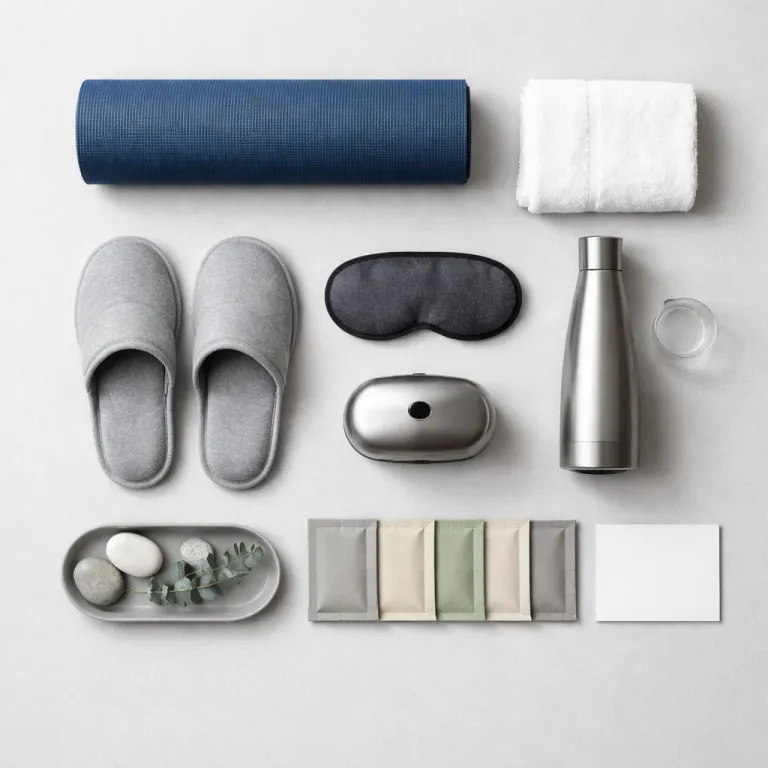
A genuine wellness room inside a hotel is not a rebranded storage space with a yoga mat. It is a purpose‑built meeting space with precise lighting control, curated soundscape options, varied seating from lounge chairs to soft round cushions and HVAC tuning that keeps temperatures stable during high‑occupancy events. When these wellness rooms sit next to core meeting rooms and guest rooms, planners can design a full flow from plenary to breakout to decompression without losing delegates in the corridors.
Design essentials for wellness‑ready hotel meeting rooms fall into three linked elements. Lighting is the first non‑negotiable, because natural light is still the most requested feature in RFPs for hotel meeting rooms; where façade constraints limit daylight in a ballroom or grand ballroom, tunable LED systems that mimic circadian cycles and reduce eye strain during long meetings and conference sessions are now standard in many new‑build venues. Acoustic treatment is the second pillar, blocking theatre‑style noise spill from adjacent meeting spaces so a group can reset between intense business meetings or social events without leaving the controlled event space footprint. The third element is climate and air quality: stable HVAC settings, adequate fresh‑air exchange and discreet air purification help prevent the temperature swings and stuffiness that accelerate delegate fatigue.
Furniture and seating layouts also need to move beyond standard classroom and theatre formats. A wellness room should support loose round seating circles for reflection, semi‑reclined seating for guided relaxation and small tables for quiet work, all within roughly the same average 1 000 sq ft footprint that industry reports such as IACC’s “Meeting Room of the Future” series and STR’s global hotel benchmarking datasets cite for typical meeting rooms. To make this practical for busy teams, many hotels now use a simple layout checklist for each wellness‑ready room: one configuration for decompression, one for quiet work and one for small‑group coaching, each with pre‑defined furniture positions and lighting scenes. When you align this with catering and banquet service — think light, wellness‑focused menus delivered just outside the wellness room instead of inside the main ballroom — you reduce odours and noise while still supporting continuous meetings events and improving the overall hotel folio performance for the group, as analysed in this deep dive on how a hotel folio shapes financial clarity and guest experience in MICE stays.
Three operating models for wellness‑driven meeting spaces
General managers weighing investment in wellness‑oriented meeting rooms usually land on three operating models. The first is a dedicated wellness inventory model, where one or two rooms near the main meeting conference floor are permanently fitted as wellness rooms with specialised seating, sound and lighting, and are sold as part of the core meetings events package. This model works best in large hotels and inclusive resorts with extensive meeting spaces and a high volume of recurring business meetings.
The second model is a convertible breakout approach, where existing meeting rooms can shift between standard classroom or theatre layouts and wellness configurations within a short turnaround. Here, the same room can host a morning meeting event in a traditional conference layout, then open up into a decompression lounge with soft seating and low lighting for afternoon breaks. This model is particularly effective for hotels in dense urban markets such as Washington, where every square metre of meeting space and every set of guest rooms must earn its keep across multiple events and social events.
The third model is a partnership strategy, where the hotel works with a wellness vendor on property to operate wellness rooms as a managed service. Under this approach, the vendor handles programming, staffing and some equipment, while hotel management controls scheduling, event planning integration and pricing within the broader P&L levers that drive group RevPAR, as detailed in this analysis of conference hotel management and the P&L levers that move group revenue. For all three models, the key is to ensure that wellness rooms are bookable in the same systems as other meeting rooms, so planners can plan meetings and allocate room blocks without friction.
Programming, pricing and workflow integration for wellness rooms
Wellness rooms only create value when they are fully integrated into the event planning workflow for meetings and conference programs. In practice, that means your sales and events équipe must be able to add wellness rooms to a proposal, hold them in a block and schedule specific wellness sessions just as they would schedule a breakout in a standard meeting room. When a planner goes to plan a meeting, they should see wellness rooms and other meeting spaces in the same view, with clear time slots and capacities.
Programming typically falls into three categories that can be layered across the day. First, short guided sessions such as breathing exercises, stretching or mindfulness that run between plenary meetings and keep delegates alert for the next meeting event. Second, quiet work or decompression blocks where delegates can use the wellness room as a low‑stimulus meeting space with soft seating and limited devices, which is especially valuable during hybrid meetings when screen fatigue is high.
The third category is curated social events with a wellness angle, such as small‑group coaching circles or reflective discussions that use round seating rather than rigid classroom layouts. Pricing can mix comped access — for example, a basic wellness room allocation included in the main event space rental — with chargeable premium programming delivered by a wellness partner. To keep this transparent, align your contracts and hotel management tools so that wellness rooms, guest rooms, banquet services and other meeting rooms appear clearly in the event folio, and ensure that both online booking and direct contact channels can handle requests to book a room that includes wellness inventory alongside standard meeting conference needs. A simple KPI snapshot for planners and GMs might track three items per event: percentage of delegates using wellness rooms at least once, post‑lunch attendance retention in plenary sessions and average satisfaction score for wellness spaces on the post‑event survey. Many hotels now summarise these metrics in a one‑page dashboard shared with the planner after each event, turning wellness‑room usage into a visible, repeatable performance story rather than an anecdote.
Measuring outcomes and monetising wellness‑oriented meeting rooms
Planners are increasingly explicit about the outcomes they expect from hotel meeting rooms that include wellness features. They want to see higher delegate dwell time in the meeting space, improved post‑event wellness scores and reduced drop‑off in afternoon sessions, especially after heavy banquet or buffet lunches. For a general manager, that means building simple but credible measurement into your meetings events operation rather than relying on vague satisfaction anecdotes.
Start with basic metrics that your hotel management and CRM systems can already capture. Track attendance patterns across meetings and conference sessions, and compare rooms or events that used wellness rooms versus those that did not, focusing on post‑lunch sessions where delegate fatigue is usually highest. Then layer in short post‑event surveys that ask delegates to rate the impact of wellness rooms, natural light access and alternative seating on their ability to focus during business meetings.
On the revenue side, wellness‑enabled meeting spaces can support higher average daily rates for guest rooms tied to room blocks, as well as incremental revenue from wellness programming and upgraded banquet menus. A mid‑scale conference hotel in Western Europe, for example, reported internally that converting an underused meeting room of approximately 900 sq ft into a wellness room increased overall meeting space utilisation, lifted group ADR on associated room blocks and helped win several new corporate accounts that had previously bypassed the venue during their venue find process. While individual results will vary, this type of case study illustrates how a relatively small footprint can unlock measurable gains in utilisation, rate and account acquisition. As one industry FAQ puts it, “Common amenities include Wi‑Fi, projectors, and catering services.”; the hotels that win the next wave of RFPs will be the ones that can add “programmable wellness rooms” to that standard amenity list and prove their impact with data.
From RFP language to on‑property reality in wellness‑driven venues
RFPs now routinely include sections on delegate wellness, and the way your hotel responds can make or break a bid. A generic line about having a fitness center or spa will not satisfy a corporate buyer who is comparing hotel meeting rooms across multiple hotels in Washington, Singapore or regional inclusive resorts. They are looking for specific descriptions of wellness rooms, meeting spaces with natural light, flexible seating formats and how these elements integrate with the main ballroom, grand ballroom and other meeting rooms used for plenary sessions.
Effective RFP language should clearly state how many wellness rooms you offer, their approximate size in square feet or square metres and their proximity to core meeting space. Describe whether these rooms can support classroom, theatre or round seating when needed, and whether they can open directly into pre‑function areas used for banquet breaks or social events. If you operate a partnership model, explain how the wellness vendor coordinates with your hotel management, catering staff and event planners to schedule meetings events and avoid conflicts with other events in the same event space.
On property, the promise in your RFP must translate into a frictionless experience for planners and delegates. That means your sales équipe, catering staff and operations teams need clear playbooks for how to open and reset wellness rooms between meetings, how to handle last‑minute changes when a group wants to extend a wellness session and how to communicate availability in real time. When planners use a venue find platform or ask your sales team to help them learn which rooms have the best natural light or quietest view, your answers should be based on real operational data, not brochure copy, and supported by robust connectivity such as private 5G where appropriate, as explored in this guide to evaluating private 5G network pricing for high‑value MICE venues. A concise RFP snippet you can adapt is: “The hotel provides two dedicated wellness rooms (approx. 1 000 sq ft each) adjacent to the main ballroom, featuring tunable lighting, acoustic treatment and flexible seating for decompression, quiet work or small‑group coaching, available on an exclusive or shared basis as part of the meeting package.”
Key figures on wellness‑driven hotel meeting rooms
- Average hotel meeting room size is around 1 000 sq ft, with an average capacity of 50 people, which means most existing rooms can be converted into wellness rooms without structural changes (source: IACC “Meeting Room of the Future” reports and STR global hotel industry benchmarks).
- Corporate wellness budgets are growing at an estimated 7–10 % compound annual rate, creating new funding streams for wellness‑oriented meeting spaces and programming in hotels and convention centers (source: Global Wellness Institute “Global Wellness Economy Monitor” and global corporate wellness benchmarks).
- Delegate fatigue is consistently identified by planners as the primary cause of post‑lunch session drop‑off, making wellness rooms and natural light access critical design elements for afternoon meetings and conference blocks (source: MICE planner surveys from PCMA, MPI and ICCA).
- Flexible room configurations, including the ability to switch quickly between classroom, theatre and wellness layouts, are cited as a key innovation in hotel meeting rooms and are increasingly requested in RFPs (source: event planning statistics and venue sourcing platform data).
- Hybrid meetings and enhanced sanitation protocols remain standard expectations for business meetings, which means wellness rooms must support both in‑person decompression and technology‑enabled quiet work without compromising cleanliness (source: global meetings industry updates and post‑pandemic venue guidelines).
FAQ about wellness‑oriented hotel meeting rooms
What amenities should a wellness‑ready meeting room include ?
A wellness‑ready meeting room should offer controllable lighting, ideally with access to natural light or tunable LEDs, acoustic treatment for quiet, varied seating from lounge chairs to soft round cushions and stable HVAC settings. It should also provide basic meeting infrastructure such as Wi‑Fi and power outlets so delegates can use the room for quiet work between sessions. Optional enhancements include soundscapes, light snacks and water stations coordinated with banquet and catering teams.
How can planners book wellness rooms alongside standard meeting rooms ?
Planners should be able to book wellness rooms through the same online booking tools and direct contact channels they use for other meeting rooms. In practice, this means the hotel’s sales and events équipe must list wellness rooms as distinct meeting spaces in proposals, contracts and function sheets. During the booking process, planners can then assign specific time slots for wellness programming just as they would for any other meeting event.
Are wellness rooms suitable for large conferences and events ?
Wellness rooms are usually smaller than a ballroom or grand ballroom, but they play a crucial supporting role in large conference events. For big meetings events, several wellness rooms can be positioned near plenary and breakout areas so different groups can rotate through decompression or quiet work sessions. Many hotels also use pre‑function corridors or adjacent rooms as flexible wellness zones during high‑volume events.
What typical amenities are available in standard hotel meeting rooms ?
Standard hotel meeting rooms generally include Wi‑Fi, projectors or large displays, basic sound systems and access to catering services for coffee breaks or banquet‑style meals. As the dataset notes, “Common amenities include Wi‑Fi, projectors, and catering services.”; wellness‑oriented venues build on this baseline by adding programmable lighting, acoustic comfort and flexible seating. These upgrades allow the same rooms to support both traditional business meetings and wellness‑focused sessions.
How do wellness rooms impact overall business productivity for events ?
Wellness rooms help maintain delegate focus, reduce fatigue and support better engagement in later sessions, which directly improves the productivity of business meetings and conferences. When delegates can step into a quiet, well‑designed wellness space between dense agenda blocks, they return to the main meeting space more alert and receptive. Over time, this leads to higher satisfaction scores, stronger post‑event feedback and a greater likelihood that planners will book the same hotel for future events.