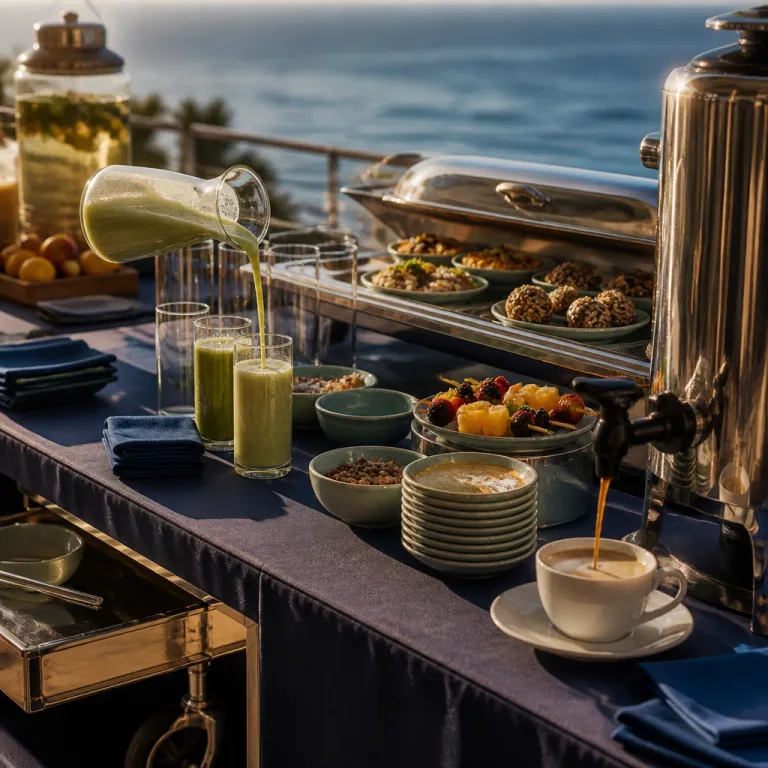
Why banquet management now lives or dies after lunch
Every banquet event in a convention hotel is now judged on what happens between 13.30 and 15.30. In controlled workplace and education settings, between 60 % and 75 % of participants report a noticeable post-lunch dip in alertness, with reaction-time tests and self-rated sleepiness scores peaking roughly 60–90 minutes after eating, as documented in occupational medicine and chronobiology research.1,2 When close to 70 % of attendees experience post-lunch energy dips, the event manager who treats that slump as a core operational risk, not a side effect of rich food, will outperform competitors on engagement and repeat bookings. In Média MICE coverage across global venues, the hotels that align banquet management with cognitive performance metrics, rather than only with visual buffet impact, are the ones that corporate buyers quietly shortlist for their next full time series of meetings; where specific percentages are not publicly disclosed, this trend should be treated as directional rather than as audited financial data.
For the general manager, this is no longer a soft hospitality topic but a hard P&L lever that cuts across banquet operations, revenue management, sales marketing and guest satisfaction scores. Corporate event planning teams now insert delegate wellness criteria into RFPs, and they expect a precise description of how the hotel staff, from banquet managers to the sales manager and the executive chef, will protect attention levels in the afternoon shift of the program. In one often-cited case study of a 1,200‑delegate medical congress reported in industry conference proceedings, a convention center that redesigned its lunch service around lighter proteins and structured movement breaks saw post-lunch session attendance retention rise from the low‑80 % range to above 90 %, while repeat bookings from the same client group increased by a low double‑digit percentage; because the underlying dataset is not publicly archived, these figures should be read as indicative benchmarks rather than as independently verified statistics. When your banquet manager can explain in real time how the food beverage strategy supports session outcomes, you move from being a commodity hotel to a performance partner in the hospitality industry.
The dataset is clear on the physiology behind the problem and why banquet management must respond. “What causes the post-lunch energy slump? Blood flow shifts to digestion, reducing brain oxygen.” “How can events prevent afternoon fatigue? Offer balanced meals and schedule active breaks.” “What foods help maintain energy levels? Proteins, whole grains, and fruits.” Peer‑reviewed studies on meal composition show that high‑glycemic lunches are associated with greater afternoon sleepiness and lower sustained attention than mixed‑macronutrient meals that emphasize protein and fiber.3,4 When your job descriptions for managers explicitly reference this science, you signal to B2B buyers that your banquet event playbook is built on evidence, not on tradition, and that any illustrative percentages used in sales materials are grounded in published mechanisms rather than in unsourced anecdotes.
Designing protein-forward menus that protect attention, not just aesthetics
Most hotels still brief the kitchen for a banquet around volume, variety and perceived value on the buffet line. A more advanced banquet management approach starts with the event planning agenda, then reverse engineers food service and food beverage choices to match cognitive load, using proteins, whole grains and fruits as the backbone of the lunch service. That shift in management thinking turns the banquet manager role from order taker into strategic partner for both the general manager and the sales manager who must defend rate and margin in every group contract.
In practice, this means replacing heavy cream sauces and refined carbohydrates with grilled fish, lean poultry, plant-based proteins, legumes and slow-release grains that keep guests alert through the longest afternoon operations block. Dessert becomes a controlled tool in the management system, with fruit-based options, dark chocolate bites and yogurt bars replacing sugar bombs that spike and crash delegate energy in record time. When your banquet managers can present this menu logic in a clear job description style narrative during site inspections, planners hear the language of risk management, not of trend chasing, and can map each course to specific post-lunch slump mitigation goals.
To make this tangible, consider a sample energy-focused lunch menu for a 300‑delegate corporate meeting:
| Course | Energy-focused options |
|---|---|
| Starter | Mixed‑leaf salad with chickpeas, seeds and citrus vinaigrette |
| Main proteins | Grilled herb chicken and baked salmon as dual lean protein anchors |
| Grains & plants | Warm quinoa–brown rice pilaf with roasted vegetables; lentil and vegetable stew as a plant‑based centerpiece; whole‑grain rolls with olive oil |
| Desserts | Sliced seasonal fruit platters; small dark‑chocolate squares; Greek yogurt with nuts as the primary dessert, with only a limited share of high‑sugar items |
| Beverages | Water, infused water, unsweetened iced teas and limited coffee refills after 14.30 to avoid caffeine‑related crashes |
Pricing also needs to reflect this new value story, and that is where disciplined banquet management and revenue management intersect. Clause design in group contracts should link menu tiers, waste assumptions and delegate-energy outcomes, as explored in depth in this analysis of F&B clauses that defend your margin. For the hotel sales marketing équipe, this becomes a concrete sales tool, allowing managers to justify higher per-cover rates with a precise description of how the banquet event menu supports meeting productivity, while still controlling food cost and protecting the job of every full time kitchen and floor staff member.
Timing, breaks and interactive formats that beat the afternoon slump
Menu design alone will not save an event if the timing of service and breaks ignores human circadian rhythms. Effective banquet management aligns food service, hydration and movement with the planning of plenary sessions, using management software and a robust management system to map service flows minute by minute. Hotels that integrate balanced meal planning, brief physical activities and flexible scheduling into their banquet operations see higher guest satisfaction scores and more favorable post-event evaluations from demanding MICE buyers, even when formal experimental controls are not in place.
Hydration stations positioned at foyer pinch points, with infused water, unsweetened teas and light snacks, now sit alongside coffee urns as standard tools in the hospitality industry playbook. Interactive build-your-own stations, from salad bars to grain bowls and protein-forward tacos, consistently outperform pre-plated service on both perceived choice and food waste reduction, while giving staff more control over pacing in each shift. When managers track these flows in real time through event management software, they can adjust replenishment, staff deployment and service speed without disrupting the event manager on the client side.
Wellness is also becoming a procurement criterion, not a marketing slogan, and banquet management must document its impact with the same rigor as sustainability reporting. Corporate buyers already ask destinations to provide carbon and impact data after large conferences, and tools similar to those used for sustainability scorecards can be adapted to track energy-focused F&B decisions. A simple KPI template might include:
| KPI | Description |
|---|---|
| Attendance-retention % | Share of delegates still in sessions starting within 90 minutes after lunch |
| Q&A volume | Average number of questions per 100 delegates in afternoon blocks |
| Self‑reported energy | Average 1–5 score for post-lunch alertness in post‑event surveys |
| Repeat-booking delta | Change in rebooking rate before and after adopting energy-centric banquet design |
For the general manager, building this measurement discipline into job descriptions for banquet managers and floor supervisors ensures that every event, from small meetings to citywide congresses, generates comparable données on how service design influenced delegate engagement and repeat booking potential.
Measuring delegate-energy ROI from banquet operations
What gets measured gets managed, and banquet management is no exception when the goal is to beat the post-lunch crash. Session engagement metrics, such as attendance retention after lunch, question volume in Q&A segments and interaction levels in workshops, can be correlated with specific food beverage and service patterns across multiple events. When the hotel management system and event management software capture these données in real time, the general manager gains a new lens on how banquet operations contribute to revenue management and long-term sales marketing performance.
Start by aligning the job description of every banquet manager with clear KPIs that link guest energy to operational choices, from menu composition to service pacing and room-turn timing. Add structured questions to post-event surveys that ask guests to rate how the banquet event food, breaks and hydration options affected their ability to focus during afternoon sessions. Over several cycles, managers can compare these results with repeat-booking data and with the feedback of external event planners, building a credible description of cause and effect that sales managers can use in negotiations; where only internal figures are available, they should be labeled as internal benchmarks rather than as peer-reviewed outcomes.
Media coverage of high-performing convention centers shows that corporate buyers reward venues that bring this level of analytical rigor to hospitality operations. In one publicly reported case, a European congress venue that restructured its F&B offer around lighter lunches and scheduled movement breaks documented a 9‑point increase in average post‑lunch satisfaction scores (on a 100‑point scale) and a 10 % uplift in multi‑year contract renewals over two event cycles, according to the venue’s own reporting. Case studies such as the strategic MICE positioning of Singapore’s cardiology congress, analysed through a delegate-centric lens in trade publications, highlight how food service and wellness framing influence destination choice as much as room inventory or plenary capacity. When your hotel staff can speak fluently about these metrics, from the floor supervisor on the early shift to the senior managers in sales and the general manager in final pitches, you reposition banquet management as a core driver of competitive advantage rather than a back-of-house cost center.
Rewriting roles, training and systems around energy-centric banquets
To make energy-focused banquet management stick, hotels must hardwire it into roles, training and systems rather than relying on one visionary manager. Start with updated job descriptions for banquet managers, supervisors and captains that explicitly reference delegate-energy outcomes, wellness-aligned menu planning and coordination with event planning teams on schedule design. When every job in the banquet hierarchy, from part-time runner to full time assistant banquet manager, understands that their service affects cognitive performance, the culture shifts from plate delivery to performance delivery.
Training should blend hospitality skills with basic nutrition literacy and an understanding of how blood flow, digestion and movement affect attention over time. Cross-functional workshops that bring together kitchen staff, banquet operations leaders, sales managers and the general manager help break silos between food production, floor service and client communication. Management software and the core management system must then support this approach, with templates for energy-conscious menus, standard operating procedures for hydration and break timing, and dashboards that show managers in real time how service is tracking against the event description and agreed outcomes.
Finally, align incentives so that customer service scores, repeat-booking rates and waste reduction sit alongside traditional banquet revenue metrics in performance reviews. Sales marketing teams should be equipped with case studies that show how energy-centric banquet event design improved guest feedback and protected rates in competitive bids, giving them a concrete story to tell beyond ballroom size and décor. A practical F&B contract clause might read: “The parties agree that lunch menus will prioritize lean proteins, whole grains and fruit‑based desserts, with maximum 10 % of total dessert portions as high‑sugar items; the hotel will provide post‑event data on session attendance retention and guest energy ratings to support the client’s meeting‑effectiveness reporting.” When the hotel treats the post-lunch crash as a direct competitor, and every manager and team member is trained and rewarded to beat it, banquet management becomes a strategic asset that keeps guests engaged, planners loyal and the P&L healthier across every shift.
FAQ
How can a hotel banquet manager reduce the post-lunch energy slump ?
A hotel banquet manager can reduce the post-lunch energy slump by designing protein-forward menus with whole grains and fruits, limiting heavy sauces and sugary desserts, and coordinating closely with event planning teams on the timing of service and active breaks. Using management software to map service flows in real time helps the manager adjust pacing, hydration and food service without disrupting the program. Training staff on these principles ensures that every shift delivers consistent support for delegate focus.
What specific foods support better delegate concentration during afternoon sessions ?
Foods that support better concentration include lean proteins such as fish, poultry and legumes, whole grains like quinoa or brown rice, and fruits paired with nuts or yogurt. These options provide slower energy release than refined carbohydrates, which aligns with the goal of stable attention in long afternoon operations blocks. Hotels should integrate these items into both main courses and break snacks within their banquet management system.
How should event planners and hotels measure the impact of F&B on engagement ?
Event planners and hotels should track session attendance after lunch, interaction levels in Q&A segments and workshop participation, then correlate these metrics with specific food beverage and service patterns. Post-event surveys can include targeted questions about how guests felt in terms of energy and focus after each banquet event service. Over multiple events, managers can compare these données with repeat-booking behavior to quantify the impact of energy-conscious banquet management.
Does an energy-focused banquet menu increase F&B costs for the hotel ?
An energy-focused banquet menu does not automatically increase costs and can often reduce them by cutting waste and portion sizes while maintaining perceived value. By shifting spend from heavy, expensive desserts and overproduced buffet items to smarter proteins, grains and fruits, revenue management teams can protect margins. Clear communication from sales managers about the benefits for guests and event outcomes helps justify any price differences to corporate buyers.
What changes should appear in banquet job descriptions to support this strategy ?
Banquet job descriptions should reference responsibility for delegate-energy outcomes, coordination with event planners on schedule design, and collaboration with kitchen teams on wellness-aligned menus. Roles for banquet managers and supervisors should include using management software to monitor service in real time and to capture feedback for continuous improvement. Embedding these expectations into formal job descriptions signals that the hotel treats energy-centric banquet management as a core part of its hospitality operations, not an optional extra.