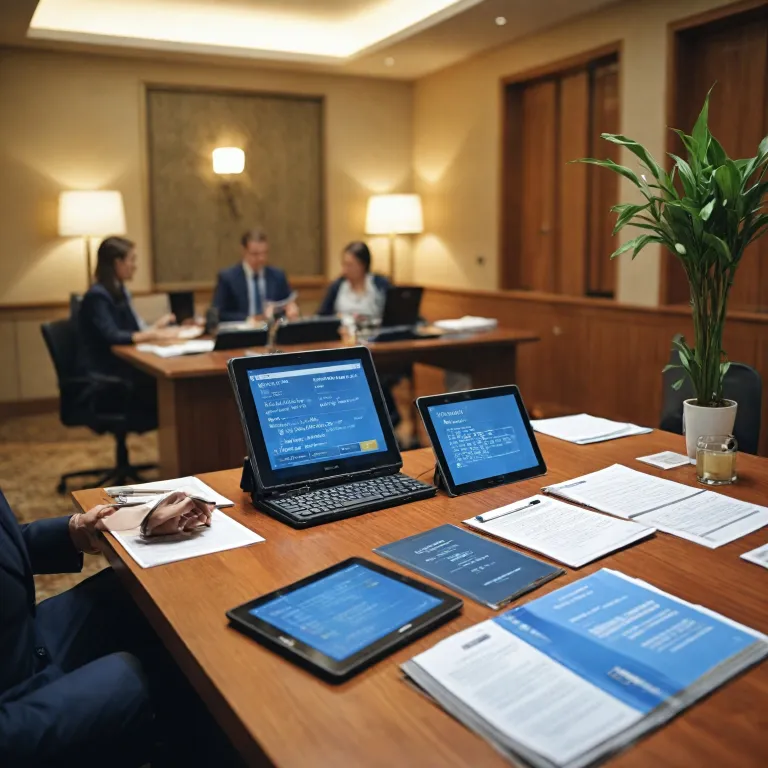
Understanding what a hotel folio means for professional event stays
For MICE planners, understanding what is a folio from a hotel is essential to controlling budgets and reporting accurately to clients. A hotel folio is the master financial record that tracks every euro of a guest stay, from room rates to ancillary services and taxes. In Média MICE contexts, where one event can involve hundreds of guests and multiple folios, this document becomes a strategic tool rather than a simple bill.
In operational terms, a folio is created at check in by front desk staff and then updated in real time through the Property Management System. Each time the guest uses room service, spa services, meeting rooms or other services, the system will record charges and link them to the correct guest folio or master folio. This allows hotel management and event organizers to check operations and financial transactions with precision during and after the stay.
For group events, hotels usually open a master folio that aggregates shared charges from several guest folios, such as conference room rental, audiovisual services, or hosted lunches. Individual folios remain attached to each guest stay, covering personal room charges, minibar, or private spa services that must not be billed back to the company. This separation of folio hotel records is crucial to avoid disputes about which charges guest companies must actually pay.
Because hotels rely on folio management as a core financial process, the quality of folio data directly affects guest satisfaction and post event reconciliation. Hotel accounting teams use these folios as auditable records, while MICE agencies use them to justify fees and consolidate costs across hotels and destinations. In this sense, the humble hotel folio becomes a shared language between hotel staff, guests, and professional event stakeholders.
How folio data flows through hotel operations and Média MICE workflows
Behind the scenes, the hotel folio is continuously fed by integrated systems that support complex MICE operations. The PMS acts as the master database, while POS terminals in restaurants, bars, spa services and room service stations record charges guest by guest in real time. Each transaction flows from the outlet to the folio hotel record, ensuring that no revenue is lost and that billing remains transparent for all guests.
For event organizers, this flow of data is particularly important when they must reconcile multiple hotel folios across a citywide congress or multi venue incentive. When front desk staff correctly assign billing instructions, the system can automatically record charges to the right guest folio or master folio, reducing manual corrections at check out. This is where clear communication between hotel management, MICE planners, and on site staff becomes a decisive factor in financial accuracy.
Many hotels now provide digital folio access, allowing a guest to check their folio guest details on a mobile device during the stay. This supports a smoother guest experience, because errors in room rates or services can be corrected in real time rather than at departure. For MICE groups, interim folio reviews with the organizer help align expectations and avoid last minute disputes about which charges belong to the event package.
For properties that position themselves strongly in Média MICE, folio management is also linked to broader quality initiatives such as elevating guest satisfaction through environmental and comfort standards. When billing is as carefully managed as air quality or meeting room ergonomics, the overall perception of professionalism increases. In practice, this means training staff to use folio management tools rigorously and to explain the content of hotel folios clearly to demanding corporate guests.
Designing folio structures for complex Média MICE events
In Média MICE projects, the question is not only what is a folio from a hotel, but how many folios are needed and how they should be structured. A single congress may require one master folio for the organizer, several sub master folios for sponsors, and individual guest folios for speakers and delegates. Each layer of folio management must reflect contractual commitments, negotiated room rates, and agreed inclusions such as breakfast, transfers, or spa services vouchers.
For example, a master folio might centralize meeting room rental, plenary audiovisual packages, and group coffee breaks, while separate folios handle hosted dinners for VIP guests. Individual folios for participants will then show their own room service orders, bar charges, or personal laundry, which must be settled directly by the guest at check out. This architecture allows hotels to record charges accurately while giving organizers a clear financial picture of the event.
Hotels that specialize in Média MICE often work with agencies to pre define folio hotel templates for recurring events, saving time and reducing errors. These templates specify which services are routed to which folio, how to handle no shows, and how to treat early arrivals or late departures within the guest stay. When combined with sustainable event policies, as highlighted in Média MICE sustainability practices, this structured approach supports both financial and environmental accountability.
From the perspective of hotel management, well designed folios also facilitate internal reporting and segment analysis for the MICE business. Revenue managers can isolate income from rooms, meeting spaces, and ancillary services across multiple hotels participating in the same event. This level of detail helps them refine pricing strategies, optimize allocation of staff, and negotiate more effectively with B2B partners for future Média MICE collaborations.
Digital folios, real time visibility, and the guest experience
The shift to digital hotel folios has transformed how guests and organizers interact with billing information during a stay. When a guest can check their folio guest details in real time, they gain confidence that room rates, taxes, and additional services are correctly applied. This transparency is particularly valuable in Média MICE contexts, where corporate travelers may have strict travel policies and limited time at the front desk.
Modern PMS platforms integrate folio management with mobile apps, email delivery, and self service kiosks, allowing guests to review and approve charges before reaching the counter. For hotel staff, this reduces pressure at peak check out time and frees them to focus on personalized service rather than manual corrections. For organizers, interim exports of hotel folios provide early visibility on spend patterns and potential over budget areas.
Digital folios also support sustainability by reducing printed paper and enabling centralized archiving of financial transactions. Accounting teams can audit a master folio or individual guest folio without searching through physical files, while MICE agencies can store hotel folios alongside contracts and post event reports. This integrated approach to data supports more robust analysis of guest satisfaction and the impact of specific services such as spa services or room service on overall revenue.
As Média MICE events become more complex, the ability to monitor folio hotel information in real time becomes a competitive advantage for both hotels and destinations. Solutions that combine folio management with broader workflow optimization, such as those discussed in optimizing hotel workflows for enhanced MICE event management, help align operational efficiency with guest expectations. In this environment, what hotel teams do with folio data can directly influence repeat business and long term partnerships.
Aligning folio practices with Média MICE stakeholder expectations
For organizers and B2B agencies, understanding what is a folio from a hotel also means understanding who manages it and how responsibilities are shared. The Hotel Front Desk Staff are described as "Creators and Managers of Guest Folios", the Hotel Accounting Department as "Overseers of Financial Transactions", and the Hotel Guests as "Reviewers of Folio Charges". This tripartite structure reflects the reality that folio management is both an operational and relational process in Média MICE projects.
Event planners should work with hotel management teams before the first guest stay to define billing rules, payment methods, and reporting formats. Clear guidelines on which charges guest companies will accept, and which must remain on personal guest folios, prevent misunderstandings at check out. During the event, regular check meetings with front desk and accounting staff allow organizers to verify that folio data matches rooming lists, attrition clauses, and last minute changes.
From the guest perspective, a well structured hotel folio enhances trust and reinforces the perception of professional service. When guests see that their room, meeting package, and eligible services are correctly allocated to the company or to themselves, they are more likely to rate guest satisfaction highly. This is especially important for Média MICE delegates who may influence future venue selection for their organizations.
For destinations and tourism boards, promoting hotels that excel in folio management can be a subtle but powerful argument in bids for international congresses. Reliable handling of hotel folios, transparent financial transactions, and responsive staff reduce the administrative burden on associations and PCOs. Over time, this reputation for accuracy and fairness can differentiate one city or region in the competitive Média MICE landscape.
From folio accuracy to strategic insight in Média MICE hospitality
Once the last guest has checked out and all hotel folios are settled, the value of folio data does not end. For hotels, each guest folio and master folio becomes a data point in understanding the profitability of specific segments, markets, and events. For MICE organizers, consolidated folios across several hotels inform future negotiation strategies and help refine event design.
Advanced hotel management teams integrate folio management outputs into CRM and business intelligence tools, enabling them to analyze spend per guest stay, uptake of spa services, and the impact of bundled room rates on ancillary revenue. They can also identify patterns in charges guest behavior, such as preferences for room service versus on site restaurants, which inform product development. In Média MICE, these insights support more tailored offers for congresses, incentives, and corporate meetings.
For agencies and corporate clients, a clear understanding of what is a folio from a hotel allows them to request the right level of detail in post event reporting. Line item visibility on services, taxes, and fees across multiple hotels supports internal compliance and budget justification. It also enables benchmarking between destinations and venues, highlighting which partners deliver the best balance of guest experience, guest satisfaction, and financial control.
Ultimately, the folio hotel ecosystem is a shared framework that aligns the interests of hotels, guests, and Média MICE professionals. When folio management is precise, transparent, and technologically supported, it reduces friction and frees all parties to focus on content, networking, and long term relationships. In this way, the answer to what hotel folios represent goes far beyond billing ; they are the financial backbone of high performing MICE hospitality.
Key statistics on hotel folios and digital management
- Percentage of hotels using digital folios : 75 % of surveyed properties have implemented digital folio solutions integrated with their PMS.
- Average number of charges per guest folio : 5 charges are typically recorded for each guest stay, covering room, taxes, and ancillary services.
Frequently asked questions about hotel folios in MICE contexts
What information is typically included in a hotel folio?
A hotel folio typically includes guest information, room charges, taxes, fees, and any additional charges for services or amenities used during the stay.
Can I dispute a charge on my hotel folio?
Yes, guests can dispute charges by reviewing their folio and discussing any discrepancies with the hotel's front desk or billing department.
How can I access my hotel folio after check out?
Many hotels provide digital copies of the folio via email or through their mobile app ; alternatively, you can request a printed copy at the front desk during check out.
How often should I review my folio during a guest stay?
It is advisable for guests and organizers to review the folio periodically during the stay, especially after high activity days with multiple services used.
Why is folio accuracy so important for Média MICE events?
Accurate folios protect budgets, reduce disputes, and provide reliable data for post event analysis, which is critical for professional organizers and hotel partners.