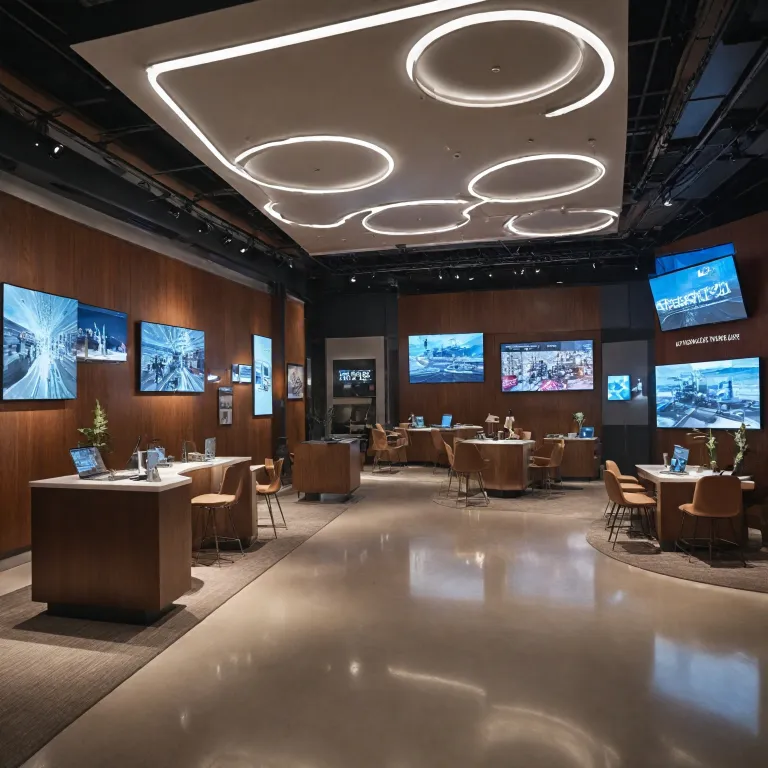
Hotelverse at FITUR as a catalyst for media MICE transformation
At FITUR in Madrid, the conversation around media MICE in the hospitality industry shifted decisively toward hotelverse and its partners. In the dense traffic of travel professionals, this focus on technology and hotel booking innovation resonated strongly with event organizers seeking new ways to generate revenue and elevate every guest experience. For hotels active in the MICE sector, the beonx hotelverse alliance signaled a move from generic digital showcases to operational tools that can be deployed in real time.
Hotelverse positioned its digital twin of the hotel and each room as a strategic asset for media MICE campaigns, not just a visual gimmick. By allowing a guest to explore interactive 3D hotel models and select an exact room, the company connected hotel technology directly with content production, storytelling, and measurable booking outcomes. This approach gave hotel groups and individual hotel management teams a concrete way to align media exposure with direct bookings and hotel direct strategies.
Alongside Hotelverse, BEONx demonstrated how advanced revenue management and a robust booking engine can turn media MICE visibility into optimized revenue management results. Their joint HotelTrends initiative at FITUR brought together the hospitality sector, from Radisson Hotel Group to Iberostar Hotels & Resorts, Hyatt, and Palladium Hotel Group, to discuss how artificial intelligence and data driven hotel management can support informed decisions. For media MICE planners, this convergence of hospitality, tech, and digital transformation opened a new chapter in how the hospitality industry treats content, distribution, and operational efficiency.
Media MICE as a strategic layer in hotelverse FITUR narratives
Media MICE has long been treated as a communication add on rather than a core lever of hotel management and revenue management. At FITUR, the hotelverse and BEONx presence reframed media MICE as a structural component of the hospitality industry, especially for hotels that depend on B2B events and congresses. For organizers, this meant that every piece of media content, from a room video to a digital twin walkthrough, could be tied directly to hotel booking performance and guest experience metrics.
Hotelverse is a technology company that allows guests to select their exact hotel room using digital twins and immersive 3D experiences. BEONx specializes in hotel revenue management systems that optimize pricing and distribution based on consumer behavior. FITUR is an international tourism trade fair held annually in Madrid, Spain, showcasing the latest trends and innovations in the tourism industry.
For event planners and destinations, this explicit positioning of hotelverse at FITUR encouraged them to rethink how media MICE formats integrate with hotel technology stacks. When a hotel group uses a digital twin to showcase a room during a press event, the same asset can feed the booking engine, support hotel booking campaigns, and enhance the customer experience on hotel direct channels. Agencies designing media MICE programs can therefore align content calendars with revenue windows, using artificial intelligence powered forecasting from BEONx to time announcements, room releases, and promotional rates.
To operationalize this, planners increasingly rely on structured frameworks such as a dedicated media MICE event planning checklist. Within such frameworks, hotelverse digital assets, BEONx revenue rules, and FITUR driven visibility are treated as interconnected levers. This integrated management approach helps both hotels and destinations transform media MICE from a cost center into a measurable driver of revenue and long term guest relationships.
Digital twins and hyper personalization for MICE and media delegates
The most striking contribution of hotelverse at FITUR for media MICE professionals was the practical use of the digital twin. Instead of static photos, hotels can now present a fully navigable digital representation of the property, where each room, meeting space, and breakout area is accessible in real time. For organizers managing large congresses, this allows them to pre assign rooms, optimize flows, and tailor the guest experience for VIPs, speakers, and media crews.
When combined with BEONx revenue management, these digital twins become more than visual tools ; they become decision engines. Event planners can test different room allocation scenarios, evaluate revenue impacts, and coordinate with hotel management to secure the right mix of room types for their guests. This level of hyper personalization supports both operational efficiency and the broader hospitality sector objective of aligning guest expectations with the actual experience on site.
For media MICE, the digital twin also transforms content production, as journalists and influencers can preview hotels and rooms before travel. This reduces scouting trips, accelerates editorial planning, and ensures that coverage of the hospitality industry is grounded in accurate, up to date visuals. To support this shift, many hotels are revisiting their internal workflows, often guided by resources on optimizing hotel workflows for MICE event management, so that hotel technology, booking engine updates, and media requests are handled through a unified management process.
In this context, hotelverse fitur 2025 became shorthand among professionals for a new standard in digital transformation. Hotels and hotel groups that embrace digital twins, artificial intelligence, and integrated booking systems are better positioned to serve media MICE clients. They also gain a competitive edge in the travel sector, where direct bookings and hotel direct strategies increasingly depend on immersive, data rich experiences.
From visibility to revenue : aligning media MICE with hotelverse and BEONx
For many destinations and venues, the central challenge in media MICE is converting visibility into sustainable revenue. The hotelverse and BEONx collaboration showcased at FITUR addressed this by connecting hotel technology, revenue management, and media planning into a single operational framework. Instead of treating media coverage as an isolated outcome, hotels can now track how each campaign influences hotel booking behavior and guest segments.
BEONx revenue management systems help hotels optimize pricing strategies, forecast demand, and maximize revenue by analyzing market data and consumer behavior. A digital twin is a virtual representation of a hotel, allowing guests to explore and select specific rooms through interactive 3D models. Revenue management systems help hotels optimize pricing strategies, forecast demand, and maximize revenue by analyzing market data and consumer behavior.
For media MICE organizers, this means that every press trip, content partnership, or hybrid event can be evaluated through clear KPIs linked to the booking engine and hotel management dashboards. When hotelverse digital twins are embedded in campaign landing pages, guests can move seamlessly from inspiration to selection of a specific room, improving conversion and guest experience. This approach supports informed decisions about which channels, markets, and formats deliver the best ROI for the hospitality industry.
To fully leverage these capabilities, stakeholders are increasingly interested in hybrid event production for impactful MICE experiences. Hybrid formats allow hotels and destinations to extend the reach of FITUR style showcases beyond the trade fair, using live digital twin tours, real time Q&A, and artificial intelligence driven personalization. As hotelverse fitur 2025 becomes a reference point, the hospitality sector is learning to treat media MICE as a continuous, data informed process rather than a series of isolated events.
Operational efficiency and management models for media MICE ready hotels
Behind the scenes of hotelverse at FITUR lies a deeper shift in hotel management models for media MICE. Hotels that wish to capitalize on digital twin capabilities, advanced booking engines, and artificial intelligence must rethink their operational structures. This involves closer collaboration between sales, marketing, revenue management, and on site operations to ensure that media MICE requirements are integrated into daily workflows.
In practice, this means that hotel groups are creating cross functional teams that oversee hotel technology, content production, and guest experience design. These teams coordinate with BEONx to align revenue management rules with media calendars, ensuring that high visibility periods are matched with optimized pricing and inventory. For the hospitality sector, such integrated management models are essential to maintain operational efficiency while handling complex media MICE demands.
Event organizers and destinations also benefit when hotels adopt these models, because they gain a single point of contact for all aspects of the project. From room allocations in the digital twin to special requirements for media guests, everything is handled through a unified system that reflects real time availability and constraints. This reduces friction, shortens response times, and enhances the overall customer experience for B2B agencies and congress planners.
As hotelverse fitur 2025 continues to influence best practices, more hotels are investing in training their teams on digital tools and data literacy. They recognize that technology alone does not guarantee success ; it must be embedded in a culture of collaboration and continuous improvement. For media MICE stakeholders, partnering with such hotels offers a higher degree of predictability, transparency, and creative flexibility.
Strategic roadmaps for destinations embracing hotelverse FITUR dynamics
For tourism boards, convention bureaus, and destinations, the lessons of hotelverse at FITUR extend beyond individual hotels. Media MICE strategies now require destination wide coordination around technology, content, and revenue objectives. This means aligning multiple hotels, venues, and local partners on shared standards for digital twins, booking engines, and artificial intelligence enabled data sharing.
Destinations that position hotelverse fitur 2025 as a benchmark are building roadmaps that integrate hospitality industry stakeholders into a coherent digital transformation plan. They encourage hotels and hotel groups to adopt compatible hotel technology, from booking engines to revenue management systems, so that media MICE campaigns can present a unified, seamless experience. This approach enhances the perceived professionalism of the hospitality sector and reassures organizers that operational efficiency will be maintained across the entire travel journey.
Such roadmaps also emphasize training for local partners on media MICE requirements, including content formats that leverage digital twins and immersive room experiences. By standardizing how hotels present their rooms, meeting spaces, and guest services, destinations make it easier for media and event planners to compare options and make informed decisions. This, in turn, supports higher levels of direct bookings and hotel direct engagement, which are critical for long term revenue resilience.
Ultimately, the impact of hotelverse at FITUR on media MICE lies in its ability to connect technology, management, and storytelling into a single narrative. Destinations that embrace this narrative will be better equipped to compete in the global travel market, attract high value events, and deliver exceptional guest experiences. For organizers, agencies, and hotel management teams, the message is clear : media MICE success now depends on how effectively the hospitality industry integrates digital innovation into every stage of the journey.
Key figures shaping hotelverse and media MICE at FITUR
- Number of visitors to FITUR 2025 : 255 000 people, illustrating the scale of exposure available to hotels and destinations engaging in media MICE.
- Number of professionals attending FITUR 2025 : 155 000 people, representing a highly qualified audience for hotelverse, BEONx, and hospitality industry stakeholders.
- Number of companies participating in FITUR 2025 : 9 500 companies, including major hotel groups and technology providers active in the hospitality sector.
- Number of countries represented at FITUR 2025 : 156 countries, confirming FITUR as a global platform for travel, hospitality, and media MICE collaboration.
Frequently asked questions about hotelverse FITUR and media MICE
What is Hotelverse and why does it matter for media MICE ?
Hotelverse is a technology company that enables hotels to create digital twins of their properties, allowing guests to select specific rooms through immersive 3D experiences. For media MICE, this matters because it transforms how hotels present themselves to journalists, influencers, and event planners. It links visual storytelling directly to hotel booking behavior and guest experience outcomes.
How does BEONx support revenue management for MICE focused hotels ?
BEONx provides revenue management systems that analyze demand patterns, market data, and consumer behavior to optimize pricing and distribution. For MICE focused hotels, this allows them to align group rates, corporate contracts, and event packages with real time demand. When combined with hotelverse digital twins, BEONx helps convert media visibility into measurable revenue.
What role does FITUR play in shaping hospitality technology trends ?
FITUR serves as a global meeting point for the travel and hospitality industry, where new technology solutions are presented and tested. For hotelverse, BEONx, and their partners, FITUR offers a platform to engage directly with hotel groups, destinations, and media MICE professionals. The event accelerates adoption of innovations such as digital twins, artificial intelligence, and advanced booking engines.
How can digital twins improve the guest experience for event delegates ?
Digital twins allow delegates to preview hotels, rooms, and meeting spaces before arrival, reducing uncertainty and enhancing satisfaction. Organizers can use these tools to allocate rooms more effectively, plan traffic flows, and tailor services for different guest segments. This leads to a smoother on site experience and stronger feedback for both hotels and destinations.
Why is operational efficiency critical for media MICE success in hospitality ?
Operational efficiency ensures that complex media MICE requirements, from room allocations to technical setups, are handled smoothly and consistently. Hotels that integrate technology, management, and communication workflows can respond faster to changes and maintain high service levels. This reliability is essential for organizers, who depend on predictable execution to deliver successful events and compelling media coverage.