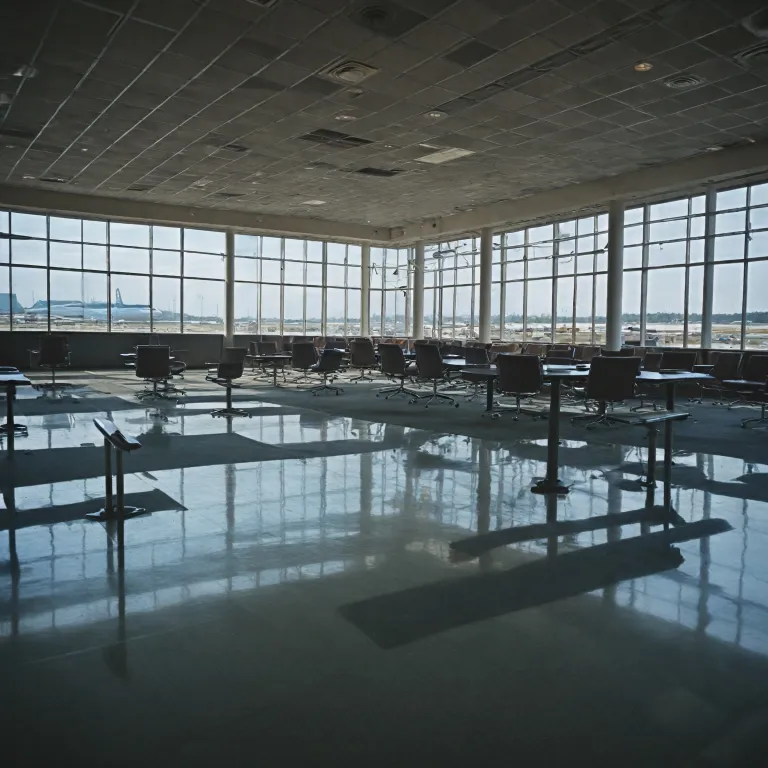
Government shutdown and its immediate impact on travel industry news in October
The government shutdown in October sent shockwaves through the travel industry, disrupting both domestic and international travel operations. Travel industry news in October highlighted how air travel, business travel, and inbound travel suffered delays and cancellations. The shutdown led to significant operational challenges for airports, with staffing shortages among TSA officers and air traffic controllers causing longer lines, delayed flights, and a sharp decrease in passenger satisfaction.
International arrivals and domestic travel both saw a marked decline, as government services essential for processing international visitor arrivals were limited. The shutdown also affected international air travel, with airlines reporting a drop in international inbound and outbound flights. According to travel industry data, the total number of international visits and domestic trips in October fell by several percent compared to previous months, reflecting the scale of the disruption.
Travel industry stakeholders, including the U.S. Travel Association and Airlines for America, responded by advocating for policies to prevent future shutdowns. The shutdown’s impact on travel forecast models was immediate, with analysts revising their growth expectations downward for the remainder of the year. The October total for visitor arrivals, air passenger numbers, and travel spending all declined, with the industry estimating a $4 billion loss in economic activity.
For event organizers and MICE professionals, the shutdown underscored the vulnerability of large-scale events to government actions. Many international business events faced cancellations or reduced attendance, as international visitors struggled with travel restrictions and uncertainty. The shutdown’s effects on travel industry news in October provided a stark reminder of the interconnectedness of government policy and the hospitality sector.
Disruption of MICE events and the ripple effect on destinations and venues
MICE (Meetings, Incentives, Conferences, and Exhibitions) operations were particularly hard hit during the October shutdown, as venues and destinations across the United States faced abrupt cancellations. Event planners and B2B agencies reported significant losses in business travel and event sales, with many international arrivals unable to secure visas or clear customs due to limited government staffing. The shutdown’s impact on travel industry news in October was evident in the sharp decline in international inbound and domestic event attendance.
Destinations such as Washington, D.C., which typically welcome millions of visitors annually, saw a dramatic reduction in international visits and domestic travel. The closure of major attractions like the Smithsonian museums and the National Zoo further discouraged both business and leisure travel. According to industry data, the percent compared to pre pandemic levels for international visitor arrivals and total visits dropped significantly, affecting hotel occupancy and venue bookings.
For hotel commercial directors and tourism offices, the shutdown forced a reevaluation of contingency plans and risk management strategies. The travel industry’s reliance on government services for smooth operations became a focal point in travel industry news in October, with many stakeholders calling for greater resilience. MICE event contingency planning became a trending topic, as agencies sought to safeguard future business against similar disruptions.
International air travel and domestic travel both faced price volatility, as airlines adjusted schedules and fares in response to fluctuating demand. The shutdown’s effect on travel forecast models was profound, with analysts predicting slower growth for the remainder of the year. The October total for business travel, international visits, and travel spending all reflected the cascading impact of the shutdown on the broader travel industry.
Economic losses and the challenge of recovery for the travel industry
The economic consequences of the October shutdown were immediate and far-reaching, with the travel industry reporting an estimated $4 billion loss. Travel industry news in October was dominated by stories of lost revenue, missed paychecks, and disrupted operations across all segments. The shutdown’s impact on air travel, international arrivals, and domestic travel was particularly severe, as airlines and hotels struggled to maintain sales and occupancy rates.
International visitor arrivals and international inbound travel both declined sharply, as government services essential for processing visas and customs were unavailable. The percent compared to previous years for international air and domestic travel fell, with many businesses reporting lower than expected sales. The shutdown also affected travel spending, as both leisure and business travelers postponed or canceled trips due to uncertainty.
Industry stakeholders responded by leveraging real-time data analytics to monitor travel disruptions and adjust their strategies. The use of economic impact assessments and travel industry performance metrics allowed companies to quantify losses and plan for recovery. Travel industry economic resilience became a key focus, as organizations sought to forecast growth and rebuild confidence among travelers.
Travel industry news in October emphasized the need for stronger contingency planning and policy advocacy to prevent future shutdowns. The government shutdown served as a catalyst for innovation, with stakeholders exploring new approaches to risk management and crisis communication. The October total for visitor arrivals, air passenger numbers, and travel spending provided a sobering benchmark for the industry’s recovery efforts.
Data-driven insights: How analytics shaped travel industry responses in October
In the wake of the shutdown, travel industry news in October highlighted the growing importance of data-driven decision making. Real-time analytics enabled stakeholders to track international arrivals, domestic travel, and air passenger flows with unprecedented accuracy. This data was crucial for forecasting growth, adjusting sales strategies, and managing price volatility in both international and domestic markets.
Travel industry professionals relied on performance metrics to assess the percent compared to pre pandemic levels for international visits and business travel. The use of economic impact assessments allowed companies to quantify the October total losses and identify areas for targeted recovery. International air travel data revealed significant declines in passenger numbers, prompting airlines to revise schedules and pricing models.
For MICE organizers and event planners, analytics provided valuable insights into attendee behavior and travel spending patterns. The shutdown’s impact on international inbound and domestic event participation was closely monitored, enabling agencies to adapt their offerings and communication strategies.
Travel industry news in October underscored the need for greater transparency and collaboration among stakeholders. By sharing data and best practices, the industry was able to respond more effectively to the challenges posed by the shutdown. The emphasis on analytics and data-driven decision making is expected to shape the travel industry’s approach to future disruptions and growth opportunities.
Policy advocacy and the role of industry associations in safeguarding travel
Industry associations such as the U.S. Travel Association and Airlines for America played a pivotal role in advocating for policies to protect the travel industry during the October shutdown. Travel industry news in October frequently cited these organizations’ efforts to engage with policymakers and raise awareness of the shutdown’s impact on international arrivals, domestic travel, and business travel. Their advocacy was instrumental in highlighting the need for government action to prevent future disruptions.
Travel industry stakeholders collaborated with government agencies to develop contingency plans and safeguard critical infrastructure. The shutdown’s effect on international air travel and inbound travel prompted calls for greater investment in resilience and risk management. Industry associations provided guidance on best practices for managing sales, price volatility, and travel spending during periods of uncertainty.
Business travel and MICE operations benefited from the support of industry associations, which offered resources and training on crisis management. The percent compared to pre pandemic levels for international visits and domestic travel served as key benchmarks for measuring the effectiveness of advocacy efforts. Travel industry news in October highlighted the importance of collective action in addressing the challenges posed by the shutdown.
As the industry looks to the future, the role of associations in shaping policy and supporting stakeholders will remain critical. Their expertise and authority lend credibility to the travel industry’s efforts to forecast growth and navigate the complexities of the global market. The October total for visitor arrivals, air passenger numbers, and travel spending will inform ongoing advocacy and policy development.
Lessons learned: Building resilience in the MICE and travel industry
The October shutdown served as a wake-up call for the travel industry, prompting a renewed focus on resilience and risk management. Travel industry news in October emphasized the importance of contingency planning for both international and domestic travel operations. MICE professionals, event organizers, and hotel commercial directors recognized the need to diversify revenue streams and develop flexible business models.
International arrivals and business travel are particularly vulnerable to government actions, as demonstrated by the shutdown’s impact on international inbound and domestic event participation. The percent compared to previous years for international visits and travel spending highlighted the need for proactive measures to safeguard the industry. Travel industry stakeholders are now prioritizing the development of robust crisis communication strategies and insurance policies that cover government-related cancellations.
Collaboration among destinations, venues, and agencies is essential for building resilience in the face of future disruptions. The use of real-time data analytics and economic impact assessments will continue to inform decision making and support recovery efforts. Travel industry news in October provided valuable lessons for the sector, reinforcing the importance of adaptability and innovation.
As the industry moves forward, the focus will remain on strengthening partnerships and advocating for policies that support sustainable growth. The October total for visitor arrivals, air passenger numbers, and travel spending will serve as key indicators of progress. The shutdown’s legacy is a more resilient and agile travel industry, better equipped to navigate the challenges of an uncertain world.
Expert perspectives: Real-world insights and actionable recommendations
Industry experts agree that the October shutdown exposed critical vulnerabilities in the travel industry’s infrastructure. As one expert noted, "The shutdown led to staffing shortages among TSA officers and air traffic controllers, resulting in longer lines, delays, and flight cancellations." Another highlighted, "Major attractions like the Smithsonian museums and the National Zoo in Washington, D.C., were closed, significantly impacting tourism." The economic impact was also clear: "The U.S. travel economy suffered an estimated loss of $4 billion due to the shutdown."
For MICE professionals and event organizers, these insights underscore the importance of proactive planning and stakeholder collaboration. Travel industry news in October provided a wealth of data and case studies, enabling organizations to benchmark their performance and identify areas for improvement. The focus on international arrivals, domestic travel, and business travel will continue to shape the industry’s strategic priorities.
Actionable recommendations include investing in data-driven analytics, developing comprehensive contingency plans, and advocating for policies that prevent future shutdowns. The percent compared to pre pandemic levels for international visits and travel spending should inform recovery strategies and performance metrics. By leveraging the lessons of October, the travel industry can build a more resilient and sustainable future.
Ongoing dialogue among industry stakeholders, government agencies, and associations will be essential for addressing emerging challenges. The October total for visitor arrivals, air passenger numbers, and travel spending will remain key indicators of the industry’s health and recovery. The travel industry’s experience in October offers a blueprint for navigating future disruptions and achieving long-term growth.
Key statistics: The October shutdown’s impact on travel industry metrics
- Estimated loss in travel economy due to October shutdown: $4 billion
- Number of active-duty military members missing paychecks by October 15: 1.3 million
- Number of visitors to Washington, D.C. in the previous year: 27 million
Frequently asked questions about the October shutdown and travel industry news
How did the October government shutdown affect air travel?
The shutdown led to staffing shortages among TSA officers and air traffic controllers, resulting in longer lines, delays, and flight cancellations.
Which tourist attractions were closed during the October shutdown?
Major attractions like the Smithsonian museums and the National Zoo in Washington, D.C., were closed, significantly impacting tourism.
What was the estimated economic impact of the October shutdown on the travel industry?
The U.S. travel economy suffered an estimated loss of $4 billion due to the shutdown.
What contingency measures did the travel industry implement during the shutdown?
Industry stakeholders developed contingency plans, increased advocacy for policies preventing shutdowns, and emphasized travel insurance covering government-related cancellations.
How did the shutdown affect international visitor arrivals and business travel?
International visitor arrivals and business travel both declined sharply, with many events canceled or postponed due to travel restrictions and operational disruptions.