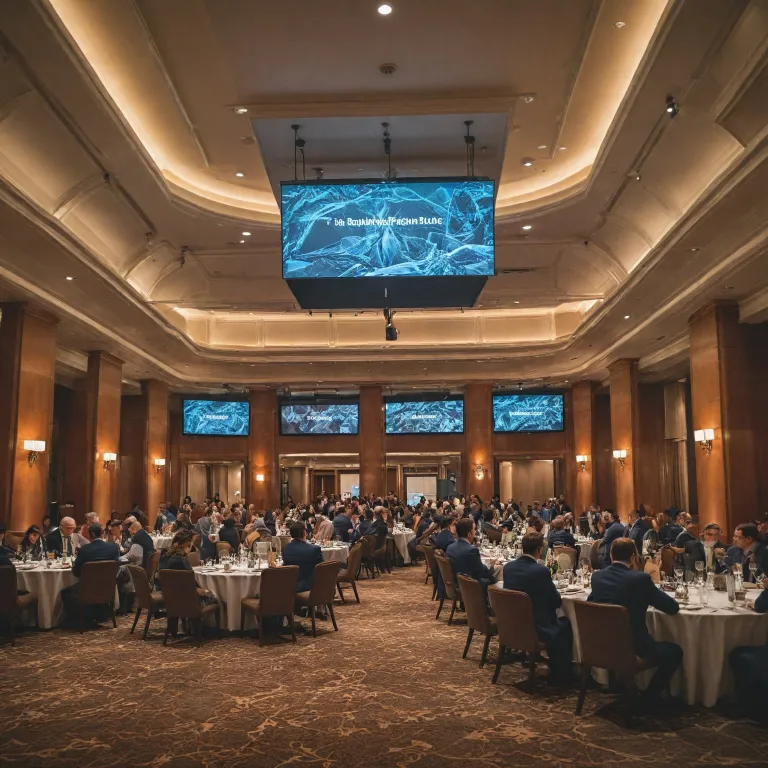
Redefining engagement: The evolution of hybrid event production in hospitality
Hybrid event production has transformed the landscape for event organizers, MICE managers, and B2B event agencies. The integration of in-person and virtual elements enables a seamless experience for both live and remote attendees, expanding the reach of events beyond physical boundaries. By leveraging advanced event production techniques, hospitality professionals can create engaging experiences that cater to diverse audiences, whether they are present in person or participating as virtual attendees. The shift towards hybrid events is driven by the need for flexibility and inclusivity. Event planning now involves meticulous coordination between technical production teams, virtual platform providers, and in-person venue staff. This collaborative approach ensures that both live and virtual audiences receive equal attention, with real time content delivery and interactive engagement tools enhancing the overall experience. As a result, hybrid event production has become a strategic priority for destinations, venues, and tourism offices seeking to maximize audience engagement and event impact.Strategic planning for successful hybrid events: Key considerations for MICE professionals
Effective hybrid event production requires a comprehensive planning process that addresses the unique needs of both in-person and virtual attendees. Event organizers must consider factors such as time zone differences, internet connectivity, and clear communication of schedules to ensure a smooth experience for all participants. The integration of audio visual technology and live streaming platforms is essential for delivering high-quality content to remote audiences. One critical aspect is the selection of an event platform that supports interactive features like live polls, Q&A sessions, and networking opportunities. These tools foster engagement among virtual audiences and create a unified experience for all attendees. For those seeking best practices in hybrid event planning, the resource on hybrid event management strategies offers valuable insights into optimizing both person and virtual participation. Collaboration with AV production companies and virtual platform providers is vital for ensuring technical reliability and seamless event execution. By prioritizing audience engagement and leveraging innovative technologies, MICE professionals can deliver successful hybrid events that meet the evolving expectations of corporate clients and delegates.Technological innovation: Enhancing the hybrid event experience through advanced platforms
The rapid advancement of technology has elevated hybrid event production to new heights. High-definition cameras, sophisticated audio visual systems, and robust virtual platforms are now standard tools for delivering engaging experiences to both in-person and virtual attendees. The use of AI-powered engagement tools and real time analytics enables event organizers to personalize content and measure the effectiveness of their events. Virtual hybrid platforms offer features such as live streaming, breakout rooms, and interactive content delivery, ensuring that remote attendees remain fully engaged throughout the event. The integration of virtual reality (VR) and augmented reality (AR) further enhances the immersive quality of hybrid events, providing unique experiences for both live and online audiences. For a deeper understanding of how technology is shaping the future of hybrid event production, explore the comprehensive guide on virtual event technology solutions. By adopting cutting-edge solutions and maintaining a focus on audience engagement, event planners can create memorable and impactful hybrid events that resonate with diverse audiences. The ability to deliver content in real time across multiple platforms is a key differentiator in today’s competitive MICE landscape.Maximizing audience engagement: Strategies for interactive and inclusive hybrid events
Audience engagement is at the heart of successful hybrid event production. Event organizers must design experiences that captivate both in-person and virtual attendees, ensuring that everyone feels included and valued. Interactive tools such as live polls, Q&A sessions, and gamification elements are effective in fostering participation and maintaining attention throughout the event. The use of virtual event platforms with integrated networking features allows remote attendees to connect with speakers, sponsors, and fellow participants in real time. This creates a sense of community and enhances the overall event experience. Personalization is another key factor in driving engagement. By leveraging data analytics and AI-driven insights, event planners can tailor content and interactions to the preferences of individual attendees. This approach not only increases satisfaction but also contributes to the overall success of hybrid events in the hospitality sector.Operational excellence: Coordinating teams and resources for seamless hybrid event delivery
The complexity of hybrid event production demands a high level of coordination among various stakeholders. Technical production teams, in-person venue staff, and virtual platform providers must work together to ensure a flawless execution. Clear communication and defined roles are essential for managing logistics, troubleshooting technical issues, and delivering a consistent experience to all audiences. Pre-event planning typically begins three to six months in advance, with technical setup and testing occurring one to two weeks before the event. On the day of the event, synchronized delivery of content across live and virtual platforms is critical for maintaining engagement and minimizing disruptions. Post-event analysis and follow-up activities help organizers assess the effectiveness of their strategies and identify areas for improvement. The adoption of sustainable practices, such as reducing travel and optimizing resource usage, is increasingly important in hybrid event production. By embracing innovation and operational excellence, hospitality professionals can deliver events that meet the highest standards of quality and attendee satisfaction.Measuring success: Analytics and ROI in hybrid event production for hospitality
Evaluating the success of hybrid events requires a data-driven approach. Real time analytics provide valuable insights into attendee engagement, content effectiveness, and overall event impact. Event organizers can track metrics such as audience participation, session attendance, and interaction rates to assess the performance of both in-person and virtual components. The integration of AI and machine learning enables deeper analysis of attendee behavior, allowing for continuous improvement of event planning and execution. According to recent statistics, 70% of event organizers face challenges in connecting in-person and virtual audiences, highlighting the importance of effective hybrid event production. Additionally, attendee interaction has increased threefold through the use of AI-powered networking and advanced polling. By leveraging these insights, hospitality professionals can optimize their event strategies, enhance audience engagement, and achieve a higher return on investment. The future of hybrid event production lies in the ability to deliver measurable value to all stakeholders, ensuring long-term success in the competitive MICE industry.Key statistics on hybrid event production in hospitality
- 70% of event organizers face challenges in connecting in-person and virtual audiences.
- Attendee interaction has increased threefold through AI-powered networking and advanced polling.
Frequently asked questions about hybrid event production
What is hybrid event production?
Hybrid event production involves creating events that combine both in-person and virtual elements, ensuring a cohesive experience for all attendees.
Why are hybrid events important?
Hybrid events extend reach and accessibility, allowing participants to join from anywhere, thus increasing engagement and inclusivity.
What are the key components of a successful hybrid event?
Key components include integrated audiovisual production, interactive engagement tools, synchronized coordination between on-site and virtual teams, and the use of advanced technologies to enhance participant experience.