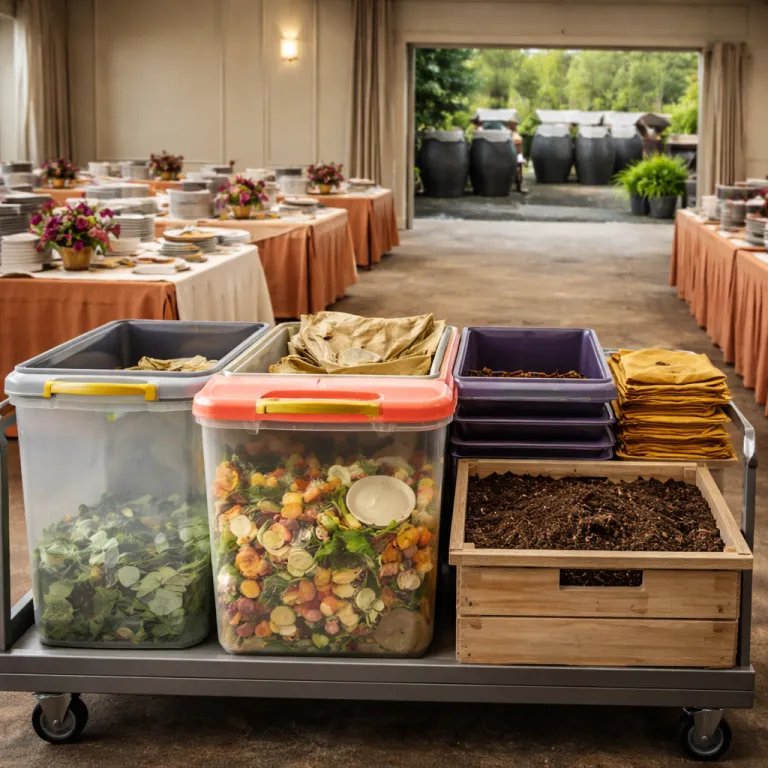
Zero waste as a hotel event planning standard, not a marketing slogan
Zero waste is moving from a niche ambition to a core metric in hotel event planning for serious MICE clients. In the events industry, upscale hotels that consistently divert more than 60 % of banquet waste share one trait ; they treat waste reduction as an operations discipline, not a communications project. For any hotel general manager, the shift is redefining how the management hotel structure thinks about event management, revenue mix, and the guest experience across all event spaces.
Corporate event planners and association event managers now write zero waste expectations directly into RFPs, and they benchmark hotels on hard data rather than brochure language. In this context, a successful hotel is the property where the catering team, the banqueting équipe, and the event planner sit with the event manager and the AV technician to align portioning, timing, and room flows before the first plate leaves the kitchen. Hotels that treat events hospitality as a strategic pillar of the hospitality industry are already using event management software and real time dashboards to track waste, food cost, and event planning KPIs by banquet room and by event type.
For Média MICE professionals, the latest news is clear ; zero waste is now part of what defines a professional event, not an optional add on. Event planners and hotel teams that still see sustainability as a marketing line will lose events to planners hotels that can prove a 60 % diversion rate with audited données. The hotels that win the next decade of MICE events will be those where every event planner, every event manager, and every member of the kitchen team understands that attention to detail on waste is as critical as attention to detail on AV, service choreography, and guest flow.
Procurement discipline and forecasting ; where zero waste banquets really start
Most banquet waste is locked in long before the first guest arrives in the ballroom, which means procurement discipline is the first lever in hotel event planning for zero waste. In many hotels, safety stock habits add 10 to 20 % to banquet purchasing, and that excess quietly erodes revenue while filling bins behind the scenes. A successful event in the modern hospitality industry starts with a forecast that the event manager, the catering équipe, and the sales team all own together, not with a last minute order padded “just in case”.
For a 300 person hotel event with plated service, the difference between buying for 330 covers and buying for 305 covers is not only food cost ; it is the difference between a credible zero waste claim and a greenwashed one. Event planners should insist that hotels share how they build their banquet forecast, including how they use historical events data, event management software, and post event analysis to refine assumptions by event type and by room layout. When procurement, kitchen teams, and event managers meet weekly to review the events calendar, they can align on realistic attendance curves, late registration patterns, and no show rates that are specific to their events industry segment.
General managers who want to move the P&L, not just the press release, should connect their procurement rules to their wider conference hotel management levers for group RevPAR and banquet profitability. A clear policy that bans arbitrary safety stock, combined with menu engineering and flexible portioning, can lift banquet margin while improving the guest experience by reducing last minute substitutions. In practice, this is where management hotel structures must empower the planner and the kitchen team to challenge over ordering, because zero waste procurement is a coordination exercise, not a solo hero move from one event planner.
Portioning, station design and service choreography that cut waste without rationing optics
Once procurement is under control, the next frontier in hotel event planning for zero waste is portioning and service design, especially for buffets and live stations. Guests read portion size as a signal of hospitality, so any change in rooms full of delegates must protect perceived generosity while quietly tightening controls behind the scenes. The hotels that succeed here treat station design as a form of event management, using layout, flow, and service choreography to guide behaviour rather than relying on signage alone.
For example, a successful hotel will design buffet lines with smaller plates, more frequent replenishment, and chef attended carving stations that naturally moderate serving sizes without any sense of rationing. Event planners and event managers can work with the catering team to pilot different layouts in one event room, then compare post event waste weights and guest satisfaction scores across rooms and events. Over several events, this creates a feedback loop where the team refines portioning standards by cuisine type, event duration, and attendee profile, turning anecdote into operational données that the events hospitality department can trust.
Station design also intersects with AV and content flow, because guests eat differently during networking receptions than during seated keynotes in adjacent event spaces. When the event manager and AV technician coordinate timing, lighting, and announcements, they can stagger traffic to food stations and reduce peak time over serving. Properties like waterfront MICE resorts show how integrated design of rooms, terraces, and pre function areas can support both a professional event atmosphere and lower waste, and this is where planners hotels should push venues to share real time data from previous events rather than generic claims.
Composting, food donation and the hard logistics behind the 60 % diversion number
Even with disciplined procurement and portioning, any large hotel event will generate some surplus, which is where composting and food donation move from talking points to daily routines. Composting operations start with segregation at source in the banquet kitchen, and that requires training every team member, from the chef de partie to the stewarding équipe, not just the sustainability champion. Hotels that reach or exceed 60 % diversion have clear standard operating procedures for which rooms and back of house corridors host which bins, who hauls them, and at what time during and after events.
Food donation adds another layer of coordination, because local nonprofits differ on whether they accept hot or cold donations, what packaging they require, and how they handle liability waivers. Event planners should ask hotels which organisations they partner with, how many events per month generate donations, and how they document handovers in real time for audit and insurance purposes. In many destinations, county or municipal programmes subsidise composting or offer tax incentives for verified donations, and a management hotel structure that understands these schemes can turn sustainability into both a guest facing value and a revenue protection strategy.
The 60 % diversion figure only means something if it is measured consistently, which is why events industry leaders are moving toward third party audits and standardised reporting templates. Hotels should weigh pre consumer and post consumer waste separately for each hotel event, then share aggregated results with event planners during post event reviews, alongside service scores and AV incident logs. When the event manager, the catering team, and the client planner review these données together, they can adjust future event planning on menu design, break timing, and room allocation to keep pushing diversion higher without compromising the guest experience.
Measurement, communication and avoiding greenwashing in zero waste hotel events
For Média MICE professionals, the credibility of zero waste claims now influences venue selection as much as Wi Fi reliability or breakout room acoustics. A hotel that advertises “zero waste banquets” but cannot explain how it calculates diversion rates will quickly lose trust with experienced event planners and event managers. The events hospitality segment is moving toward a shared language where diversion percentage, kilograms per guest, and donation volumes are reported with the same rigour as revenue per available room or banquet revenue per guest.
During RFPs, hotels should state clearly what they can guarantee for each hotel event, such as “a minimum 60 % diversion rate based on weighed kitchen and post consumer waste, audited quarterly by a third party”. Event planners can then compare hotels on consistent metrics, while using site visits to verify that back of house rooms, kitchens, and loading bays actually support the promised event management processes. In marketing materials and sales pitches, the line between honest reporting and greenwashing is simple ; you may describe past results and current capabilities, but you should not promise outcomes that depend on guest behaviour or client decisions you do not control.
Post event, the most credible hotels send a short sustainability report alongside the usual service recap, including waste diversion, donation partners, and any operational incidents that affected performance. This is where attention to detail matters, because a professional event recap that integrates sustainability, service, and AV performance shows that the hotel treats zero waste as part of core management hotel practice. For planners hotels, this level of transparency turns a single successful event into a long term partnership, as both sides use shared données to refine future event planning and to brief their internal teams with confidence.
FAQ
What is hotel event planning in the context of zero waste banquets ?
Hotel event planning in a zero waste context means organising events within hotel venues so that procurement, portioning, composting, and donation are integrated into every stage of event management. It covers venue selection, catering design, AV setup, and guest accommodations, all aligned with waste reduction targets and clear measurement. This approach treats sustainability as part of the guest experience and the hotel’s revenue strategy, not as a separate initiative.
How can hotels reduce food waste at banquets without harming the guest experience ?
Hotels can reduce food waste by forecasting attendance accurately, buying to that forecast, and using station design to guide portion sizes without visible rationing. Smaller plates, chef attended stations, and more frequent replenishment help guests feel well served while limiting over serving. Regular post event reviews with event planners allow the team to adjust menus and service patterns based on real waste data and guest feedback.
What are the main components of a zero waste strategy for hotel events ?
The main components are disciplined procurement, portioning standards, composting operations, and structured food donation partnerships. Each component requires clear roles for the event manager, catering équipe, and stewarding team, supported by event management software and checklists. Measurement and transparent reporting complete the strategy, ensuring that diversion claims are credible and auditable.
How should hotels measure waste diversion for MICE events ?
Hotels should weigh both pre consumer and post consumer waste for each event, separating compostable, recyclable, and landfill streams. Results should be expressed as a percentage of total waste diverted from landfill and as kilograms per guest, then aggregated across events for trend analysis. Third party audits or standardised internal audits help ensure that the data is reliable enough to share with event planners and corporate clients.
What trends are shaping sustainable hotel event planning for the coming years ?
Key trends include zero waste banquets as a standard expectation at upscale venues, farm to table sourcing, and expanded composting and donation programmes. Hybrid events and personalised guest experiences continue to shape how rooms and event spaces are used, which in turn affects catering formats and waste patterns. Hotels that integrate these trends into their core management hotel practices will be better positioned to attract high value MICE business.