From convention center capex to a new benchmark for event technology hotels
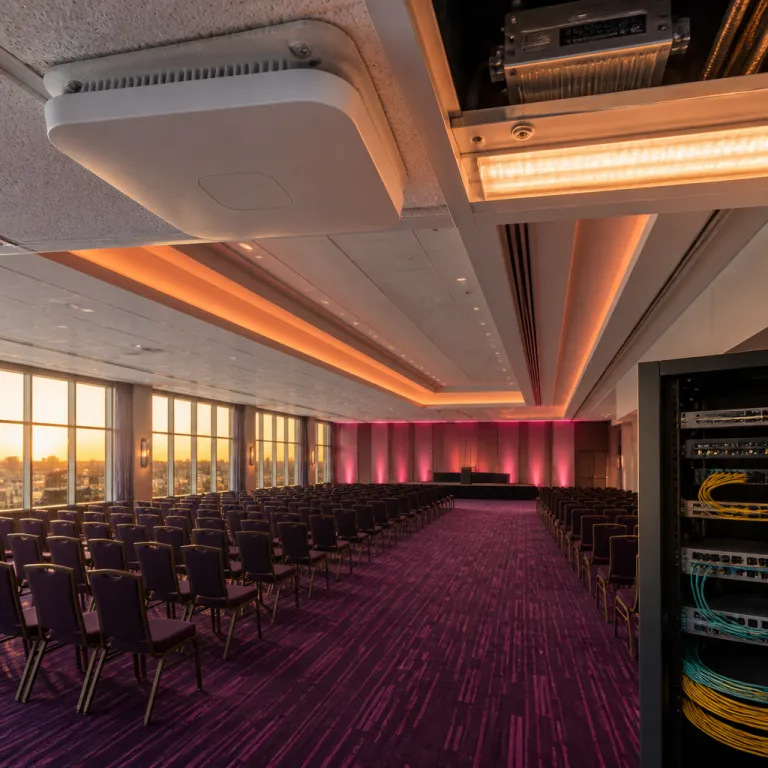
Miami Beach Convention Center did not just refresh its AV; it quietly reset expectations for event technology hotels across the hospitality industry. Following a $620 million renovation program that included more than 400 Wi-Fi access points, full LED conversion and an expanded digital signage network, the venue treated connectivity, lighting and displays as core infrastructure rather than optional upgrades. That shift should worry any hotel group still selling ballrooms on legacy systems. For event decision makers comparing hotels, resorts and large convention venues, the gap between a fully modernized event venue and a traditional hotel ballroom is now visible in every live session, every hybrid stream and every guest experience touchpoint.
The center’s partnership with Smart City Networks for next generation Wi-Fi and LED systems shows how technology, operations and revenue strategy can align around one clear objective: deliver a frictionless event experience at scale. According to public statements from the venue and its partners, including a 2018 City of Miami Beach project summary and Smart City Networks’ convention center portfolio descriptions, the project added hundreds of Wi-Fi 6 and Wi-Fi 6E access points, more than 80 upgraded digital displays and 100 percent LED lighting across exhibit halls and meeting rooms. Convention center leaders understood that event technology is no longer a bolt-on service but a foundation for event management, venue management and management technology across all events hosted on site. When a venue invests at that scale, it is building management systems that support both guest experiences and business outcomes for organizers.
For hotel technology and innovation leads, this is the new baseline against which their own hotels and resorts will be judged by B2B planners. Event professionals now expect an event venue to handle dense traffic from event management software, event apps, live polling and simultaneous HD streaming without a single dropped connection. One senior planner recently summarized it bluntly: “If I have to think about bandwidth, I will not book that property again.” If your hotel still relies on aging management systems, fragmented AV operations and manual workarounds, your event experience will feel dated the moment a planner compares it with a purpose built convention venue running high density Wi-Fi and intelligent LED systems.
What Wi-Fi 7 really changes for hybrid events in hotels
Wi-Fi 7 is not just faster Wi-Fi; it fundamentally changes how event technology hotels can deliver hybrid and high density events. The IEEE 802.11be standard targets throughput up to 30 Gbps, which means a single event venue can support thousands of concurrent connections, multiple live streams and real time collaboration tools without visible latency. For hotel event operations teams, that level of performance turns connectivity from a risk factor into a competitive advantage that directly influences event management decisions and long term revenue.
Hybrid formats push every part of a hotel’s digital infrastructure, from guest Wi-Fi and back of house systems to the management software that runs registration, access control and content delivery. When your hotel technology stack still depends on older wireless standards, every panel discussion, product launch and live demo becomes a bandwidth negotiation between AV, IT and the client’s production agency. By contrast, a Wi-Fi 7 enabled venue event can run multiple HD streams, real time translation, on site editing and sponsor activations simultaneously, while venue management teams monitor performance through unified management systems.
Innovation leaders evaluating upgrades should benchmark their hotels against convention centers that already treat high performance Wi-Fi as standard, not premium. Ask whether your current management technology can prioritize traffic for event apps, streaming platforms and critical business systems while still protecting guest experience in rooms and public spaces. As a quick checklist, confirm that your network can segment guest and event traffic, apply quality of service rules for key applications and surface live performance dashboards to operations teams. For a deeper view on how hybrid formats reshape analytics and post event value, many hotel groups now study specialist analyses on hybrid event analytics that platform vendors rarely expose, then map those insights back to their own event technology and hotel operations roadmaps.
LED, digital displays and the operational math behind the new baseline
Full LED conversion at a large convention venue is not a cosmetic project; it is a structural shift in how events, operations and revenue models interact. When a center replaces hundreds of legacy fixtures with LED systems, it cuts energy consumption, stabilizes lighting quality for live and hybrid production, and frees technical staff to focus on higher value event management tasks. Industry benchmarks from major venues and hotel portfolios suggest that moving to LED can reduce lighting energy use by 50–70 percent and extend lamp life by a factor of 10, which directly improves both sustainability metrics and operating margins. For hotels that still treat lighting as a fixed cost rather than a lever in management technology, the contrast in both guest experience and profitability will only widen.
LED fixtures deliver consistent color temperature and dimming curves, which matters when your ballroom doubles as a broadcast studio for global events. Event technology hotels that combine LED lighting with programmable control systems can pre configure scenes for plenaries, breakouts, gala dinners and panel discussion formats, reducing changeover time and labor costs between events. Over a year of intensive use, that efficiency compounds into measurable revenue gains, especially for hotels and resorts with high meeting occupancy and complex venue event calendars.
Digital displays follow the same logic; they are no longer just wayfinding tools but dynamic revenue and data assets. A network of upgraded screens across a hotel venue can carry sponsor content, real time agenda changes and targeted messaging for different guest segments, all orchestrated through centralized management software. In one large city hotel, replacing static signage with a digital network across lobby, pre function and meeting spaces generated a reported six figure annual uplift in sponsorship and upsell revenue within two years, while also cutting print costs. Commercial leaders linking these capabilities with AI powered group revenue strategies increasingly turn to specialized analyses on AI driven revenue management for group business, using those insights to justify capex on hotel technology that directly supports event experience and long term business growth.
How hotel event teams should audit their tech stack against convention centers
When a convention center installs hundreds of high density access points and completes a full LED conversion, it quietly raises the bar for every hotel selling serious meetings and events. The question for hotel event technology leaders is not whether they can match the scale, but whether their systems, processes and people can deliver a comparable event experience for planners. A structured audit of event technology, venue management and management systems is the only credible starting point for that conversation with ownership and brand leadership.
Begin with connectivity, because every modern event, website integration and digital workflow depends on it. Map coverage and capacity across all event spaces, back of house corridors and pre function areas, then stress test the network with realistic event loads that include live streaming, event apps and simultaneous guest traffic. If your hotel technology cannot maintain stable performance under those conditions, no amount of AV creativity or management software will compensate for the resulting guest experience failures.
Next, evaluate AV, lighting and content systems as a single ecosystem rather than separate line items. Ask whether your venue management tools can coordinate room layouts, power, rigging, LED presets and digital signage from one interface that event managers actually use during live operations. As you document gaps, capture specific examples where planners had to bring in external networks, additional AV or temporary signage to meet their specifications. For commercial teams, the final step is to connect this audit to revenue by quantifying how many events you lose, or discount, because your hotel cannot meet the technical standards that decision makers now consider normal after working in upgraded convention centers.
From capex wish list to actionable roadmap for event technology hotels
Most hotel innovation leaders already know where their event technology is behind; the challenge is turning that awareness into a phased roadmap that owners will fund. Convention center upgrades provide a useful template, because they show how to prioritize projects that simultaneously improve guest experiences, reduce operating costs and unlock new revenue streams. For hotels and resorts, the same logic can guide investments in Wi-Fi 7, LED, digital displays and integrated management technology over several budget cycles.
Start by grouping initiatives into three clusters that align with clear business outcomes. The first cluster focuses on connectivity and core systems, including Wi-Fi 7, network security and the management systems that support both guest and event traffic. The second cluster targets visible event experience elements such as LED lighting, digital signage and in room AV, which directly influence planner perception and the quality of live and hybrid events.
The third cluster addresses software and data, from event management platforms and venue management tools to analytics that tie event performance back to revenue and profitability. When presenting this roadmap to a vice president of operations or a commercial leader, frame each phase in terms of reduced risk, higher event satisfaction scores and incremental revenue from more complex events. For teams evaluating vendors, a practical step is to request a book demo that includes real hotel floor plans, realistic event scenarios and clear integration paths with existing hotel technology, rather than generic sales presentations that ignore the operational realities of busy city hotels.
FAQ
What is Wi-Fi 7 and why does it matter for hotel events ?
Wi-Fi 7 is the latest wireless standard offering higher speeds and lower latency. For hotel events, that means more stable hybrid sessions, smoother event app performance and better support for dense delegate traffic. In practice, it reduces complaints about connectivity and allows hotels to host more complex digital experiences without overloading their systems.
Why are convention centers and hotels upgrading to LED lighting ?
Why are convention centers upgrading to LED lighting? To improve energy efficiency and reduce operational costs. For hotels, LED also delivers more consistent lighting for live streaming, photography and stage design, which directly improves the perceived quality of events. Over time, lower energy use and reduced maintenance help offset the initial investment.
How should a hotel benchmark its event technology against a convention center ?
A hotel should compare coverage, capacity and reliability of its network, then assess AV, lighting and digital signage as an integrated ecosystem. The benchmark is whether the property can support simultaneous sessions, hybrid streaming and heavy app usage without service degradation. If planners regularly bring in extra equipment or external networks, that is a clear signal the current stack is below convention center standards.
What role do management systems play in modern event venues ?
Management systems connect sales, planning, operations and technology into one coordinated workflow. In modern venues, they control room setups, power, lighting presets and digital content while feeding data back into commercial and revenue teams. Without integrated systems, hotels struggle to scale complex events and often rely on manual workarounds that increase risk and cost.
How can hotel teams build a business case for event technology upgrades ?
Hotel teams should link each proposed upgrade to measurable outcomes such as higher event satisfaction, reduced downtime, lower energy costs or the ability to win larger, more technical events. Comparing lost bids or discounts against the capabilities of upgraded convention centers provides concrete evidence for owners. A phased roadmap with clear milestones and payback assumptions usually gains more traction than a single large capex request.