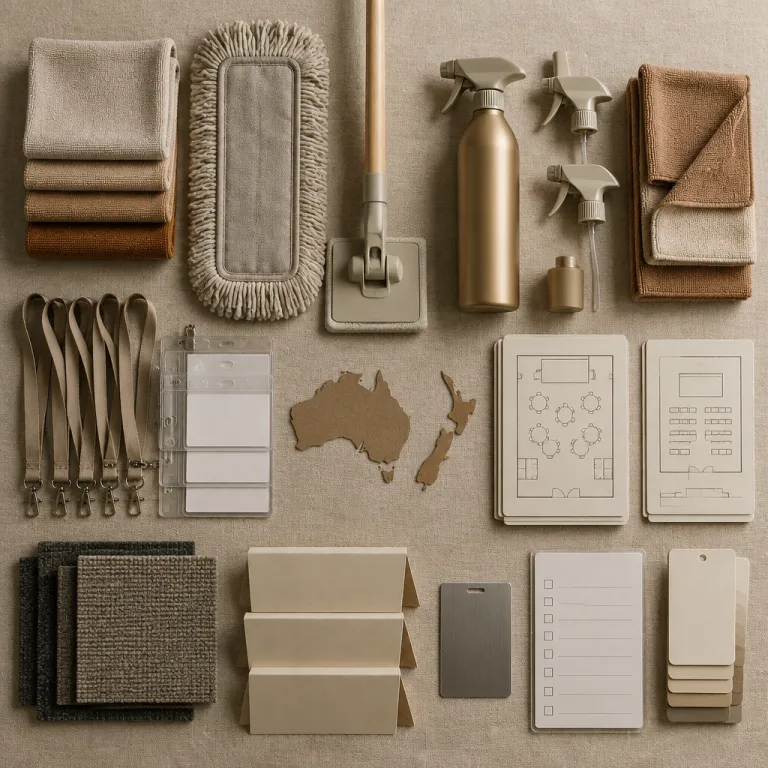
Why national combined services for commercial cleaning now shape MICE operational planning
For MICE planners, the shift toward national combined services for commercial cleaning in Australia and New Zealand has become a strategic lever rather than a back-of-house detail. When a single national cleaning partner can align venue operations across Australia and New Zealand, it transforms how you negotiate contracts, manage risk, and protect event reputation over time. This integrated approach lets your team focus on programme design while specialists handle cleaning maintenance, regulatory compliance, and real-time incident response.
Media-driven expectations around hygiene in the hospitality industry mean that cleaning services now sit alongside audiovisual, catering, and security in every operational planning grid. Event businesses that still treat commercial cleaning as a last-minute add-on often face inconsistent standards, fragmented data, and higher long-term costs across multi-site portfolios. By contrast, MICE organisers who embed national cleaning solutions into their operational playbooks can benchmark cleaning standards, track performance by venue, and align service levels with attendee profiles such as medical congresses or aged care conferences.
For destinations and venues, this evolution is also a commercial opportunity that directly impacts business conversion. Tourism boards and convention bureaux that can present a network of venues supported by coordinated cleaning companies across Australia and New Zealand send a strong signal of quality and care to international associations. In a competitive industry where time to confirm a bid is short, being able to present unified cleaning contracts, clear services commercial descriptions, and measurable sustainability commitments can be the deciding factor.
Designing operational plans around cleaning risk, zoning, and attendee flows
Operational planning for media-focused MICE events now starts with a detailed cleaning risk map that overlays attendee flows, session density, and high-touch zones. For large congresses, this means specifying differentiated commercial cleaning regimes for plenary halls, exhibition floors, office cleaning back-of-house areas, and hospitality lounges rather than one generic cleaning service. When planners work with national combined services for commercial cleaning in Australia and New Zealand, they can replicate proven zoning models across multiple cities with the same team structure and quality controls.
In practice, this risk-based approach translates into precise cleaning maintenance schedules that are synchronised with programme timings and media moments. For example, retail cleaning protocols for sponsor activation zones must be executed quickly between sessions, while industrial cleaning tasks for loading docks and waste areas are better scheduled overnight to avoid operational conflicts. Medical cleaning standards for healthcare congresses require dedicated cleaners trained in infection control, with data logged in real time to reassure both organisers and exhibitors.
Multi-site events that span hotels, convention centres, and off-site venues benefit most from a unified cleaning company that can coordinate teams, equipment, and supplies across the full footprint. This is where national cleaning providers in Australia and New Zealand can offer bundled services commercial packages that cover office cleaning for secretariats, care cleaning for VIP suites, and high-quality retail cleaning for public foyers under a single set of contracts. A recent cardiology congress delivered across Sydney and Auckland, for example, used one national provider to standardise touchpoint disinfection and restroom checks; according to the organising committee’s internal debrief, post-event cleanliness scores rose by approximately 15% compared with the previous edition, based on like-for-like survey questions.
Aligning cleaning contracts, KPIs, and commercial models with MICE objectives
For B2B agencies and hotel sales directions, the real power of national combined services for commercial cleaning in Australia and New Zealand lies in contract architecture. Instead of fragmented local agreements, you can negotiate national cleaning frameworks that define shared KPIs, cleaning standards, and escalation procedures across all participating venues. This contract consolidation reduces administrative time, improves leverage on pricing, and clarifies responsibilities when events involve multiple businesses and destinations.
Effective contracts translate operational needs into measurable indicators that both the cleaning company and the venue team can track. Typical KPIs include response time to incidents, audit scores on cleaning maintenance, and guest satisfaction ratings linked to cleanliness in post-event surveys. For medical cleaning or aged care related congresses, additional metrics around infection control compliance and care cleaning protocols are essential, while industrial cleaning zones may be measured on safety incidents and equipment readiness.
Commercial models are also evolving as venues seek to align cleaning services with revenue strategies and commissionable structures for agencies. Some destinations now integrate premium commercial cleaning options into tiered venue packages, allowing planners to choose between standard and high-quality hygiene levels depending on attendee expectations. This approach mirrors the thinking outlined in the analysis of how commissionable rate strategies elevate media MICE performance, where transparent value propositions help agencies justify higher budgets to corporate clients.
Leveraging data, real time monitoring, and technology for operational excellence
Digitalisation has turned cleaning from a largely invisible back-office function into a data-rich operational pillar for media MICE events. National combined services for commercial cleaning in Australia and New Zealand now deploy sensors, mobile apps, and QR-based reporting to capture data in real time across venues. For organisers, this means that cleaning services can be monitored with the same precision as registration flows or session attendance.
Smart dispensers, occupancy counters, and digital checklists allow cleaning companies to adjust work schedules dynamically based on actual usage rather than static timetables. When a breakout area suddenly fills due to a programme change, the cleaning team can be redirected instantly, preserving both quality and safety standards. This level of responsiveness is particularly critical for medical cleaning zones, where any deviation from agreed cleaning standards must be corrected without delay to protect both delegates and staff.
For destinations managing multi-site events, centralised dashboards aggregate data from different venues across Australia and New Zealand, giving tourism offices and convention bureaux a consolidated view of performance. These insights help refine long-term contracts, identify high-performing teams, and justify investments in new equipment or training. To understand how broader hospitality technology trends intersect with operational planning, the feature on key hospitality technology categories to benchmark highlights how IT directors now evaluate cleaning-related solutions alongside guest-facing systems.
Embedding sustainability and care centric cleaning into MICE venue strategies
Sustainability expectations from corporate clients and associations are reshaping how cleaning is specified in RFPs and operational plans. National combined services for commercial cleaning in Australia and New Zealand increasingly position themselves as partners in environmental performance, not just suppliers of basic services. For MICE planners, this opens the door to integrating cleaning services into broader sustainability narratives that cover waste management, water use, and chemical reduction.
Green-certified products, microfibre systems, and energy-efficient equipment now form part of many cleaning maintenance proposals, especially for venues targeting international congresses. When cleaning companies can document reductions in chemical consumption or water usage with robust data, destinations can include these achievements in their bids and post-event reports. Care cleaning approaches are also gaining traction in aged care related events, where the emphasis is on both environmental impact and the wellbeing of vulnerable participants.
Social sustainability is another dimension where national cleaning providers can support hospitality businesses and venues. Stable employment models, training programmes for cleaners, and inclusive recruitment policies contribute to community impact indicators that many associations now request. For office cleaning and retail cleaning operations within large convention centres, transparent labour practices and clear communication with the on-site team reinforce trust between organisers, venues, and service providers over the long term.
From back of house to brand asset : positioning cleaning as a media ready differentiator
In media MICE, every operational detail can become part of the story that destinations and venues project to the market. National combined services for commercial cleaning in Australia and New Zealand allow hospitality businesses to turn hygiene excellence into a visible brand asset rather than a silent obligation. When cleaning standards are consistently high across a portfolio, sales teams can confidently promote this reliability to agencies and corporate clients.
Media tours, site inspections, and influencer visits increasingly include behind-the-scenes glimpses of how venues manage safety, cleanliness, and staff wellbeing. A well-briefed cleaning team that understands event objectives and guest profiles can contribute to this narrative by demonstrating professionalism and care in their work. For multi-site events, showing that the same high-quality cleaning service operates across hotels, convention centres, and off-site venues reinforces the perception of a coherent, well-managed destination.
As MICE organisers refine their operational playbooks, cleaning companies that operate at a national scale across Australia and New Zealand are becoming strategic allies in bid development and client retention. By integrating commercial cleaning, industrial cleaning, and specialised medical cleaning into early planning stages, destinations can reduce operational risk while elevating perceived value. Over time, this alignment between cleaning, services commercial, and brand positioning will differentiate the most competitive MICE cities in the region.
Key figures shaping cleaning strategies for MICE venues
- According to Tourism Research Australia’s business events analysis (for example, the “Business Events: Results for Year Ending June 2019” series), business events contribute more than AUD 4 billion in direct expenditure annually, which means that even a small percentage gain in venue hygiene satisfaction can translate into tens of millions in repeat business for destinations.
- Data summarised by the Global Biorisk Advisory Council (GBAC) in its accreditation programme materials indicate that venues with certified cleaning standards report up to 20% higher attendee confidence scores, a critical factor for medical congresses and aged care related events.
- Research published by the Green Building Council of Australia on green cleaning and building performance reports that sustainable cleaning practices can reduce chemical usage by around 30% and water consumption by approximately 20%, helping venues align operational cleaning maintenance with corporate sustainability targets.
- Industry surveys from the International Association of Convention Centres (AIPC) highlight that more than 70% of venue managers now include detailed cleaning services descriptions and KPIs in their primary sales collateral for MICE clients.
- Studies on workplace hygiene in office cleaning environments across Australia and New Zealand, referenced in facility management and property industry reports, have linked improved cleaning regimes to productivity gains of 2–5%, reinforcing the business case for high-quality, data-driven cleaning service models in hospitality settings.
FAQ : cleaning strategies for Média MICE and hospitality venues
How should MICE planners evaluate a national cleaning company for multi site events ?
Planners should assess whether the provider can deliver consistent cleaning standards across all relevant cities in Australia and New Zealand, with clear KPIs and real-time reporting. It is essential to review references from similar businesses, including large congresses and corporate events, and to verify that the company can handle specialised needs such as medical cleaning or industrial cleaning. Contract structures should also allow for flexible scaling of teams and services as registration numbers evolve.
What cleaning data should be included in post event reports for corporate clients ?
Post-event reports should summarise audit scores, incident response times, and guest satisfaction metrics related to cleanliness. For events with specific risk profiles, such as healthcare or aged care conferences, organisers should also include compliance data on agreed cleaning standards and any corrective actions taken. Where sustainability is a priority, reports should highlight reductions in chemical use, water consumption, or waste linked to cleaning services.
How can destinations integrate cleaning into their MICE sales narrative without overwhelming clients ?
Destinations should position cleaning as a reassurance factor that underpins the overall event experience rather than as a technical deep dive. This means presenting national combined services for commercial cleaning in Australia and New Zealand as part of a broader safety and quality framework, supported by concise data points and certifications. Sales teams can then tailor more detailed cleaning maintenance information for clients in sensitive sectors such as healthcare, pharmaceuticals, or aged care.
What role does technology play in modern commercial cleaning for MICE venues ?
Technology enables cleaning companies to move from static schedules to dynamic, data-driven operations that respond to actual attendee behaviour. Tools such as occupancy sensors, mobile task management, and digital audit systems help teams prioritise high-traffic areas and document compliance with cleaning standards. For organisers, this translates into greater transparency, faster problem resolution, and stronger evidence of duty of care.
Why is it important to differentiate between office cleaning, retail cleaning, and industrial cleaning in event planning ?
Each cleaning category involves different risks, equipment, and skill sets, so grouping them together can lead to gaps in service quality. Office cleaning focuses on workspaces and back-of-house areas, retail cleaning targets public zones with high visual impact, and industrial cleaning addresses technical spaces such as loading docks or plant rooms. Clear differentiation in contracts and operational plans ensures that the right cleaners, products, and procedures are applied to each zone, improving both safety and guest perception.