Rope access commercial cleaning for high-density MICE venues
Why rope access commercial cleaning matters for high density MICE venues
For large convention centres and congress hotels, the way you manage vertical cleaning operations now shapes both guest perception and event safety. When you evaluate a specialist such as Rope Trades Commercial Cleaning as a strategic partner, you are really assessing how rope access techniques can secure façade presentation, structural integrity, and operational continuity for demanding MICE calendars. In a media driven MICE environment, pristine properties and visibly controlled working at height are no longer a luxury but a baseline expectation.
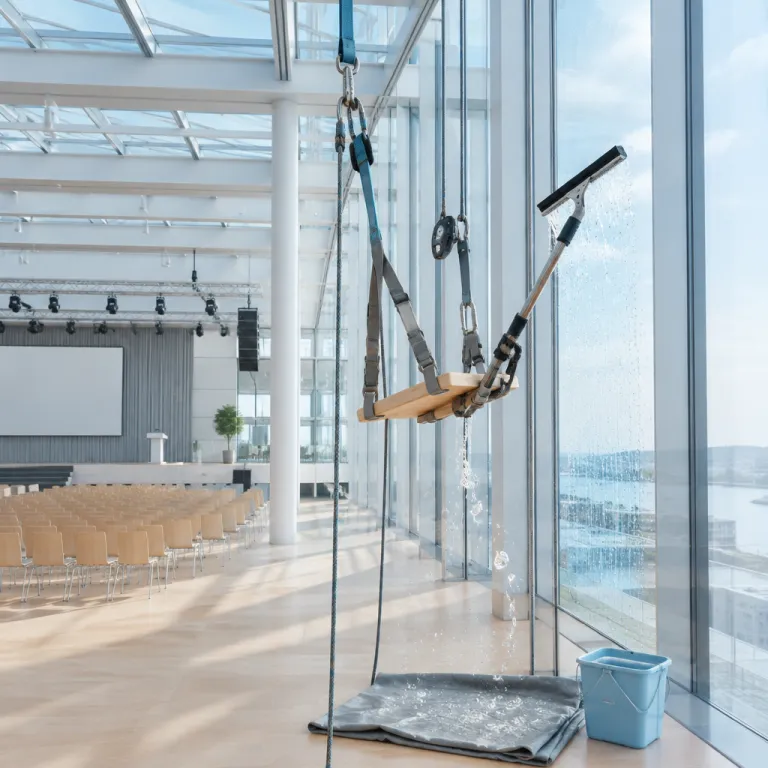
Rope based access services allow technicians to reach glass roofs, atriums, and complex façades without disruptive scaffolding that blocks loading bays for days. In dense urban destinations such as Sydney, Australia or inner city south Sydney, this rope access approach frees ground level space for exhibition logistics, VIP arrivals, and broadcast trucks. For event managers and hotel supervisors, the difference between traditional construction style platforms and agile industrial rope methods often translates into extra sellable dates and higher commercial yield.
When you compare providers, look beyond generic cleaning services and focus on how rope trades integrate with your building maintenance strategy. A specialised access technician or team of access technicians should understand not only safety rules but also the operational rhythms of congress business and media production. That is where Rope Trades Commercial Cleaning can align façade maintenance, cleaning maintenance, and concrete repairs with your event production schedule instead of working against it.
Integrating rope access into operational planning for congress hotels
Operational planning for media focused MICE venues must now include a vertical maintenance grid alongside the usual room blocks and banquet forecasts. When you map your annual event calendar, schedule rope access work such as façade cleaning, signage installation, and structural inspections into low demand days rather than peak congress periods. This integration allows supervisors and managers to protect revenue while still meeting strict safety and building maintenance obligations.
In practice, commercial residential mixed use properties with large ballrooms and broadcast studios need different access services than pure office towers. A south facing façade in South Wales or a waterfront tower in Sydney, Australia will accumulate salt, dust, and pollution at different rates, which affects both cleaning maintenance frequency and the type of industrial rope equipment required. For B2B event agencies and hotel sales teams, understanding these technical constraints helps you negotiate realistic handover times with clients who expect flawless branding surfaces.
Banqueting and F&B leaders often worry that external works will disrupt service flows or late RSVPs for high profile galas. Detailed coordination between the rope access supervisor, the internal trade assistant teams, and the banquet managers can minimise risk by locking in clear time windows and access routes. For a deeper view on how to protect margins while planning around such constraints, many venue leaders now study specialised guidance on forecasting late RSVPs without burning the F&B margin.
Safety, working heights, and guest experience in media heavy events
High profile media events bring camera cranes, LED walls, and temporary constructions that push working heights and safety considerations to the limit. When Rope Trades Commercial Cleaning teams operate alongside rigging crews, the rope access supervisor must coordinate every movement to protect both technicians and delegates. This coordination becomes even more critical in compact districts such as south Sydney, where public access, hotel entries, and service yards overlap.
Professional access technicians and each individual access technician must hold recognised certifications for working at height, rescue procedures, and industrial rope handling. According to the Industrial Rope Access Trade Association (IRATA), member companies recorded a lost-time injury rate of around 0.6 per 100,000 hours worked in 2022, significantly lower than many traditional working at height methods, which reassures MICE planners focused on risk management (IRATA, 2022 Safety Report). Many destinations in Australia and Wales now include rope access safety metrics in their venue inspection checklists, reflecting a broader shift toward transparent operations.
Guest perception also depends on sensory details such as light, sound, and the visual cleanliness of glass and stone surfaces. Clean façades and well maintained skylights enhance natural light levels, which in turn support better recall for conference content and sponsor messages. Venue strategists exploring this link between environment and memory often refer to research on what scent, sound, and light calibration actually deliver in conference recall, then align their cleaning maintenance schedule with key content heavy events.
From façade maintenance to media ready backdrops for hybrid production
Hybrid and broadcast driven events demand façades and roofs that can double as media backdrops, sponsor canvases, or drone shot stages. Rope trades specialists working in commercial residential and pure commercial properties can prepare these surfaces through targeted façade maintenance, concrete repairs, and precision cleaning that respects both structural and aesthetic requirements. When Rope Trades Commercial Cleaning teams understand media framing, they can prioritise the exact zones that will appear in live streams and press photography.
In Sydney, Australia and coastal South Wales, weathered concrete and glass can quickly undermine a destination’s premium positioning if not treated with regular building maintenance. Industrial rope methods allow a multi trade crew to combine cleaning, sealant application, and minor construction repairs in a single operation, reducing the number of days that façades remain partially treated. For operations managers, this bundled approach simplifies budgeting and contract management, because one business partner handles several related services under a unified safety framework.
Media MICE organisers should also consider how rope access services can support temporary branding, such as large format banners or projection mapping rigs. Access technicians can install and remove these elements with minimal disruption, working outside peak arrival and departure waves to protect guest flow. When evaluating proposals, ask whether the provider can supply a full time rope access technician on standby during major congresses, ready to respond if wind, rain, or technical issues affect external branding assets.
Contracting models, staffing, and policy frameworks for venue leaders
Choosing the right contracting model for rope access services is now a strategic decision for hotel commercial directors and destination venue managers. Some properties prefer a full time in house access technician or small rope team, while others rely on external Rope Trades Commercial Cleaning partners for scheduled and on demand work. The optimal mix depends on façade complexity, event density, and the level of media exposure your venue typically handles.
Where event calendars are intense and lead times are short, a hybrid model often works best, combining internal trade assistant roles with external multi trade crews for peak periods. This structure allows supervisors to maintain baseline cleaning maintenance and safety checks, then scale up quickly for large congresses or construction related refurbishments. In both Australia and Wales, labour regulations and working at height standards require clear documentation of competencies, insurance, and rescue plans, so managers must treat these contracts with the same rigour as technical production agreements.
Digital governance also matters, especially when rope access providers use online portals for scheduling, incident reporting, or sharing façade inspection images. Venue websites and booking engines must align their privacy and policy cookie statements with these external platforms to protect guest and client data. For a broader view on how such integrations can affect hotel operations, many commercial leaders now examine case studies on AI powered booking integrations that convention hotels often deploy incorrectly, then apply similar governance principles to technical supplier ecosystems.
Aligning rope access strategies with destination branding and sustainability
Destinations competing for high value media MICE business increasingly position their skylines and waterfronts as part of the event product. Rope access strategies, including how you contract Rope Trades Commercial Cleaning, therefore influence not only safety and operations but also the visual narrative that tourism boards promote. Clean, well maintained façades in Sydney, South Wales, or other Australia gateway cities reinforce messaging about innovation, reliability, and guest care.
Sustainability objectives add another layer, because industrial rope methods typically require fewer heavy machines and less intrusive construction equipment than traditional access solutions. This reduction in ground level footprint can lower emissions from transport and minimise noise pollution during sensitive conference days, supporting venue ESG commitments. Managers should request data on water usage, chemical profiles, and waste handling from their cleaning services providers, then integrate these metrics into destination wide sustainability reports.
For offices de tourisme and convention bureaux, promoting rope access best practices among member properties can become a differentiator in bids for global congresses. Coordinated training programmes for supervisors, technicians, and operations managers help standardise safety and quality benchmarks across the destination. When every building maintenance partner, from trade rope specialists to multi trade contractors, operates under aligned standards, the entire business ecosystem becomes more resilient and more attractive to risk conscious event planners.
Key statistics shaping rope access and MICE venue maintenance
- According to the Industrial Rope Access Trade Association, rope access methods account for a significantly lower incident rate than many traditional working at height techniques, with IRATA’s 2022 safety report indicating a lost-time injury frequency rate of approximately 0.6 per 100,000 hours worked (IRATA, 2022).
- Data from Safe Work Australia show that falls from height were responsible for 11% of worker fatalities between 2017 and 2021, underlining why supervisors must prioritise certified access technicians and robust rescue plans for every operation (Safe Work Australia, 2023).
- Analysis from the Melbourne Convention and Exhibition Centre and the International Convention Centre Sydney indicates that façade and roof cleaning scheduled during low demand periods can reduce operational disruption by double digit percentages, freeing more days for revenue generating events (MCEC & ICC Sydney, 2021 internal reporting).
- Energy efficiency research from the U.S. Department of Energy has demonstrated that clean glass façades can improve natural light penetration enough to reduce daytime lighting needs, which supports both sustainability goals and more comfortable conference environments (U.S. DOE, 2020).
FAQ about rope access commercial cleaning for MICE venues
How does rope access differ from traditional façade cleaning for hotels ?
Rope access uses technicians suspended on ropes rather than scaffolding or large platforms, which reduces ground level obstruction and setup time. For MICE hotels, this means loading docks, entrances, and event spaces remain more accessible during maintenance work. The method is particularly effective on complex façades and atriums common in modern convention properties.
What should event planners ask when assessing a rope access provider ?
Planners should request proof of certifications, detailed safety procedures, and evidence of experience in active hospitality or MICE environments. It is also important to ask how the provider coordinates with internal operations teams to avoid peak arrival, departure, and session times. Finally, clarify response times for urgent issues such as damaged branding or unexpected façade stains before major media events.
Can rope access support event production beyond cleaning tasks ?
Yes, trained technicians can assist with installing banners, lighting brackets, and certain types of temporary signage on building exteriors. They can also support inspections of rigging points, glass roofs, and structural elements that affect event safety. These additional services should be clearly scoped in contracts to ensure compliance with local regulations and insurance requirements.
How often should a busy convention venue schedule façade maintenance ?
The optimal frequency depends on climate, pollution levels, and façade materials, but many urban venues plan at least two major cleaning cycles per year. High profile properties in coastal or high traffic areas may require quarterly interventions to maintain brand standards. Aligning these cycles with low season periods helps protect both guest experience and revenue.
What role do hotel commercial teams play in rope access planning ?
Commercial directors and sales managers must integrate maintenance windows into long term event calendars and contracting strategies. By communicating clear blackout dates and buffer periods to both clients and rope access providers, they reduce the risk of last minute conflicts. This proactive approach supports stronger client trust and more reliable operational performance.