From aspiration to procurement filter in the hotel MICE business
World Tourism Day lands this season with a blunt message for every hotel MICE business leader. Corporate buyers now treat sustainability in the hospitality industry as a non negotiable filter for business events, not a nice to have talking point in glossy text on a brand page. If your hotels cannot document performance, your competitors will quietly take the meetings, incentives, conferences, exhibitions and the repeat business that follows.
Across the mice industry, RFPs for conferences and meetings now arrive with detailed sustainability clauses that cut straight through marketing language. Planners for mice events want hard data on carbon per room night, certified hotel venue credentials, single use plastic removal, EV charging capacity and food waste tracking for conferences exhibitions and incentives conferences. The shift is structural for tourism and travel, because mice travellers now carry corporate ESG scorecards into every convention and event management decision they make.
This is reshaping how hotels mice teams design their sales strategy for business events and mice meetings. The front desk and sales équipe can no longer improvise answers when a client asks about renewable energy sourcing or local community impact linked to a specific venue. In the hotel MICE business, sustainability performance has become a commercial language that connects hotels, clients, attendees and destinations across the wider mice tourism ecosystem.
What 100 percent sustainable RFPs mean for hotel sales and pricing power
For a VP overseeing a portfolio of hotels, the new mice business reality is simple. When 100 percent of corporate RFPs in meetings incentives and conferences now include at least one sustainability requirement, your sales pipeline depends on documented performance, not aspirational hospitality language. The hotel MICE business is moving into a phase where sustainability shapes rate, conversion and long term client retention across all key markets.
Radisson Hotel Group’s move to scale its Verified Net Zero program toward 100 hotels by 2030, with pilots in Manchester and Oslo, shows how the hospitality industry is monetising this shift. With guest awareness above 70 percent and roughly 20 percent of guests booking because of net zero status, the group is turning certification and third party verification into a pricing and hotel marketing advantage for both leisure and mice travellers. That is the commercial benchmark now facing every hotel venue that wants to compete for high value mice meetings, conferences exhibitions and incentives conferences.
Procurement teams for large business events now score hotels on evidence, not intention, and they compare hotels across regions with spreadsheet level discipline. They expect clear link text in proposals that points to independent certifications, carbon calculators and operational policies, not vague link promises to future initiatives. For hotel MICE business leaders, this means aligning revenue management, event management, operations and sustainability teams so that every event, from small meetings to major convention rotations, can withstand audit level scrutiny from any client.
Documentation beats intention : turning sustainability into a sales asset
Most hotel MICE business portfolios already run dozens of sustainability initiatives behind the scenes. The problem is that these efforts rarely surface in a way that procurement teams for mice events can score, compare and reward during the RFP process. Without structured documentation, your hotels risk looking less advanced than competitors that simply present their data better for business events and mice tourism buyers.
Start by building a unified sustainability scorecard for every hotel venue in your group, aligned with the most common mice industry asks. That scorecard should quantify energy mix, water use, waste diversion, single use plastic policies, sustainable catering options and accessibility for EV travel, then translate these metrics into clear text that sales teams can paste directly into RFP responses. When your équipe standardises this documentation, you turn a fragmented story into a coherent hotel marketing asset that supports both local meetings and global conferences exhibitions.
Next, embed this scorecard into your sales playbook for the hotel MICE business, alongside floor plans, capacities and F&B minimums. Train front desk and sales managers to reference specific data points when a client or attendees ask about the environmental impact of their event or convention. For deeper commercial impact, align your sustainability narrative with the shift in convention hotel positioning analysed in this convention hotel category benchmark, so that your hotels mice portfolio can argue for premium placement in headquarters style business events.
From green claims to MICE ready sustainability infrastructure
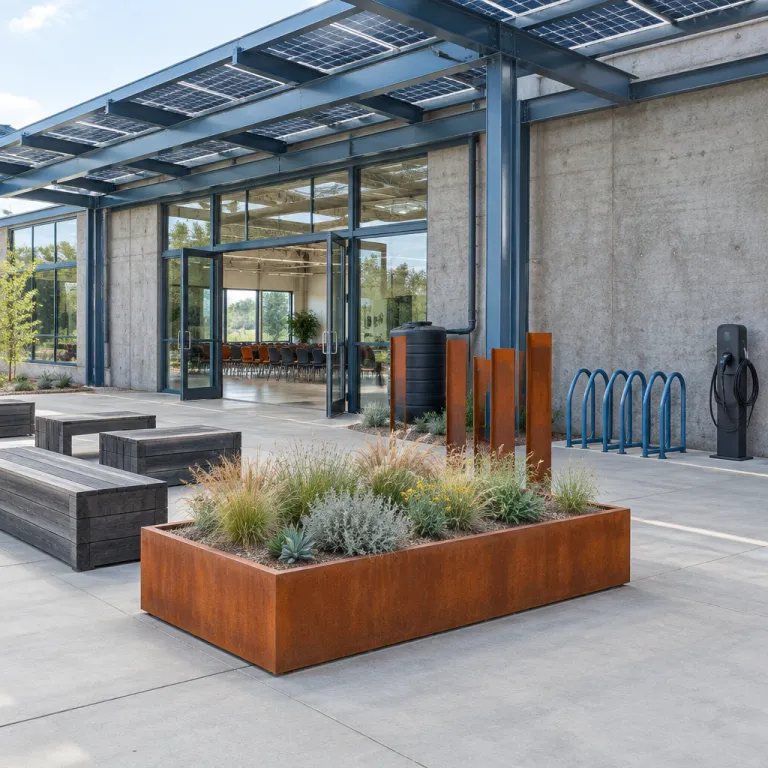
World Tourism Day is an ideal moment for every hotel MICE business to audit its physical and digital readiness for sustainability driven RFPs. Buyers in the hospitality industry now look beyond policy documents to the hard infrastructure that shapes the attendee experience during mice meetings and events. They want to see EV charging bays, efficient HVAC systems, low waste banquet operations and digital tools that reduce paper and unnecessary travel.
On the digital side, the next wave of hotel marketing for mice business will integrate sustainability data directly into booking and planning workflows. Event planners already expect a seamless link between their event management platform and the hotel’s inventory, and they increasingly want that link to surface carbon data and sustainable options in real time. The strategic implications for hotel MICE business leaders are explored in this analysis of AI enabled hotel booking inside event platforms, which shows how room block negotiations and sustainability preferences will converge.
Operationally, hotels mice teams must ensure that sustainability commitments survive contact with the actual event, from the front desk check in to the final banquet. That means training staff to explain choices to each client and to attendees, such as why tap water replaces bottled water or how local sourcing reduces emissions for business events. Over time, consistent delivery builds trust, drives repeat business from mice travellers and positions your venues as reliable partners for the most demanding mice tourism programs.
RFP ready sustainability playbook for hotel MICE leaders
To compete in this new hotel MICE business landscape, senior leaders need a practical, RFP ready playbook. First, map the top ten sustainability questions that your sales équipe receives from clients across meetings, incentives conferences and conferences exhibitions, then standardise the answers with verified data. This reduces response time, improves consistency and signals to procurement teams that your hotels understand the language of ESG in the mice industry.
Second, integrate sustainability KPIs into your revenue and account management dashboards for business events. Track how many mice events you win or lose on sustainability grounds, how often clients ask for carbon reporting, and how many long term contracts include explicit environmental clauses. Over several RFP cycles, these données will show whether your investments in hotel venue upgrades, staff training and certification are translating into measurable mice business growth.
Third, use World Tourism Day as a communication moment to brief key client accounts on your progress, not with marketing slogans but with concise text and clear metrics. Share how many hotels in your portfolio now carry credible certifications, how your convention properties compare to peers and where you plan to invest next in the hospitality industry. Done well, this positions your group as a transparent partner in mice tourism, ready to align with corporate climate strategies while still delivering the high touch hospitality that keeps attendees engaged throughout their travel and event experience.
FAQ : sustainability and the hotel MICE business
How are sustainability requirements changing MICE RFPs for hotels ?
Corporate buyers now include sustainability clauses in almost every RFP for meetings, incentives, conferences and exhibitions. They ask hotels for certifications, carbon per room night data, plastic reduction policies and sustainable catering options, and they score responses with the same rigour as rate and space. Hotels that cannot provide clear documentation risk being excluded from shortlists before any site visit or venue tour.
Which sustainability metrics matter most for MICE clients and attendees ?
For mice travellers and event planners, the most relevant metrics include energy mix, carbon emissions per attendee, waste diversion rates and food sourcing practices. Accessibility for public transport and EV charging also influences venue selection, especially for large business events and conventions. These metrics help clients align their mice tourism programs with corporate ESG targets while maintaining a strong on site experience.
How can hotel groups turn sustainability into a commercial advantage ?
Hotel groups can treat sustainability as a core part of their hotel marketing and sales strategy, not a side project. By standardising data, securing credible certifications and training sales teams to use this information in proposals, they can justify premium positioning for key hotels mice properties. Over time, this approach supports higher conversion, stronger repeat business and deeper partnerships with high value clients.
What role does technology play in sustainable MICE event management ?
Technology connects sustainability data with the daily decisions of event management and travel planning. Integrated booking tools, carbon calculators and digital signage reduce paper use, optimise room blocks and help planners design lower impact mice events. As AI driven platforms mature, they will increasingly surface sustainable options automatically during venue selection and contract negotiation.
How should hotel executives prepare their teams for sustainability focused RFPs ?
Executives should equip their équipes with clear playbooks, verified data and scenario based training. Front desk, sales and operations teams need to answer detailed questions from any client about sustainability practices during meetings and conferences. Regular internal reviews ensure that what is promised in RFP text is consistently delivered on site for every event and convention.