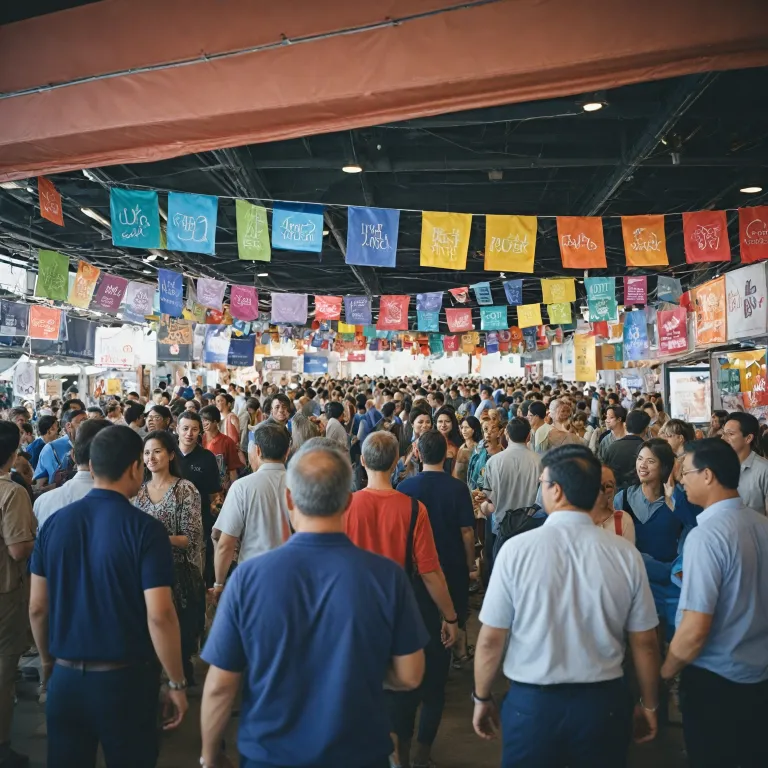
Elevating brand presence through in-person events: A catalyst for authentic engagement
In-person events have become an essential pillar for brands seeking to build genuine connections and foster long-term community engagement. The immersive nature of live events allows brands to create memorable experiences that resonate with attendees, reinforcing brand presence in ways digital channels cannot replicate. By integrating event planning into their overall marketing strategy, brands can achieve business goals such as increased brand trust, higher attendee engagement, and a lasting impression that extends well beyond the event itself.Branding at in-person events is not just about visibility; it is about creating brand experiences that attendees remember and share. These experiences are crafted through thoughtful event planning, attention to detail, and a focus on delivering value to the community. The opportunity to engage with attendees face-to-face enables brands to build trust, gather real-time feedback, and adapt their strategy to meet evolving needs. This direct engagement is a cornerstone of brand building, allowing for the creation of a community that feels connected and valued.
For organizers, leveraging live events as part of a comprehensive marketing approach is crucial. The integration of digital tools, such as social media and emails, enhances event engagement and amplifies the reach of brand messaging. However, it is the physical interaction and the ability to share experiences in real time that truly sets in-person events apart. Brands that prioritize these opportunities are better positioned to achieve their business objectives and establish a strong, enduring presence in their industry.
Building trust and credibility: The impact of face-to-face interactions
Trust is the foundation of any successful brand, and in-person events offer a unique platform for building and reinforcing this trust. When attendees interact directly with brand representatives, they experience the authenticity and transparency that digital channels often lack. This personal connection fosters a sense of community and loyalty, which is essential for long-term brand growth.Event engagement is significantly enhanced when brands focus on creating memorable experiences that attendees can relate to and share. These experiences contribute to brand building by establishing emotional connections and encouraging attendees to become advocates for the brand. The ability to provide immediate responses to questions and concerns during live events further strengthens brand trust and demonstrates a commitment to customer satisfaction.
According to industry data, "In-person events facilitate direct human interactions, fostering trust and deeper connections that are often more challenging to achieve virtually. They also provide immersive experiences that engage multiple senses, leading to stronger brand recall." This highlights the importance of incorporating in-person events into a brand's overall strategy. For more insights on effective event planning and attendee engagement, explore our comprehensive guide on event engagement strategies.
From digital to physical: Integrating online and offline strategies for maximum impact
The synergy between digital marketing and in-person events is a powerful driver of brand success. Brands that effectively combine online and offline strategies can maximize event engagement and create a seamless experience for attendees. Social media platforms, emails, and digital marketing campaigns play a crucial role in promoting events, driving registrations, and maintaining post event communication.During the event, digital tools such as event management software and on-site engagement technologies enhance the attendee experience and facilitate data collection. This integration allows brands to measure the effectiveness of their event planning efforts and adjust their strategy to achieve better results. Post event, brands can continue to engage with attendees through targeted emails, social media interactions, and follow-up content that reinforces the brand message.
Hybrid event models, which combine in-person and virtual elements, are becoming increasingly popular. They offer brands the flexibility to reach a larger audience while maintaining the benefits of face-to-face interactions. For a deeper exploration of hybrid event strategies and their impact on business goals, visit our resource on hybrid event best practices.
Creating memorable experiences: The art and science of event planning
Successful event planning requires a deep understanding of the audience, clear business objectives, and a commitment to delivering exceptional brand experiences. Brands must focus on creating memorable experiences that leave a lasting impression on attendees and encourage them to share experiences within their networks. This approach not only enhances brand presence but also drives community engagement and supports long-term business growth.Event organizers play a critical role in designing events that align with the brand's strategy and values. By leveraging local partnerships, innovative technologies, and creative branding techniques, organizers can deliver experiences that stand out in a crowded marketplace. The use of data analytics to measure attendee engagement and event success enables brands to refine their approach and achieve better outcomes.
For brands operating in the hospitality sector, the integration of sustainable practices and a strong privacy policy are increasingly important. Attendees value transparency and ethical conduct, which contribute to brand trust and loyalty.
Driving business goals through community and attendee engagement
Community engagement is a key driver of business success in the events industry. Brands that invest in building strong relationships with their audience through in-person events are more likely to achieve their business goals and generate high-quality leads. The ability to engage attendees in meaningful ways, both during and after the event, is essential for creating a loyal community and driving long-term growth.Event engagement strategies should focus on fostering interaction, encouraging feedback, and providing opportunities for attendees to share experiences. This not only enhances the overall experience but also contributes to brand building by creating a sense of belonging and ownership among attendees. The use of social media and digital channels to amplify event engagement and maintain communication post event is critical for sustaining momentum and reinforcing brand presence.
Brands that prioritize community engagement and invest in creating memorable experiences are better positioned to achieve a lasting impression and drive business results. The integration of live events into the broader marketing strategy ensures that brands remain relevant and top-of-mind for their target audience.
Measuring success: Metrics, feedback, and the future of in-person events
Measuring the success of in-person events is essential for optimizing future event planning and achieving business objectives. Brands should utilize a combination of quantitative and qualitative metrics, including attendee satisfaction surveys, lead conversion rates, social media engagement, and return on investment (ROI) analysis. These insights enable brands to refine their strategy and enhance the effectiveness of their events.According to industry experts, "Success can be measured through various metrics such as attendee satisfaction surveys, lead conversion rates, social media engagement, and return on investment (ROI) analysis." This data-driven approach ensures that brands can demonstrate the value of their events and make informed decisions about future investments. The continued evolution of hybrid event models and the integration of innovative technologies will shape the future of the events industry.
As brands navigate the challenges and opportunities of the modern events landscape, a focus on creating memorable experiences, building trust, and fostering community engagement will remain paramount. By embracing these principles, brands can achieve their business goals and establish a strong, enduring presence in the marketplace.
Key statistics: The impact of in-person events on brand strategy
- 78% of event organizers identify in-person events as the most impactful marketing channel.
- 89% of businesses state events are vital to achieving key business objectives.
- 50% of marketers report improved ROI from event investments.
- 72% of attendees value networking most at in-person conferences.
- 83% of marketers include in-person events in their strategy.
- 47% of event marketers report in-person events deliver the highest ROI.
Frequently asked questions about in-person events and brand strategy
Why are in-person events considered more effective than virtual events?
In-person events facilitate direct human interactions, fostering trust and deeper connections that are often more challenging to achieve virtually. They also provide immersive experiences that engage multiple senses, leading to stronger brand recall.
How do in-person events contribute to lead generation?
Attendees of in-person events are often more engaged and interested, leading to higher-quality leads. The face-to-face interactions allow for immediate feedback and relationship building, which can accelerate the sales process.
What are the challenges associated with organizing in-person events?
Challenges include logistical complexities, higher costs compared to virtual events, ensuring attendee safety, and adapting to evolving health guidelines. However, the potential benefits often outweigh these challenges.
How can brands measure the success of in-person events?
Success can be measured through various metrics such as attendee satisfaction surveys, lead conversion rates, social media engagement, and return on investment (ROI) analysis.
Are hybrid events a viable alternative to purely in-person events?
Yes, hybrid events combine the benefits of both in-person and virtual formats, allowing brands to reach a wider audience while still providing opportunities for face-to-face interactions.