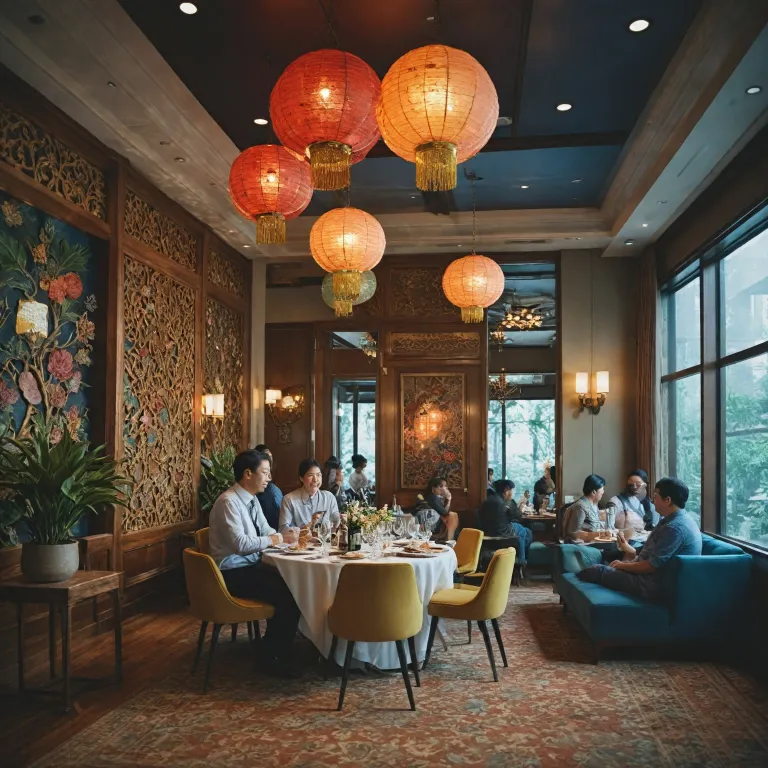
Asia’s dynamic MICE landscape: growth, innovation, and opportunity
The MICE industry in Asia is experiencing unprecedented momentum, driven by a surge in demand for business events, conferences, and exhibitions. Cities such as Kuala Lumpur, Singapore, Hong Kong, and Bangkok have emerged as leading MICE destinations, offering state-of-the-art convention centres and versatile event spaces. This growth is underpinned by the region’s robust infrastructure, diverse cultural appeal, and the strategic vision of tourism boards and industry stakeholders.
International MICE events in Asia, including flagship gatherings like ITB Asia, MICE Show Asia, and IT&CMA and CTW APAC, attract thousands of professionals from the corporate travel, tourism, and business events sectors. These events serve as vital platforms for networking, knowledge exchange, and showcasing the latest trends in incentive travel, exhibition management, and event technology. The integration of advanced digital tools, such as virtual conferencing and event management platforms, has further expanded the reach and impact of MICE events across Asia Pacific.
Malaysia, with Kuala Lumpur at its heart, continues to invest in world-class exhibition centres and convention venues, positioning itself as a hub for international conferences and business events. The region’s commitment to sustainability, innovation, and hybrid event formats ensures that Asia remains at the forefront of the global MICE industry. Organisers, event agencies, and tourism offices are leveraging these strengths to create memorable experiences for delegates and drive economic growth throughout the Asia Pacific.
Key players and flagship events shaping the MICE industry in Asia
Asia’s MICE sector is defined by a constellation of influential organisers and landmark events that set benchmarks for excellence and innovation. MICE Show Asia, for example, is renowned for bringing together industry professionals to foster collaboration and build the future of MICE in the region. Similarly, IT&CMA and CTW APAC stands as the leading international MICE and corporate travel event, drawing participants from across the Asia Pacific and beyond.
Other notable events, such as the Taipei Game Show and Miku Expo, highlight the diversity of the MICE landscape, incorporating elements of gaming, technology, and entertainment into the traditional business event format. These events not only attract international audiences but also stimulate local economies and promote regional tourism. The inclusion of hybrid event models, combining in-person and virtual experiences, has become a hallmark of leading MICE events in Asia, ensuring accessibility and engagement for a global audience.
Singapore and Hong Kong continue to lead as premier destinations for international MICE events, offering cutting-edge convention exhibition facilities and seamless connectivity. The role of government tourism boards, industry associations, and corporate sponsors is pivotal in supporting the growth of the MICE industry, facilitating partnerships, and driving innovation.
Emerging trends: hybrid formats, technology integration, and sustainability
The evolution of MICE events in Asia is marked by a strong emphasis on hybrid formats, technological innovation, and sustainable practices. Organisers are increasingly adopting virtual conferencing software, augmented reality, and artificial intelligence to enhance attendee engagement and streamline event management. This shift is particularly evident in international MICE events, where hybrid models enable participation from delegates worldwide, regardless of geographical constraints.
Sustainability has become a core focus for the MICE industry in Asia, with event planners prioritising eco-friendly practices, waste reduction, and energy-efficient venues. The integration of green initiatives is not only a response to global environmental concerns but also a competitive differentiator for destinations and venues. Leading MICE events, such as those held in Kuala Lumpur and Singapore, showcase best practices in sustainable event planning and execution.
As the Asia Pacific region continues to innovate, the role of technology in shaping the future of business events cannot be overstated. From interactive exhibition booths to immersive virtual reality experiences, the MICE industry is leveraging digital tools to create impactful and memorable events.
Strategic destinations: Malaysia, Singapore, Thailand, and Hong Kong
Malaysia’s capital, Kuala Lumpur, stands out as a leading MICE destination, boasting a portfolio of modern convention centres, flexible event spaces, and a vibrant hospitality sector. The city’s strategic location in Southeast Asia, coupled with its commitment to service excellence, makes it a preferred choice for international conferences, exhibitions, and incentive travel programmes. Singapore, with its world-renowned infrastructure and connectivity, continues to attract high-profile business events and conventions from across the globe.
Thailand and Hong Kong are also key players in the Asia Pacific MICE landscape, offering a blend of cultural richness, advanced facilities, and dynamic tourism offerings. Event venues in these cities are designed to accommodate a wide range of meetings, exhibitions, and corporate gatherings, supported by experienced event agencies and local tourism offices. The synergy between destinations, venues, and industry partners is instrumental in delivering seamless and impactful MICE experiences.
For organisers and planners seeking to maximise the value of their events, understanding the unique strengths of each destination is essential. The diversity of the Asia Pacific region ensures that there is a suitable venue for every type of business event, from large-scale conventions to intimate corporate meetings.
Business impact: economic growth, professional development, and regional collaboration
The MICE industry in Asia plays a vital role in driving economic growth, fostering professional development, and promoting regional collaboration. Business events generate significant revenue for host cities, supporting local hospitality, tourism, and service sectors. The influx of international delegates and exhibitors contributes to job creation, infrastructure investment, and the global visibility of Asia Pacific destinations.
Professional development is a key objective of MICE events, with conferences, workshops, and seminars providing opportunities for learning, skill enhancement, and knowledge sharing. Industry associations and corporate sponsors collaborate to deliver high-quality educational content, tailored to the needs of event organisers, agencies, and tourism offices. The focus on regional and international collaboration is reflected in the diverse participation at leading MICE events, strengthening industry networks and fostering innovation.
As highlighted by experts, “Benefits include networking opportunities, exposure to industry trends, professional development, and potential business collaborations.” This underscores the multifaceted value of MICE events in Asia, extending beyond immediate business outcomes to long-term industry advancement and partnership building. The continued growth of the MICE sector is a testament to the region’s resilience, adaptability, and forward-thinking approach.
Best practices for organisers: planning, participation, and maximising ROI
Successful participation in MICE events in Asia requires meticulous planning, strategic engagement, and a clear understanding of event objectives. Organisers are advised to verify event dates and venues, book accommodations early due to high demand, and familiarise themselves with local customs and regulations. Effective transportation planning is also essential for navigating host cities efficiently and ensuring a seamless delegate experience.
Participation options vary by event, with opportunities for attendees, exhibitors, and speakers to engage based on their professional goals. As noted by industry leaders, “Participation can be through registration as an attendee, exhibitor, or speaker, depending on the event's guidelines and your professional objectives.” Leveraging event management platforms and digital tools can enhance the efficiency of planning and execution, while also providing valuable data for post-event analysis and ROI measurement.
Organisers are encouraged to prioritise sustainability, inclusivity, and innovation in their event strategies, aligning with the evolving expectations of delegates and stakeholders. The adoption of hybrid event formats and advanced technologies is instrumental in expanding reach and delivering value to diverse audiences. By embracing best practices and staying informed about industry trends, event professionals can maximise the impact of their MICE activities in Asia.
Future outlook: the evolving role of technology and regional leadership in MICE Asia
The future of MICE events in Asia is shaped by rapid technological advancement, evolving delegate expectations, and a strong focus on regional leadership. The integration of artificial intelligence, virtual reality, and data analytics is transforming the way business events are designed, delivered, and evaluated. Asia Pacific’s leading MICE destinations are at the forefront of these innovations, setting new standards for excellence and engagement.
Hybrid events, combining in-person and virtual elements, are expected to remain a dominant trend, offering flexibility and accessibility to a global audience. The emphasis on sustainability and local content will continue to influence event planning, with organisers seeking to create meaningful and responsible experiences. As the region’s infrastructure and expertise grow, Asia is poised to reinforce its position as a global leader in the MICE industry.
For event organisers, agencies, and tourism offices, staying ahead of these trends is essential for maintaining competitiveness and delivering value to clients and stakeholders. The Asia Pacific MICE industry’s commitment to innovation, collaboration, and professional development ensures a vibrant and resilient future for business events across the region.
Key statistics: MICE industry growth and investment in Asia Pacific
- Projected annual growth rate of Asia Pacific real estate market through 2030: 7.6% (source: Expo Real Asia Pacific 2026)
- Estimated annual infrastructure investment required in Asia Pacific: 1.7 trillion USD (source: Expo Real Asia Pacific 2026)
Frequently asked questions about media MICE events in Asia
What is MICE?
MICE stands for Meetings, Incentives, Conferences, and Exhibitions, representing a segment of the tourism industry dedicated to business events and activities.
Why is Asia a popular destination for MICE events?
Asia offers diverse cultures, advanced infrastructure, and rapidly growing economies, making it an attractive destination for international business events.
Are there virtual options for MICE events in Asia?
Many MICE events now offer virtual components or hybrid formats to accommodate a broader audience and adapt to changing circumstances.
Trusted sources for MICE industry insights in Asia
- https://www.ttgasia.com
- https://www.itb-asia.com
- https://www.miceshowasia.com