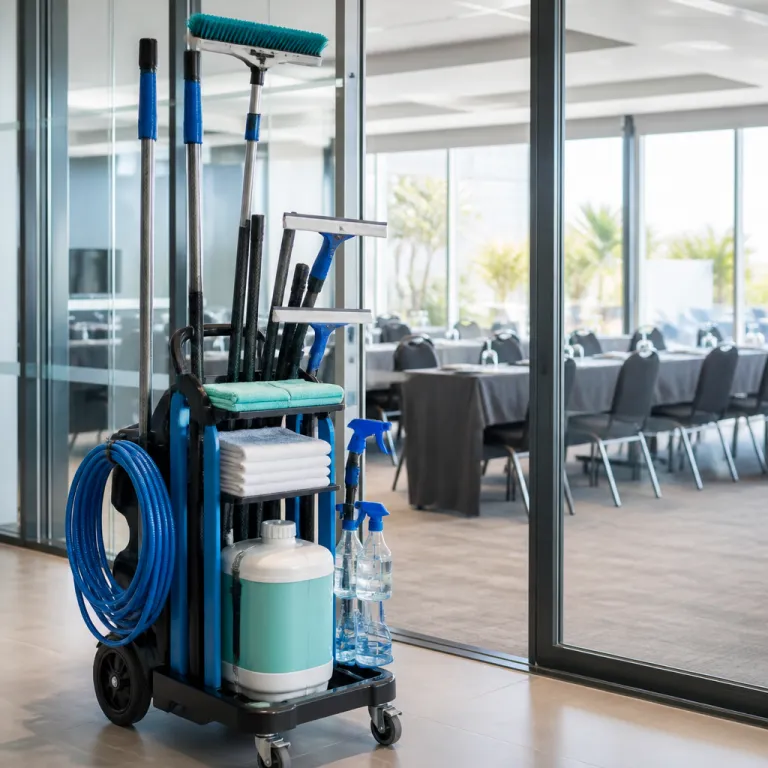
Commercial window cleaning for MICE venues in Australia: how to turn glass into a production asset
Why window cleaning strategy matters for MICE ready hospitality venues
For any hospitality business competing in the MICE segment, the condition of every pane of glass is now part of the event production toolkit. When you position your venue for high value congresses and B2B meetings, working with specialist commercial window cleaners in Australia becomes as strategic as AV or catering. Clean façades and spotless windows shape first impressions in seconds, then influence how delegates perceive brand value, health standards, and operational excellence.
Professional cleaning services go far beyond aesthetics, because they directly support health and safety compliance for large scale events. As technical directors and MICE leads refine operational planning, they increasingly treat commercial window maintenance as a scheduled production task, aligned with build up, rehearsal, and derig timelines. This mindset allows you to integrate glass and façade care into your broader cleaning framework, with clear KPIs for light levels, guest satisfaction, and photo ready spaces.
For destinations and venues in Australia, this shift is reinforced by specialist providers that focus on commercial window projects for complex properties. Their teams use water fed pole equipment, rope access, and elevated platforms to clean windows safely at scale, which is critical when you manage congress centres, convention hotels, or multi tower business façades. When you align these professional partners with your event calendar, you reduce risk, protect your brand, and create a more compelling canvas for media and content production.
Aligning commercial window cleaning with event operational planning
Operational planning for media heavy MICE projects requires precise sequencing of every cleaning activity, from back of house corridors to each commercial window line. When you map your critical path for a congress or incentive, you should integrate external and internal glass cleaning as a defined workstream with its own milestones. This means assigning time slots for window crews between exhibition build phases, rehearsals, and VIP arrivals, so that no lift, scaffold, or water fed system interferes with delegate flows.
Event planners who manage large venues in NSW, QLD, or Perth often coordinate several service providers, including a general cleaning company and a specialist window contractor. A practical guide for your team is to treat window cleaning as a technical service, with terms and conditions similar to rigging or lighting, including ABN verification, insurance, and health and safety documentation. By doing so, you can appoint the right partners, define which types of glass surfaces they will handle, and ensure that both guestroom wings and commercial façades are addressed before cameras and press arrive.
Food and networking zones require particular attention, because natural light and reflections influence how F&B experiences are perceived by customers and delegates. When you plan buffet layouts or energy break concepts, align your glass cleaning schedule with your culinary strategy, just as you would align it with a delegate energy menu that prioritises performance over square metre sales, as analysed in this insight on rethinking the ballroom buffet. This integrated approach ensures that every clean glass surface supports photography, sponsor branding, and social media content, while also protecting food areas from dust or residue generated during late stage maintenance operations.
Choosing and contracting window cleaning partners for high stakes events
When you select commercial window cleaning companies in Australia, your procurement criteria should reflect the realities of MICE operations rather than generic office routines. Start by checking that each provider holds a valid ABN, carries appropriate liability cover, and can provide method statements for rope access, elevated platforms, and water fed systems. These documents are essential for your venue’s health and safety file, especially when you host international congresses with strict compliance expectations.
Experienced event planners also evaluate whether a window contractor can scale from small business meetings to citywide congresses without compromising quality. Some providers specialise in high rise commercial projects across multiple states, while others focus on dense urban business districts or mixed use hospitality complexes. When you engage such cleaning services, insist on clear terms and conditions that specify service windows, access routes, noise limits, and contingency plans for weather or last minute schedule changes.
Guest perception is not only visual; it is also sensory, influenced by light, reflections, and how clean surfaces interact with sound and scent in a room. Research on scent, sound, and light calibration in conference recall shows how environmental factors affect memory and engagement, which reinforces the value of spotless glass for plenary and breakout spaces. When your professional window partners understand these experiential goals, they can adjust their techniques, from streak free squeegee work to eco friendly solutions, so that your lighting designers and scenographers have a stable, predictable canvas for their creative work.
Technical methods, eco standards, and risk management for venue façades
Modern commercial window cleaners in Australia rely on a mix of rope access, elevated work platforms, and water fed pole equipment to service tall venues safely. For MICE properties with complex glass architecture, such as multi storey atriums or curved façades, these methods allow teams to reach every panel without disrupting ground level event logistics. The choice of technique depends on the types of window surfaces, wind exposure, and proximity to public areas where delegates and customers circulate.
Many Australian providers now use eco friendly cleaning solutions that minimise residue and odour. This is particularly relevant for hospitality operations where plenary rooms, foyers, and guestroom corridors must be reoccupied quickly after cleaning. As one industry FAQ states, “Are eco-friendly cleaning solutions effective? Yes, they effectively clean windows while being environmentally responsible.”
Risk management goes beyond equipment and chemicals, because it also covers how cleaning services are sequenced around event production. Your operational plan should specify when façade work on Perth properties or CBD towers in NSW and QLD can occur, which access points are reserved for each contractor, and how emergency procedures integrate with your overall health and safety framework. By aligning these details with your AV and infrastructure upgrades, such as the Wi Fi 7 and LED standards discussed in this article on convention center upgrades, you create a coherent technical ecosystem where every supplier, from window cleaning company to rigging contractor, operates under shared protocols.
From façade to feed : media, sponsorship, and delegate perception
For MICE professionals, the way a venue’s windows appear on camera is now as important as how they look to the naked eye. When you host media heavy events, every commercial window becomes a potential backdrop for interviews, sponsor logos, or social content, which means any streak or dust patch can undermine brand messaging. Integrating professional glass and façade cleaning into your media planning ensures that external and internal surfaces are ready for both broadcast and user generated content.
Destinations in Perth, Brisbane, Sydney, and other hubs often work with specialist commercial cleaners to provide consistent results across portfolios of hotels and convention centres. These partners understand that customers in the MICE segment expect more than basic residential standards, because they measure value through photos, livestreams, and sponsor reports. When you brief your window contractor, specify which zones are priority for cameras, which business window lines frame keynote stages, and how often cleaning should occur during multi day events.
Commercial cleaning contracts can also include clauses for rapid response, allowing a crew to return between sessions if unexpected weather or construction dust affects key views. This is particularly useful for venues overlooking harbours, rivers, or city skylines, where windows are central to the event narrative and sponsor storytelling. By treating window cleaners as part of your extended production team, you align their work with your content calendar, sponsorship obligations, and guest journey, ensuring that every reflection supports the story you want delegates to share.
Practical playbook for planners : integrating window cleaning into MICE workflows
To operationalise all these concepts, event planners and hotel sales teams need a simple, repeatable framework for working with commercial window cleaning specialists in Australia. Start by mapping your venue into zones: external façades, guestroom corridors, lobby and foyer glass, and high touch areas such as sky bridges or glass lifts. For each zone, define cleaning frequencies aligned with event types, from small board meetings to large scale congresses, and specify whether general cleaning services or specialist window crews are responsible.
Next, build a supplier matrix that lists preferred providers by state, such as façade cleaning specialists for Western Australia or dedicated window teams in NSW and QLD. Include each company’s ABN, contact details, equipment capabilities, and any constraints related to health and safety or access. Your terms and conditions should clarify how to appoint these partners, how they will provide risk assessments, and how they coordinate with security, AV, and catering teams during tight build schedules.
Finally, integrate these details into your event guide and client proposals, so that customers understand how seriously you treat environmental quality and visual standards. Offer to arrange a professional window inspection before major events, and where appropriate, invite clients to receive free quotations from your vetted partners. By embedding window cleaning expertise into your operational planning, you transform a routine facility task into a visible proof point of quality, reliability, and attention to detail that differentiates your destination in a competitive MICE marketplace.
Key figures and trends in Australian commercial window cleaning for MICE venues
- Across Australia, a broad range of dedicated commercial window cleaning companies operate in major cities and regional hubs, illustrating a mature specialist market that MICE venues can tap for tailored services.
- Professional window cleaning improves building appearance, increases natural light, and supports safety compliance, which directly contributes to delegate comfort and productivity during long conference days.
- Industry guidance indicates that commercial windows in urban or coastal locations are often cleaned monthly, while lower exposure sites can adopt quarterly cycles, allowing planners to align glass maintenance schedules with peak event seasons.
- There is a clear trend toward increased use of eco friendly cleaning solutions and advanced equipment such as water fed poles, which reduce environmental impact while maintaining high standards for commercial façades.
- Specialist providers in Perth, Sydney, and Brisbane commonly combine rope access, elevated platforms, and ground based systems, enabling them to service complex venues without disrupting event operations or compromising health and safety obligations.
FAQ : commercial window cleaning for MICE and hospitality operations
What are the benefits of professional window cleaning for MICE venues ?
Professional window cleaning improves building appearance, increases natural light, and supports safety compliance, which are all critical for high value meetings and congresses. For hospitality properties, this translates into brighter foyers, more attractive breakout spaces, and better photo opportunities for sponsors and media. Clean glass also supports guest wellbeing by reducing visual clutter and enhancing views.
How often should commercial windows be cleaned in event focused properties ?
The ideal frequency depends on location, exposure, and event intensity, but many MICE venues benefit from monthly or quarterly cycles. Urban hotels near traffic or construction, as well as waterfront convention centres, usually require more frequent cleaning to manage pollution and salt. Planners should align these cycles with peak event periods, ensuring façades and key business window lines are pristine before major congresses.
Are eco friendly cleaning solutions effective for large glass façades ?
Eco friendly products used by professional window cleaners are formulated to remove dirt and residue without leaving streaks or strong odours. They are effective for both commercial façades and guestroom corridors, making them suitable for mixed use hospitality complexes. These solutions also support corporate sustainability commitments, which is increasingly important for international association events.
Which methods are most suitable for tall convention hotels and centers ?
Tall MICE venues typically rely on a combination of rope access, elevated work platforms, and water fed pole systems. Rope access is well suited to complex architecture, while platforms suit large, flat façades with good ground access. Water fed poles are efficient for lower levels and atriums, allowing cleaning services to operate quickly with minimal disruption to delegates.
How should event planners contract and brief window cleaning companies ?
Planners should verify each company’s ABN, insurance, and health and safety documentation, then define clear terms and conditions around timing, access, and priority zones. Briefs should specify event dates, media sensitive areas, and any restrictions related to noise or equipment movement. Including these details in operational plans ensures that window cleaners support, rather than disrupt, the overall event production schedule.