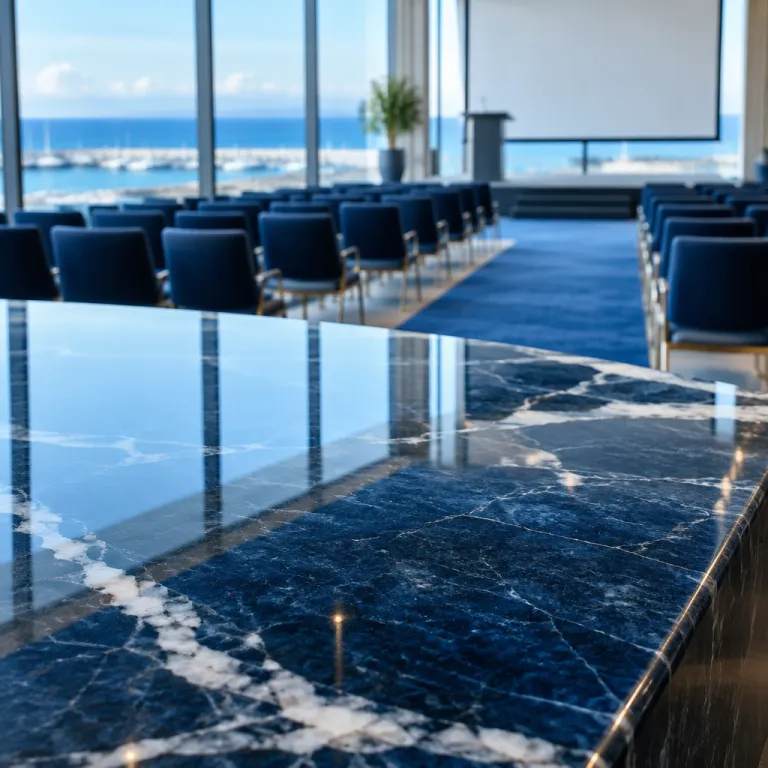
Why stone care has become a strategic MICE asset in australia zealand
For high end MICE hotels in Australia and New Zealand, stone care is no longer a back of house topic. The way marble lobbies, granite pre function areas, and sandstone terraces are kept clean directly shapes how corporate clients perceive the venue’s professionalism and service quality. In this context, stone cleaning services and wider commercial cleaning operations in Australia and New Zealand must align with brand positioning, guest expectations, and strict health safety standards.
Event organisers and MICE management teams now evaluate cleaning services as carefully as they assess AV, catering, or room inventory. They expect a cleaning company to understand complex cleaning requirements for stone, from slip resistance in high traffic foyers to stain removal after cocktail receptions. This is why leading hotels in the city of Sydney or in regional convention hubs increasingly contract specialised commercial cleaners that can provide tailored cleaning for stone, glass, and carpets as an integrated property services package.
For these venues, the main SEO topic — stone cleaning services commercial cleaning australia new zealand — translates into a concrete operational question; how to maintain stone surfaces at consistently high quality while events run back to back. The answer lies in combining eco friendly cleaning products, advanced cleaning equipment, and trained cleaners who understand both the chemistry of stone and the rhythm of MICE business. When the cleaning industry delivers this level of expertise, it becomes a genuine revenue enabler rather than a simple cost centre.
Designing stone cleaning strategies for hotels and convention centers in city sydney
In the city of Sydney, flagship convention hotels and waterfront venues rely on expansive stone surfaces to create a sense of arrival. These properties must keep every lobby, porte cochère, and outdoor plaza impeccably clean while handling intense delegate flows during large congresses. A generic cleaning service is not enough; they need high quality stone care integrated into broader commercial cleaning strategies that respect both aesthetics and safety.
Successful venues treat stone maintenance as a long term asset management project rather than an occasional deep clean. They work with a cleaning company or a group of cleaning companies that can structure multi year cleaning contracts, including periodic polishing, sealing, and restoration of marble, terrazzo, and engineered stone. This approach turns stone cleaning services and other property services into a predictable investment that protects capital expenditure on design while supporting premium room and meeting rates.
For MICE planners, the difference is tangible when they conduct site inspections across Australia and New Zealand. A hotel that partners with expert commercial cleaners can present a lobby floor that looks new, even after thousands of delegates have crossed it during a medical congress. At one waterfront convention hotel in Sydney, for example, internal benchmarking over a two year period showed that working with a specialist stone care provider reduced estimated lobby restoration spend by roughly one third, while guest cleanliness scores on post event surveys rose by almost half a point on a five point scale. This is the same logic that drives major convention infrastructure projects, such as the headquarters hotel model described in this analysis of a city funded convention hotel, where long term asset value and operational efficiency are tightly linked.
Aligning cleaning management with MICE operations and revenue goals
For hotel sales and revenue management teams, stone care and commercial cleaning are directly connected to event profitability. When cleaning services are poorly scheduled, room turns slow down, pre function spaces remain blocked, and F&B teams lose valuable set up time. When cleaning management is integrated into the event operations plan, the same cleaners help accelerate turnovers and protect both guest satisfaction and ancillary revenue.
Leading MICE hotels in Australia and New Zealand now involve their cleaning company or in house cleaning group in pre event briefings. They define cleaning requirements for each segment — pharmaceutical congresses, incentive groups, association meetings — and translate them into tailored cleaning schedules and cleaning contracts. This collaboration ensures that commercial cleaning teams know when to prioritise stone floor care in the main foyer, when to focus on back of house corridors, and when friendly cleaning staff must be almost invisible during high profile plenary sessions.
Financially, this alignment also changes how general managers view the cleaning industry. Instead of negotiating only on hourly rates, they measure the impact of high quality cleaning solutions on repeat business, delegate satisfaction scores, and the ability to host overlapping events. A similar shift in mindset can be seen in revenue strategies that treat group attrition as an optimisation lever rather than a loss, as explained in this article on a forecasting model for group wash factors. In both cases, data driven management turns operational details like stone cleaning into strategic tools.
Eco friendly stone cleaning as a differentiator for MICE clients
Corporate clients booking large congresses increasingly ask detailed questions about eco friendly practices, including how venues clean stone floors, bathrooms, and outdoor terraces. For hotels and convention centers in Australia and New Zealand, this means that cleaning products, cleaning equipment, and waste water management must align with broader ESG commitments. A venue that can demonstrate eco friendly stone cleaning services gains a clear advantage in competitive RFP processes.
Specialised commercial cleaners now offer cleaning solutions that minimise harsh chemicals while still delivering high quality results on marble, limestone, and granite. These commercial cleaning companies use microfibre systems, low water machines, and pH balanced cleaning products that protect both stone and staff health safety. For MICE organisers, this level of care reassures them that their events will not compromise corporate sustainability goals, especially when delegates are highly sensitive to environmental messaging.
In practice, this eco focus also improves the guest experience in every city, from the city of Sydney to secondary destinations across australia zealand. Stone surfaces that are cleaned with appropriate eco friendly methods retain their natural sheen longer and require less aggressive restoration, which supports long term property services budgets. For venues that want to position themselves as thought leaders in sustainable congress hosting, case studies such as this analysis of a veterinary convention redefining venue expectations show how operational details, including cleaning, can reinforce a destination’s narrative.
Operational best practices for stone cleaning in high traffic MICE environments
High traffic MICE environments place extreme pressure on stone surfaces, especially in registration zones, exhibition corridors, and banquet pre function areas. To maintain a consistently clean appearance, venues must combine daily maintenance, periodic deep cleaning, and scheduled restoration into one coherent service plan. This plan should be co designed by the hotel’s facilities management, the cleaning company, and the commercial cleaners who work on the floor every day.
Daily routines typically include dust mopping with appropriate pads, spot treatment of spills, and quick interventions after coffee breaks to prevent staining on porous stone. Weekly or monthly cycles may involve machine scrubbing with specialised cleaning equipment and carefully selected cleaning products that respect the stone’s finish. Over longer cycles, property services teams schedule honing or polishing to remove micro scratches, always coordinating with event planners so that business disruption remains minimal.
For MICE professionals, the key is to ensure that cleaning services are written into operational playbooks, not treated as an afterthought. Clear cleaning requirements for each event type, from trade shows to board meetings, help cleaners prioritise areas that matter most for client perception. When management teams in Australia and New Zealand adopt this structured approach, stone cleaning services and broader commercial cleaning operations become a visible sign of operational excellence rather than a background activity.
Choosing and managing cleaning partners for MICE focused hotels and venues
Selecting the right cleaning company is a critical decision for any hotel or convention center that relies heavily on stone surfaces. Decision makers should evaluate not only price but also the company’s experience with stone cleaning services, its training programmes, and its approach to health safety. In markets such as Australia and New Zealand, where labour costs are high, the difference between average and high quality cleaning can significantly affect both guest satisfaction and asset longevity.
When assessing potential cleaning companies or a larger group that offers integrated property services, MICE venues should request detailed references from comparable hotels or convention centers. They should ask how the company manages long term cleaning contracts, what cleaning solutions it uses on different types of stone, and how it documents friendly cleaning practices that minimise disruption during events. Site visits to existing clients in the city of Sydney or other major cities can reveal whether commercial cleaners maintain consistent standards across multiple properties.
Ongoing performance management is equally important once a contract is signed. Regular joint inspections, KPI reviews, and feedback from event organisers help align cleaning services with evolving business needs and cleaning requirements. For MICE venues across australia zealand, this disciplined approach ensures that stone care, commercial cleaning, and overall service quality remain tightly connected, supporting both brand reputation and long term financial performance.
Key statistics on stone care, cleaning, and MICE venues
- According to Tourism Australia’s Business Events Snapshot (2019), business events generated several billion Australian dollars in direct expenditure in the most recent reported period, highlighting how operational details such as stone cleaning services and commercial cleaning directly support a high value segment.
- Guidance from the Green Building Council of Australia’s Green Star – Performance framework (2017) notes that buildings using certified eco friendly cleaning products can significantly reduce volatile organic compound exposure, which is highly relevant for MICE venues seeking to improve delegate health safety.
- Facility management benchmarks from ISS World Services’ ISS 2020 Vision reports (2012–2015) and similar global cleaning companies indicate that planned preventive maintenance on stone surfaces can extend refurbishment cycles by roughly one third or more, lowering long term property services costs for hotels and convention centers.
- Research from the International Association of Convention Centres (AIPC) in its Convention Centre Client Survey (2020) reports that a clear majority of venue clients now ask about sustainability practices, including cleaning solutions and waste management, when selecting a congress destination.
- Surveys by the Global Business Travel Association (GBTA) in the GBTA Meetings Outlook series (2018–2021) consistently show that venue cleanliness ranks among the top decision factors for corporate meeting planners, placing stone care and overall cleaning services on the same level as location and price.
FAQ about stone cleaning and commercial cleaning for MICE venues
How often should stone floors be deep cleaned in a busy convention hotel ?
In high traffic MICE properties, stone floors typically require daily maintenance and a machine based deep clean at least once per week in peak periods. Areas such as registration zones or main lobbies may need more frequent attention during large congresses. A long term maintenance plan, agreed with the cleaning company, helps balance appearance, cost, and stone longevity.
What makes eco friendly stone cleaning relevant for corporate clients ?
Corporate clients increasingly include sustainability criteria in their RFPs, and cleaning products are part of that evaluation. Eco friendly stone cleaning reduces chemical exposure for delegates and staff while supporting ESG reporting for both the venue and the client. It also helps protect stone surfaces, which aligns with long term property services strategies.
Can the same cleaners handle both stone care and general commercial cleaning ?
Yes, but they need specific training and appropriate cleaning equipment for different stone types and finishes. Many commercial cleaners in Australia and New Zealand now offer cross trained teams that manage both general cleaning and specialised stone care. This integrated approach improves efficiency and ensures consistent service quality across the property.
How should MICE venues evaluate potential cleaning partners ?
Venues should assess experience with similar hotels or convention centers, documented procedures for stone cleaning services, and compliance with health safety regulations. Site visits and references from existing clients in comparable city locations, such as the city of Sydney, provide valuable evidence of performance. Clear cleaning requirements and KPIs should then be built into the cleaning contracts.
What are the main risks of poor stone maintenance in MICE environments ?
Poor stone maintenance can lead to visible staining, loss of shine, and increased slip risks, all of which damage guest perception and may create liability issues. Over time, inadequate cleaning solutions or abrasive methods can also degrade the stone, forcing expensive restoration or replacement. For MICE venues, these risks directly affect both brand reputation and long term business performance.
Checklist and KPIs for stone cleaning in MICE venues
To turn stone care into a measurable management tool, MICE focused hotels and convention centers in Australia and New Zealand can use a concise checklist and KPI set when working with their cleaning company or in house team.
- Frequency targets: daily dust mopping of all stone public areas; spot treatment of spills within 10 minutes; machine scrubbing of main lobbies at least twice weekly in peak season; scheduled honing or polishing every 6–12 months depending on traffic.
- Product and equipment standards: use pH neutral or stone specific cleaning products; avoid highly acidic or alkaline chemicals on marble and limestone; specify microfibre mops and pads; require low noise, low water machines for night cleaning in guest sensitive zones.
- Safety and compliance: documented slip resistance testing in high traffic foyers; visible wet floor signage during cleaning; staff training on chemical handling and personal protective equipment; incident reporting procedures agreed with the cleaning company.
- Appearance and guest perception: target guest cleanliness scores of at least 4.5 out of 5 in post event surveys; conduct weekly visual inspections of stone surfaces with the commercial cleaners; photograph key areas quarterly to track wear and restoration needs.
- Sustainability indicators: percentage of eco certified cleaning products used on stone; water consumption per square metre of stone cleaned; waste water disposal practices aligned with local regulations and venue ESG commitments.
- Contract and performance management: include response time SLAs for spill management; define acceptable downtime for stone restoration; review KPIs with the cleaning company at least quarterly and adjust cleaning requirements as event patterns change.
By embedding these practical checkpoints into cleaning contracts and operational playbooks, MICE venues can ensure that stone cleaning services, commercial cleaning, and broader property services consistently support revenue goals, guest satisfaction, and long term asset protection.